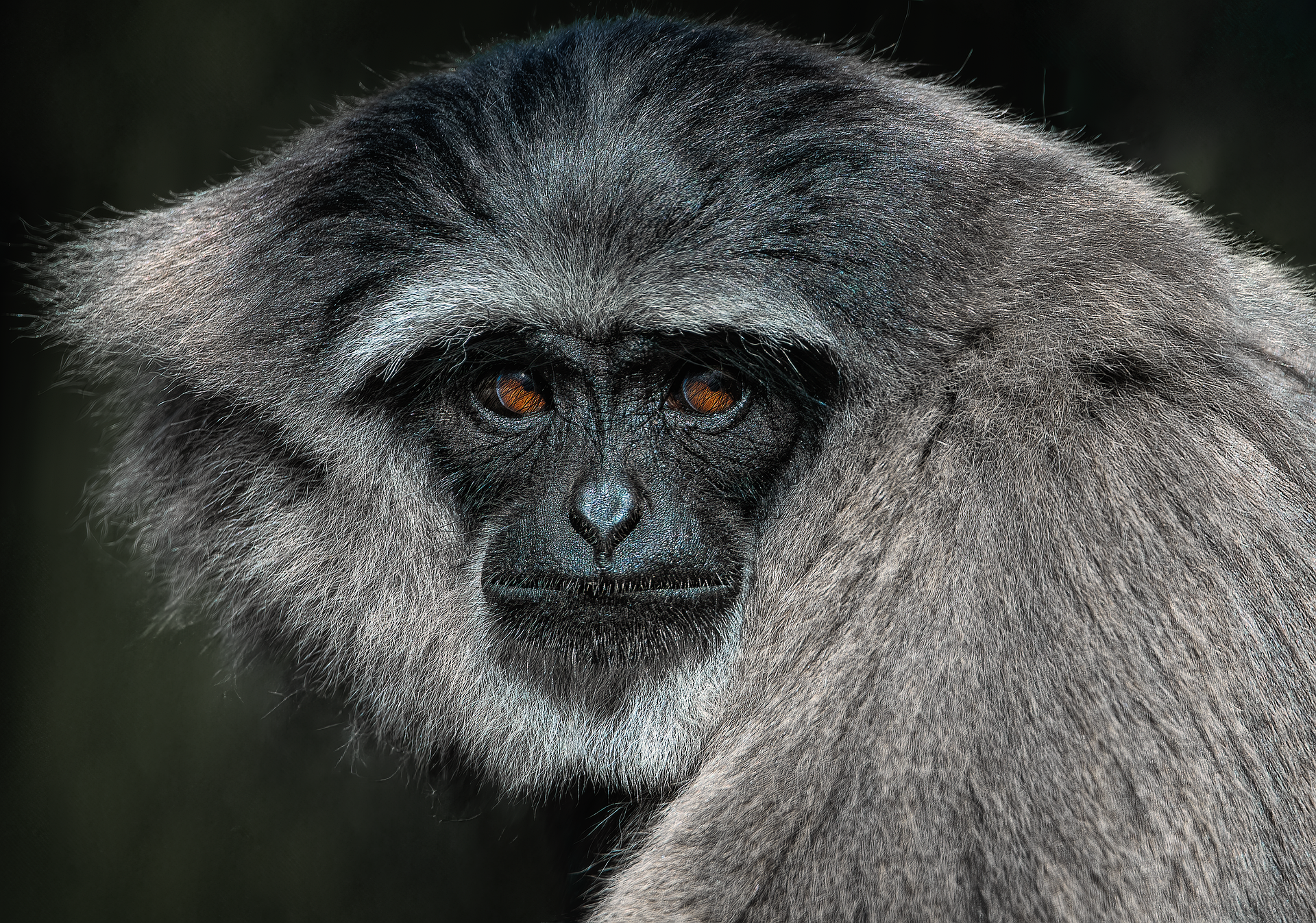
Gibbons in the News
Click on the image below to learn more:
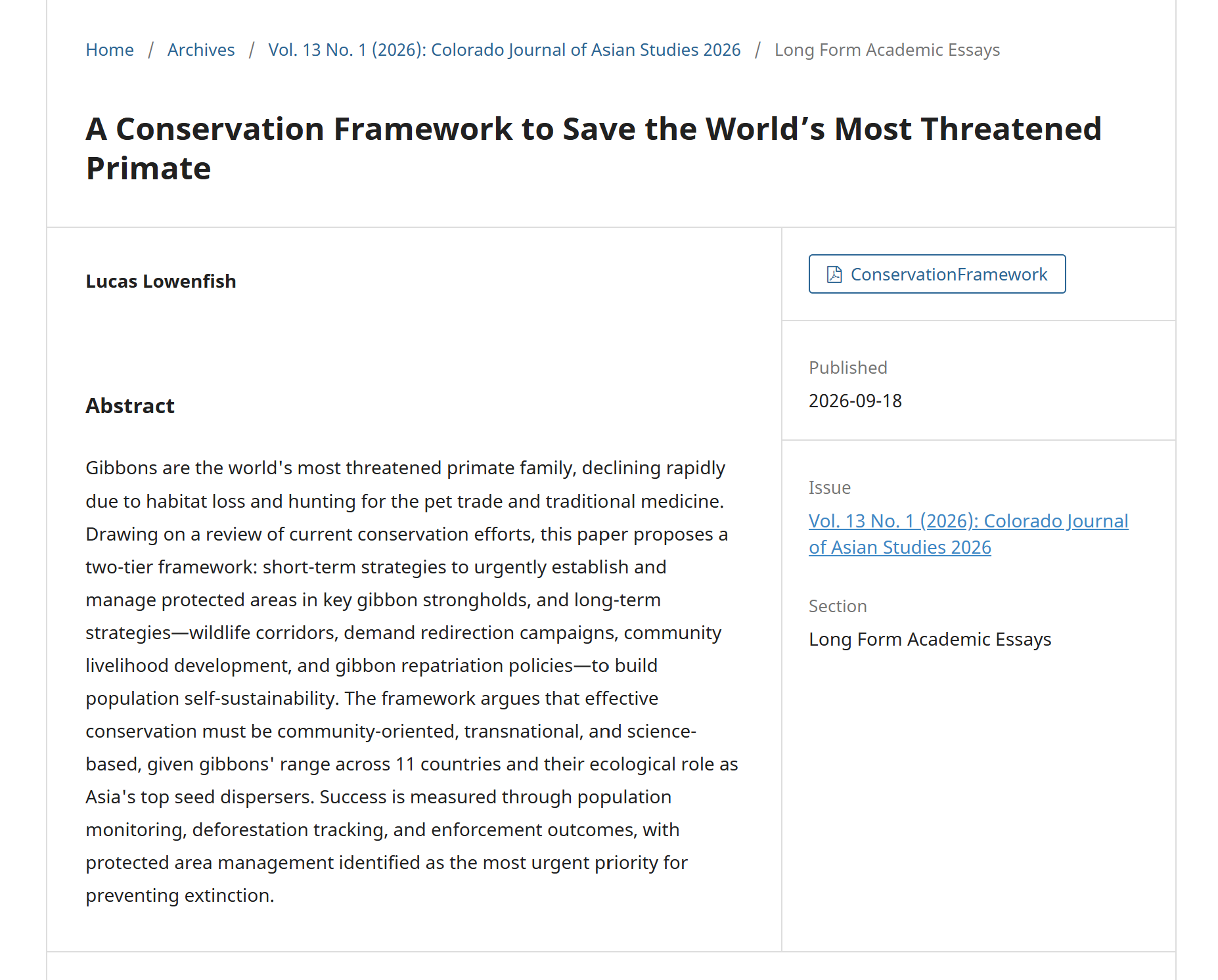
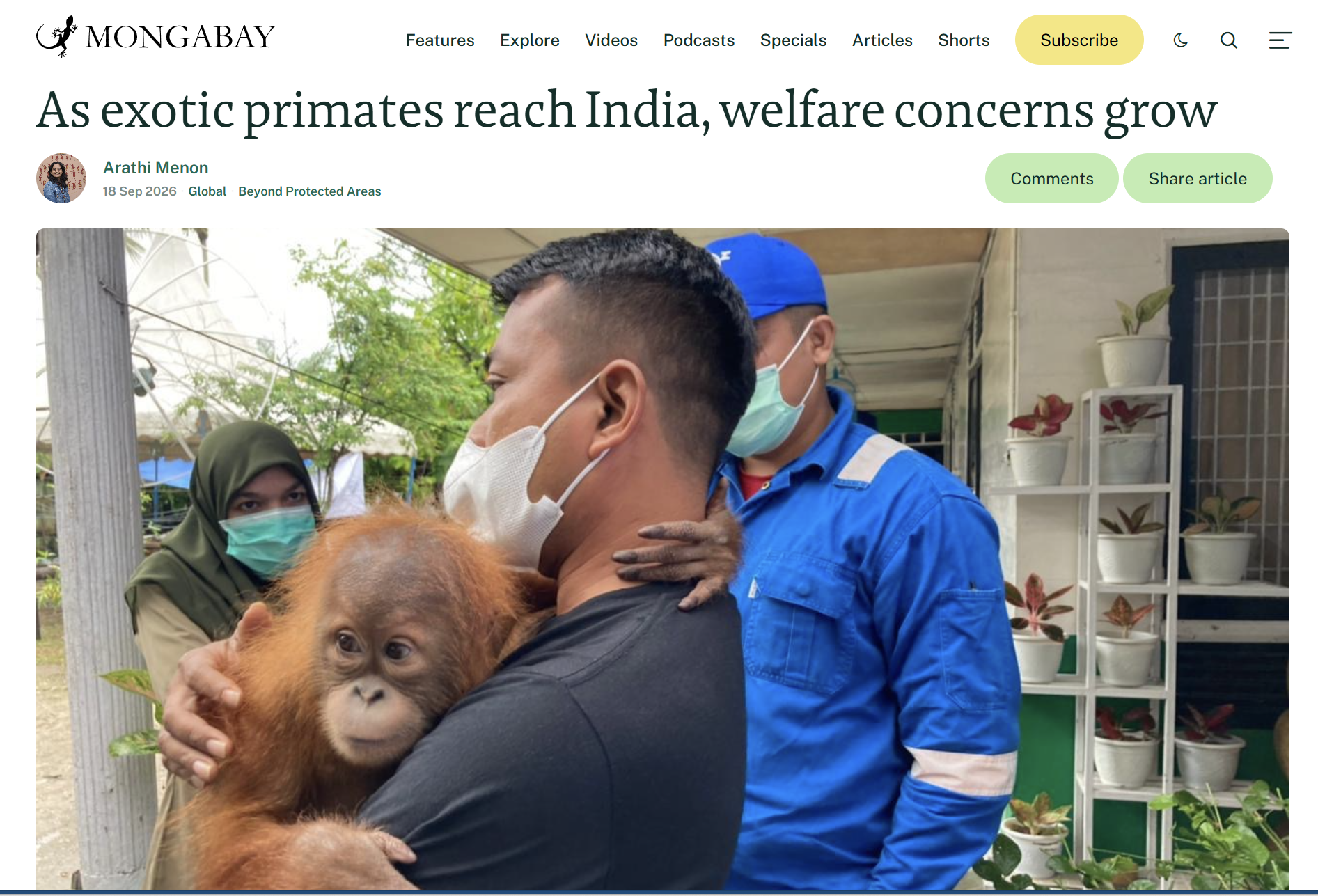
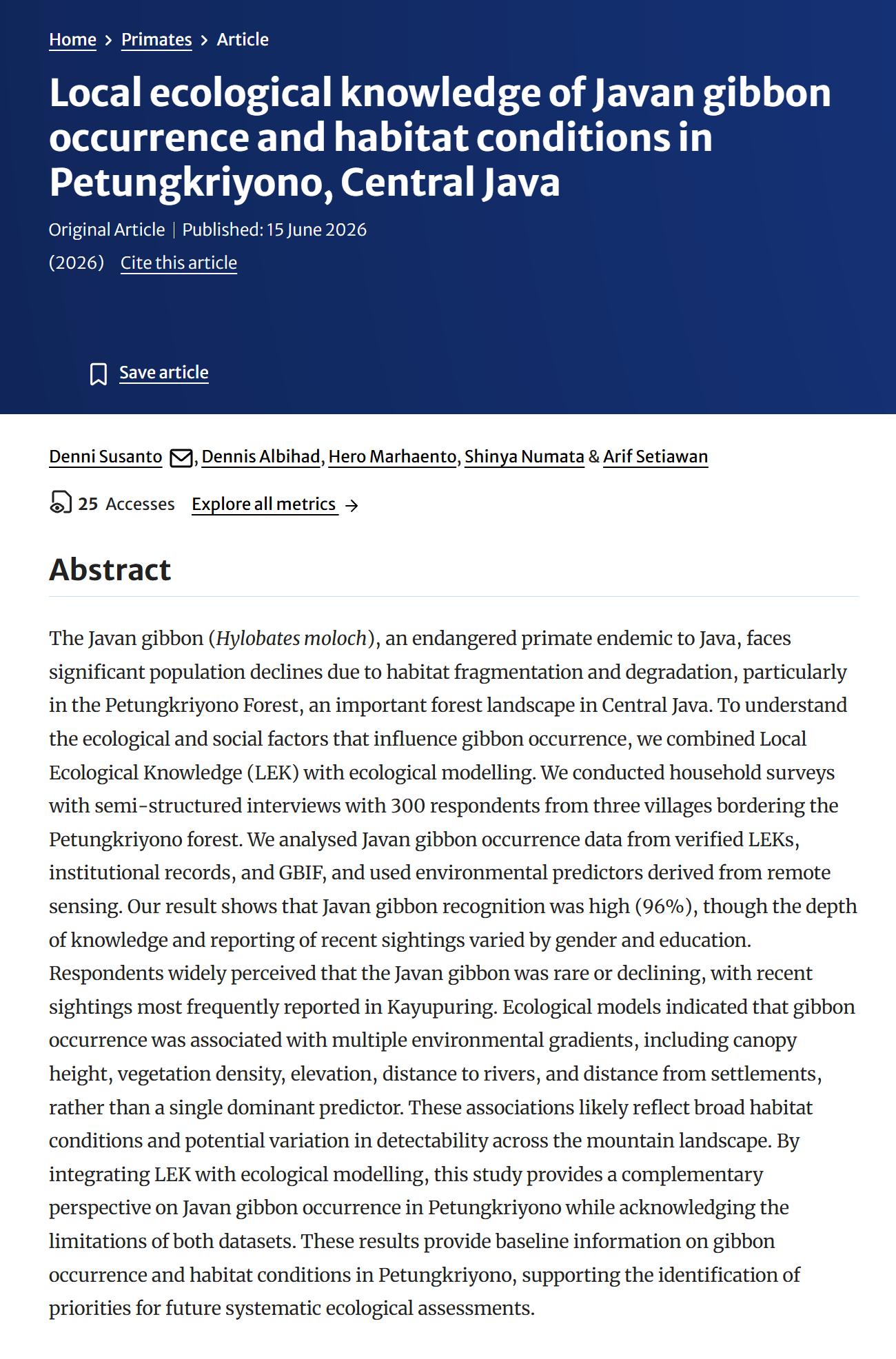
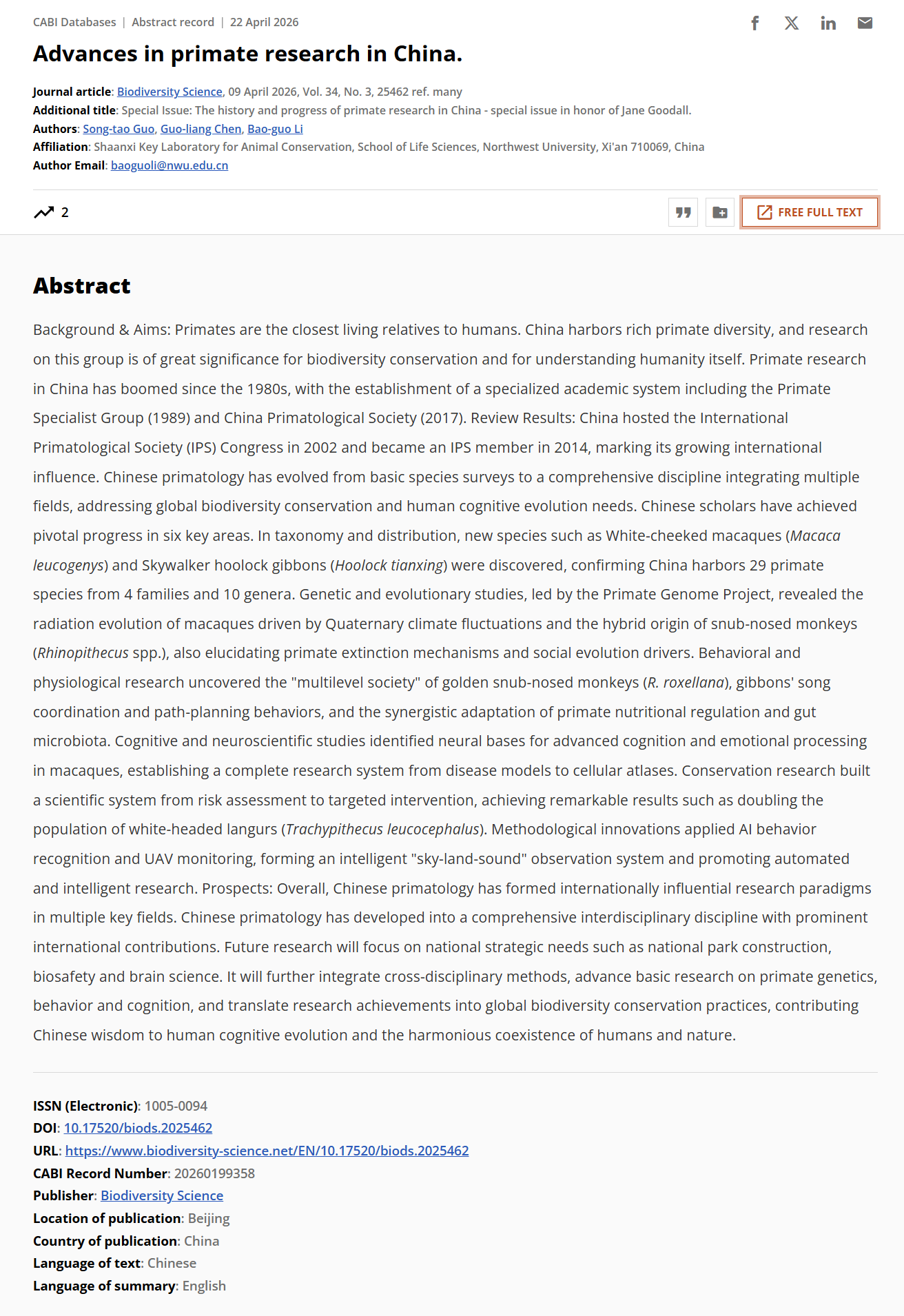
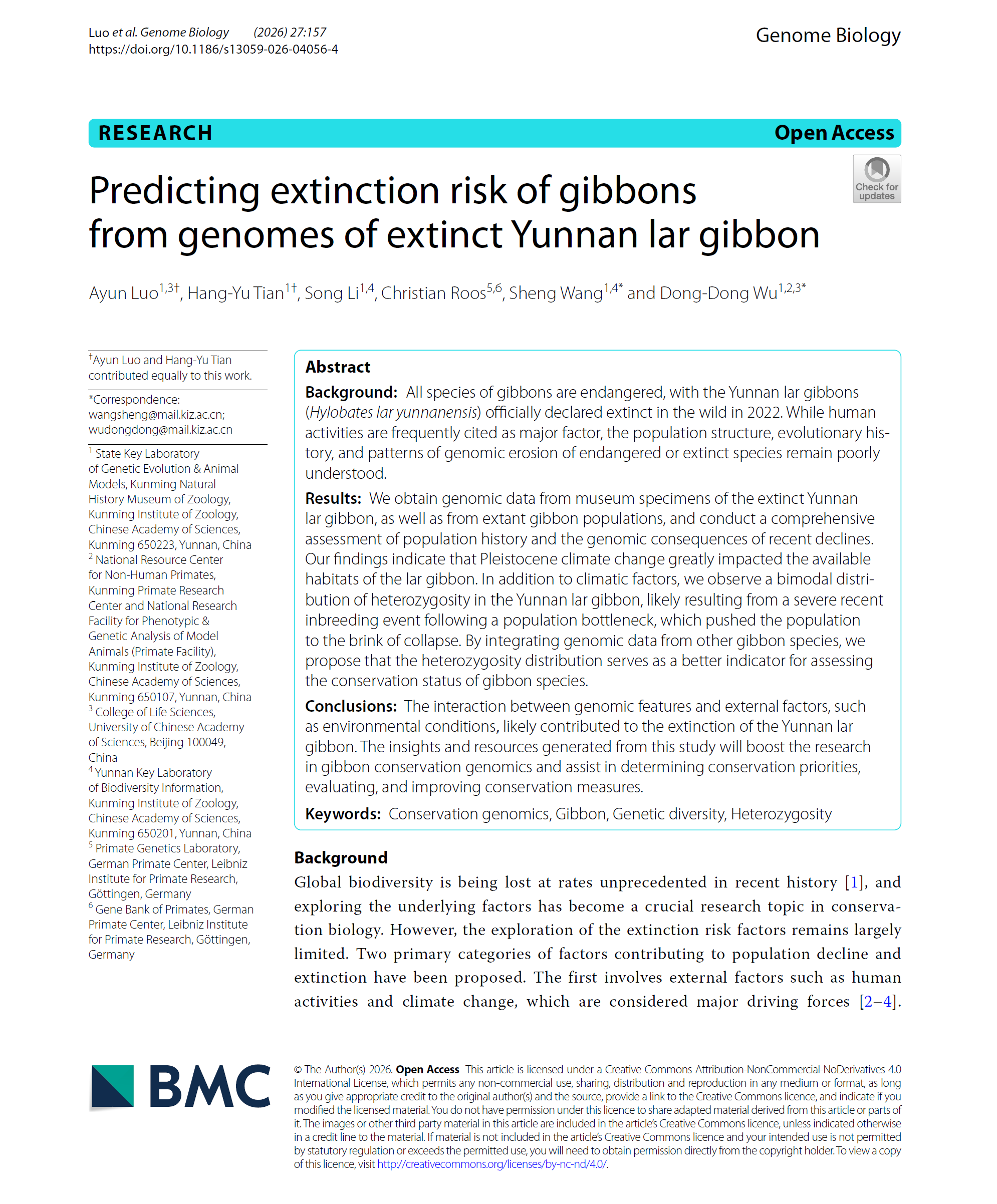
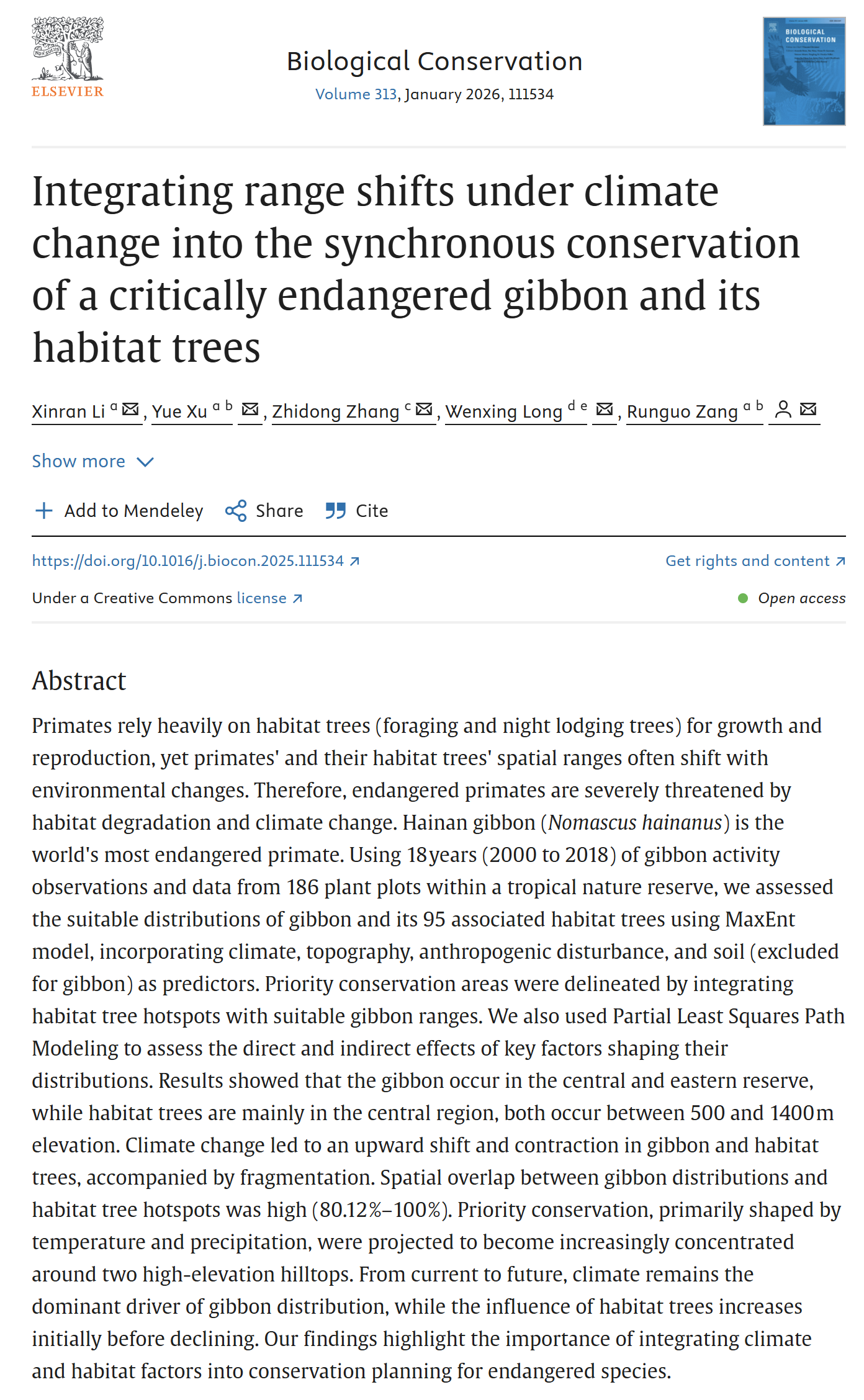
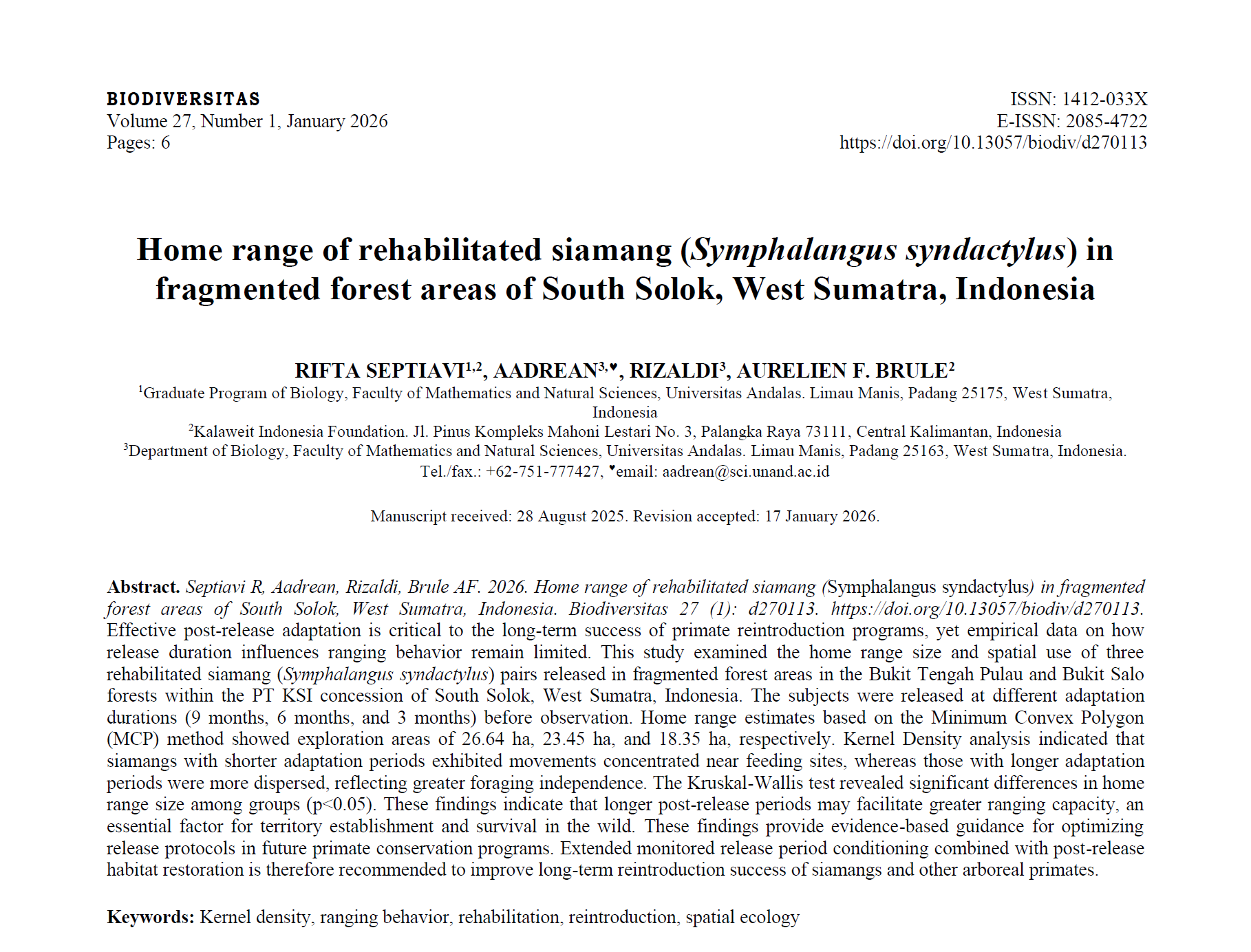
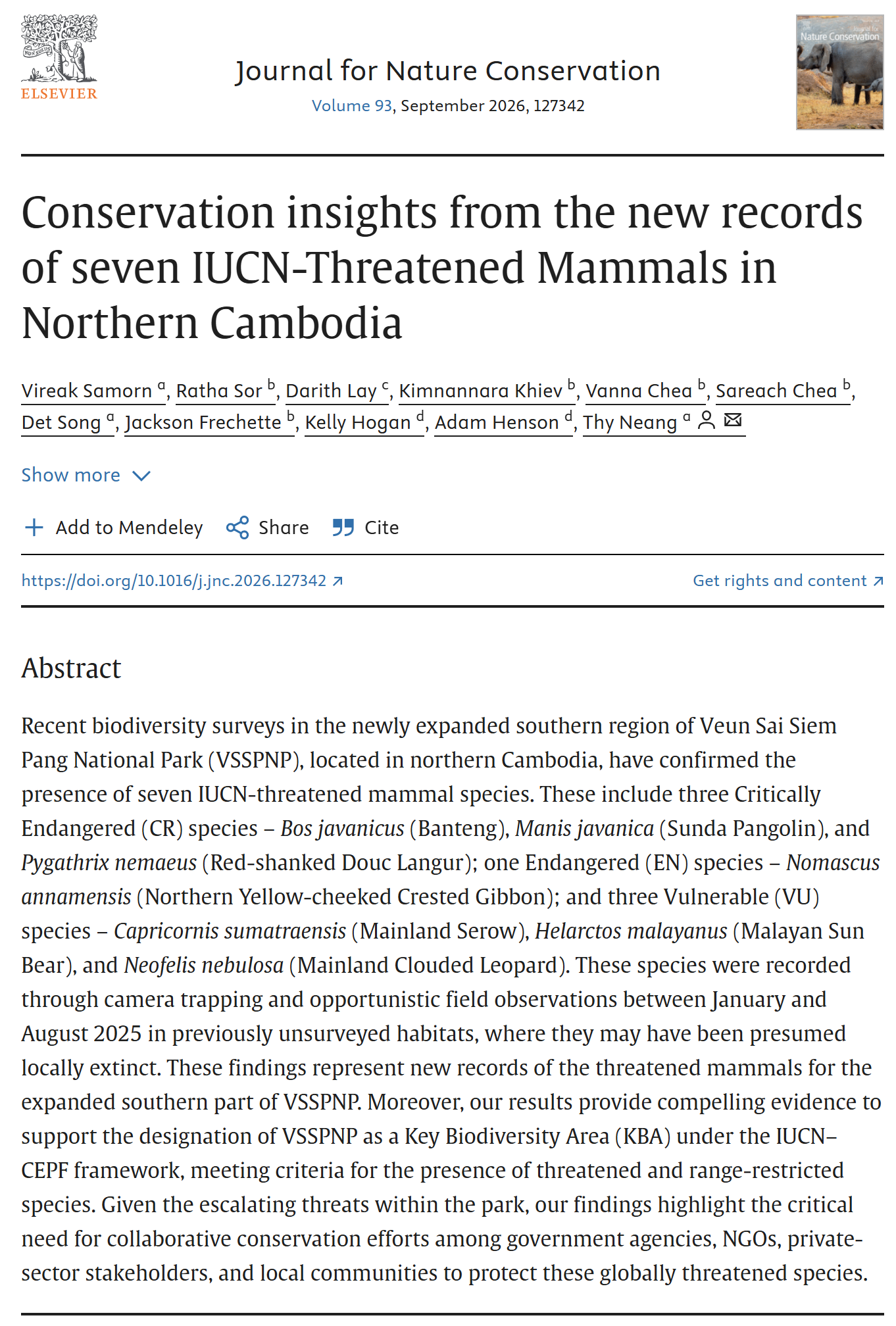
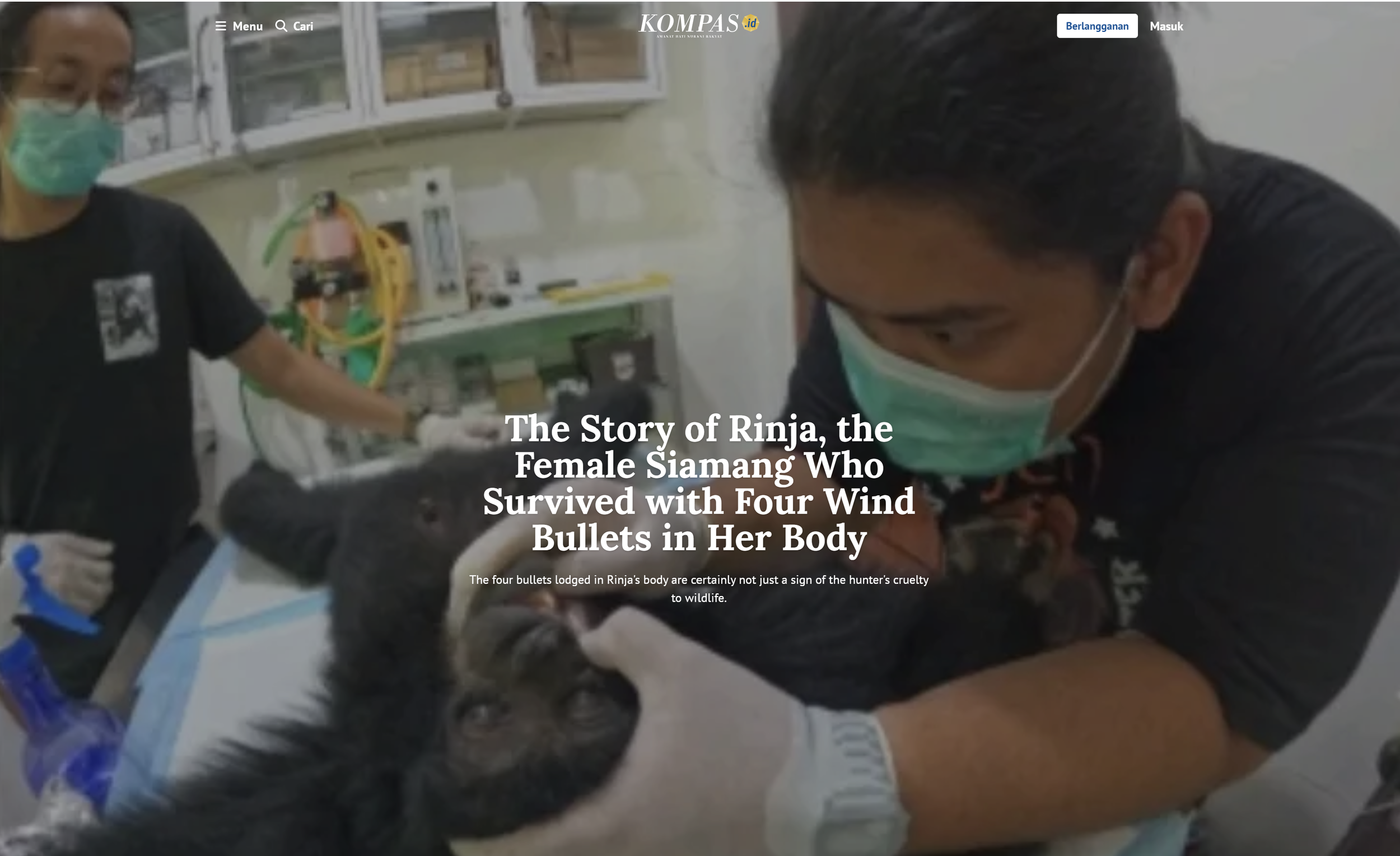
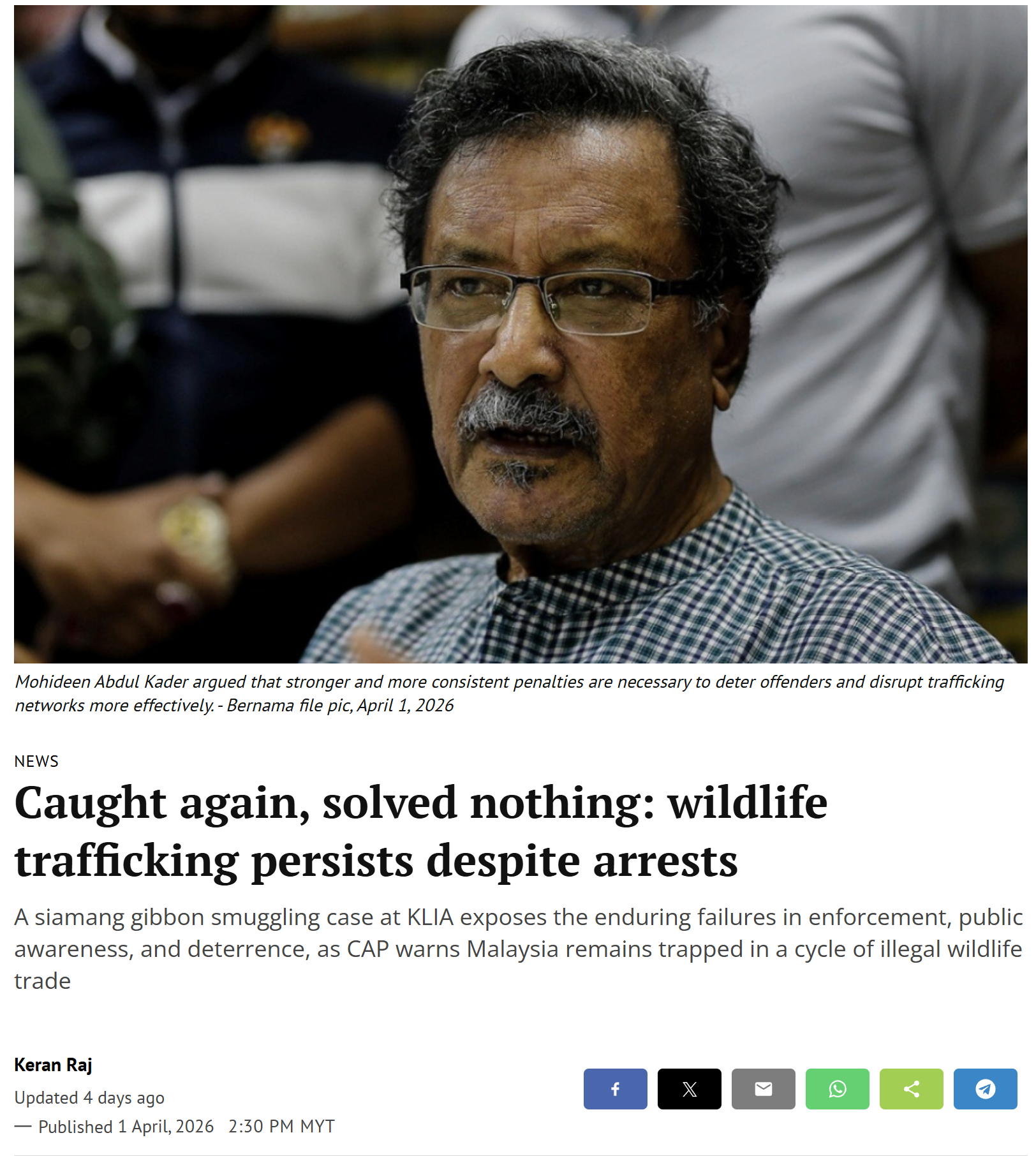
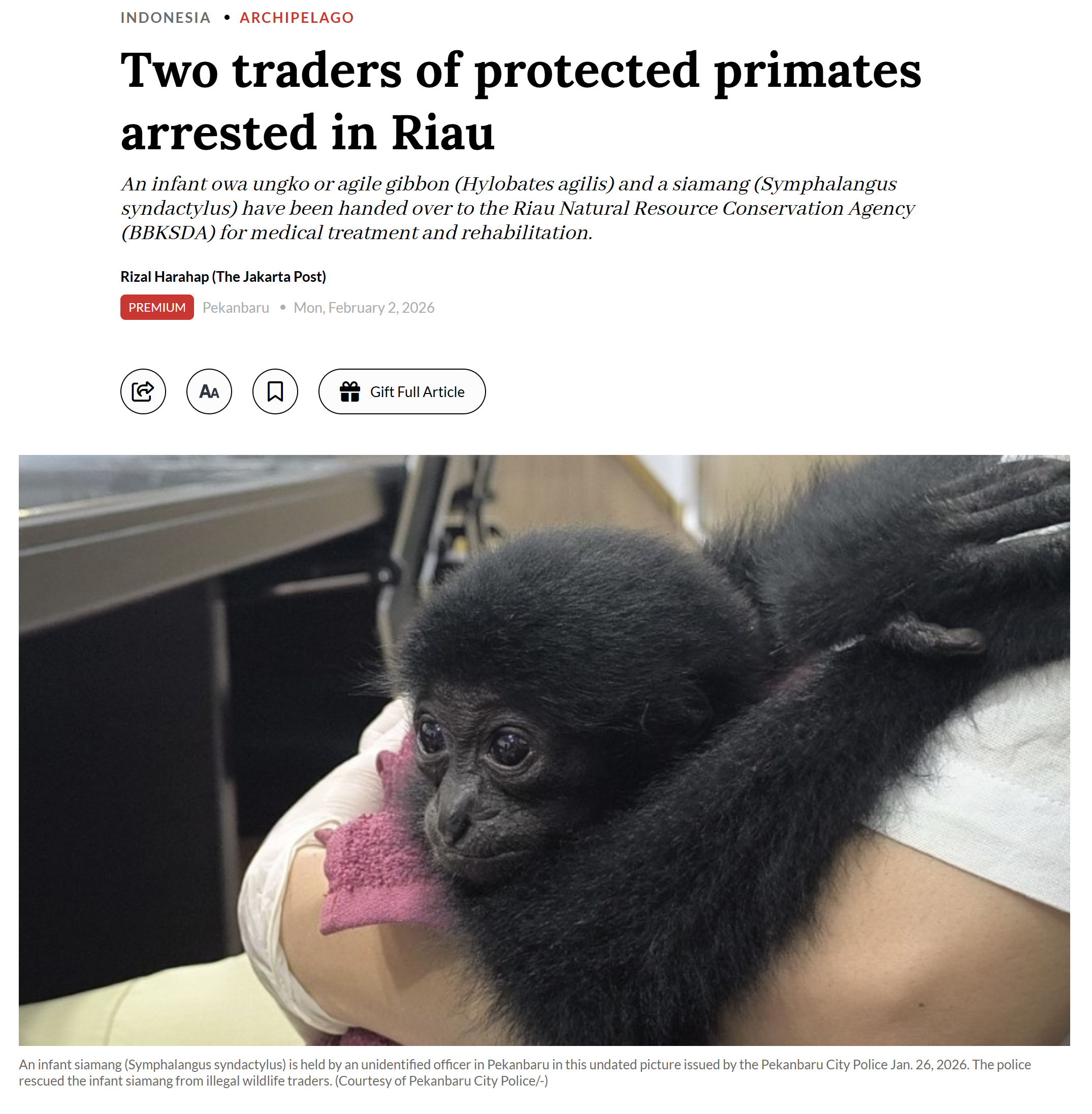
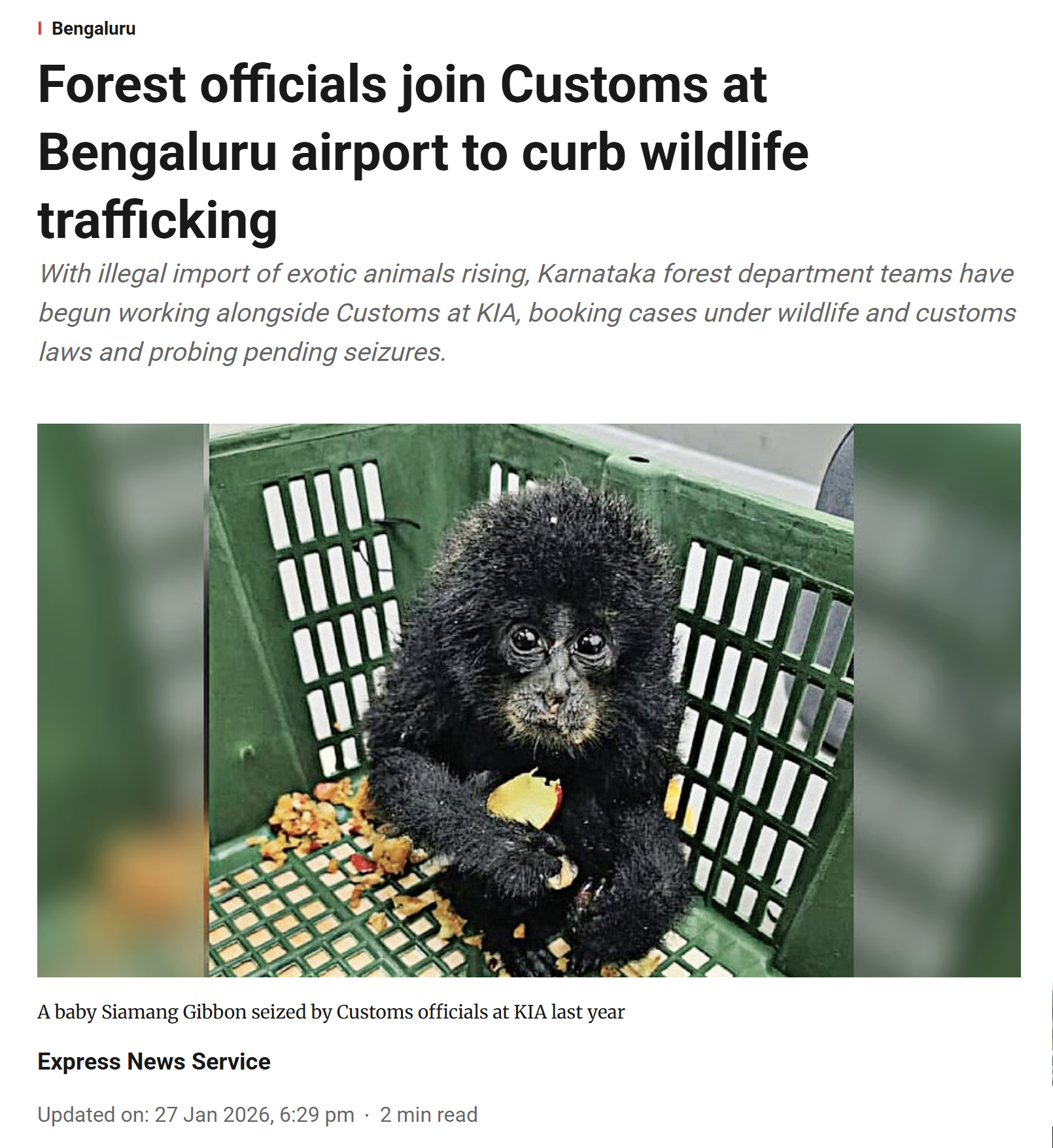
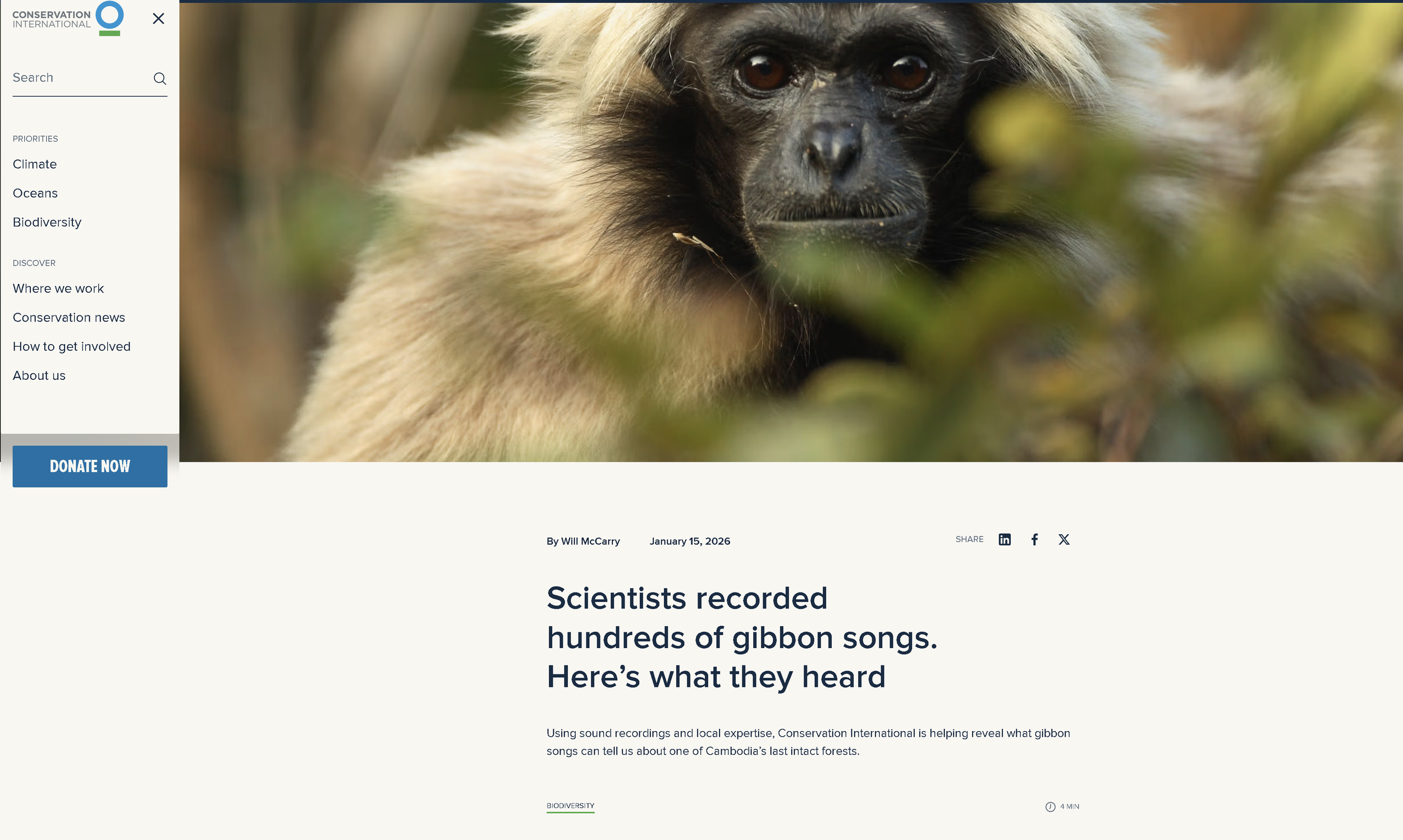
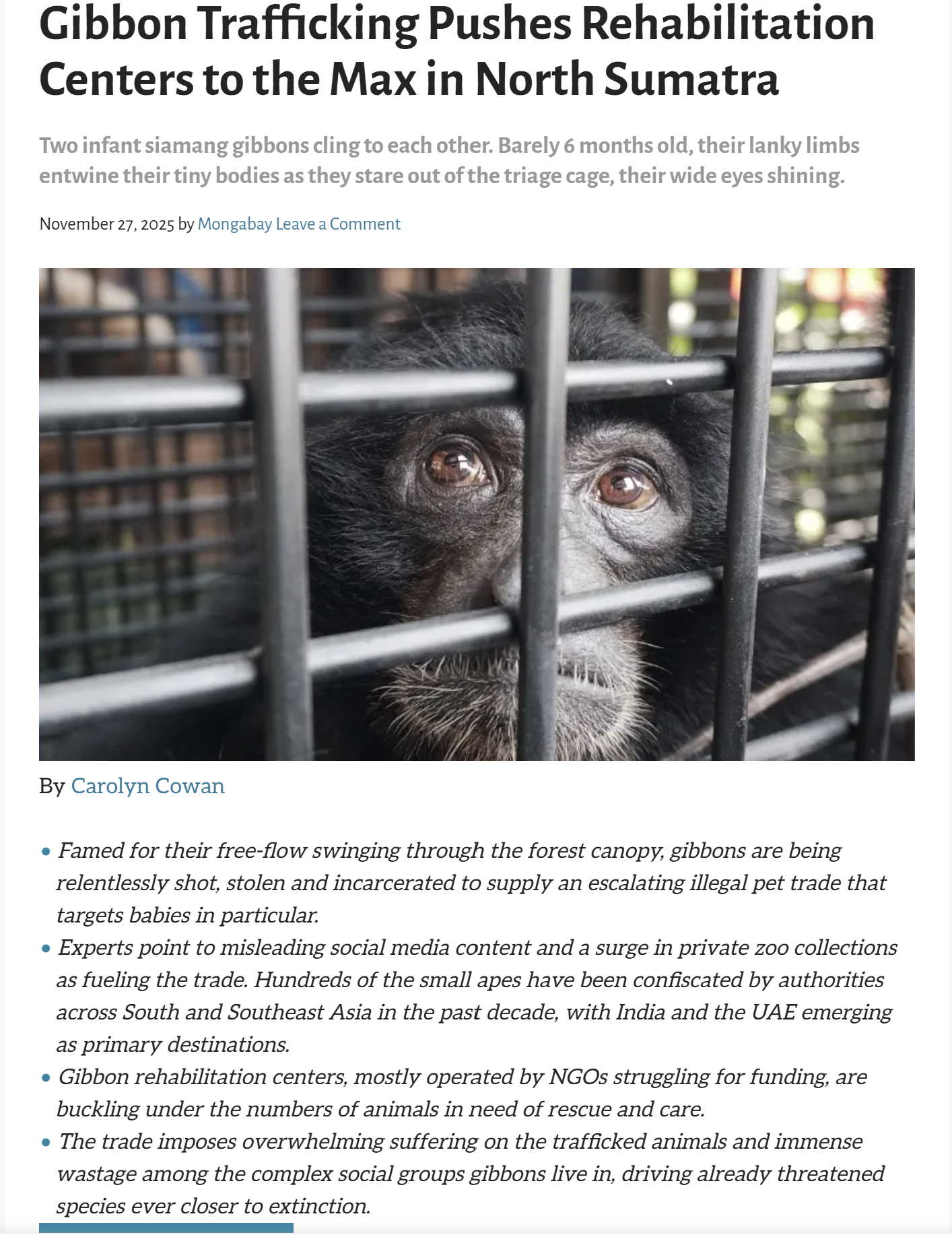
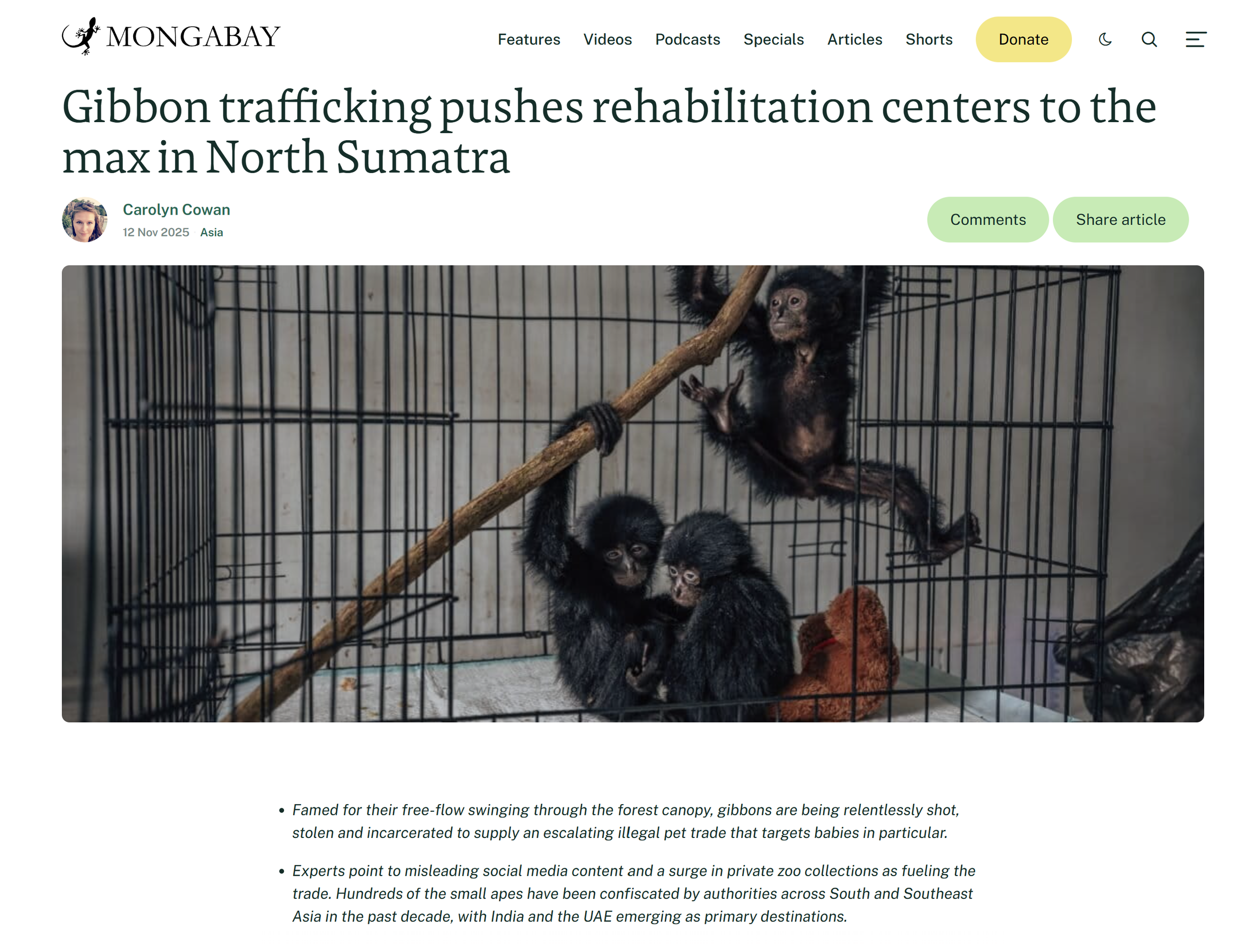
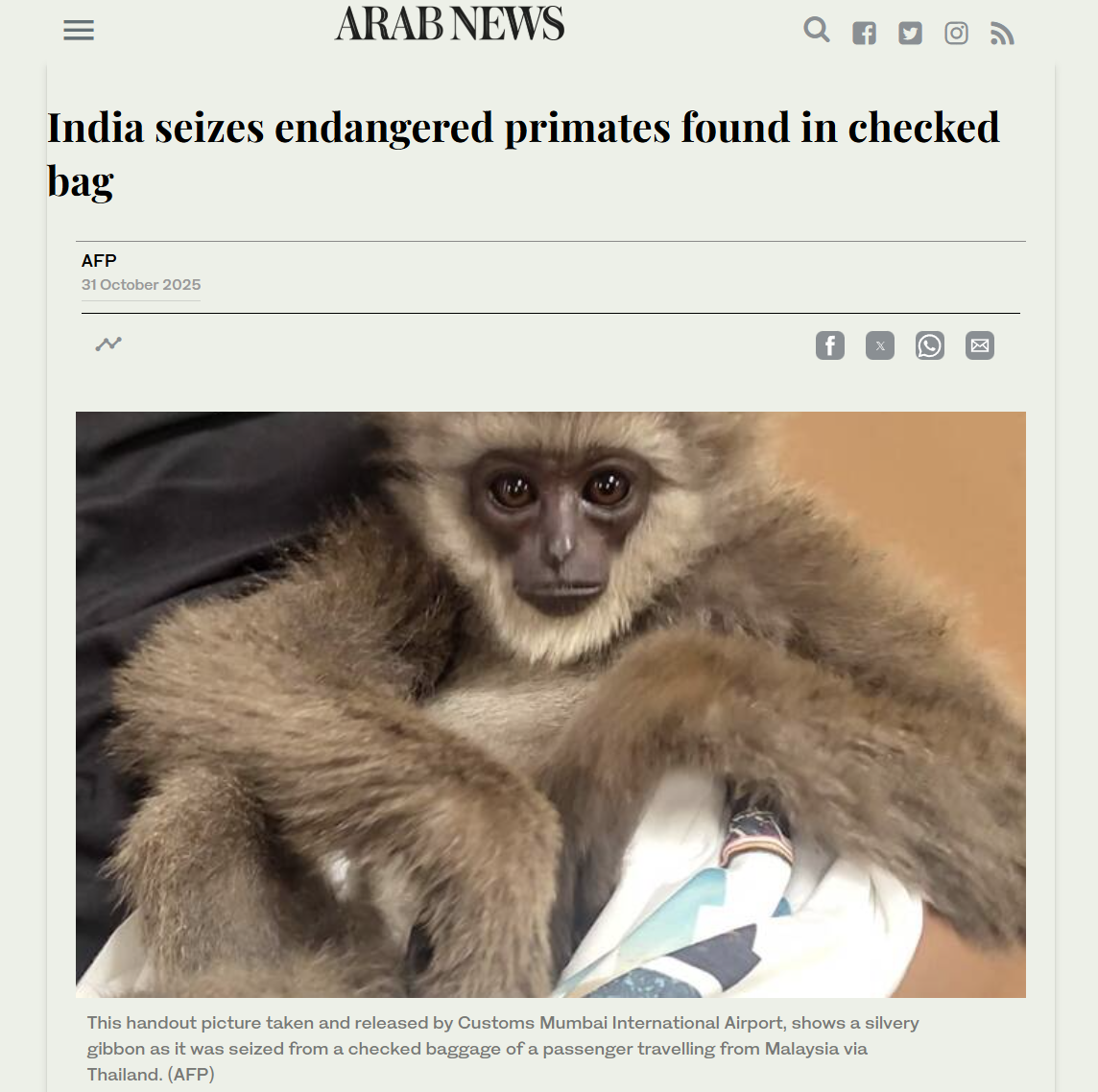
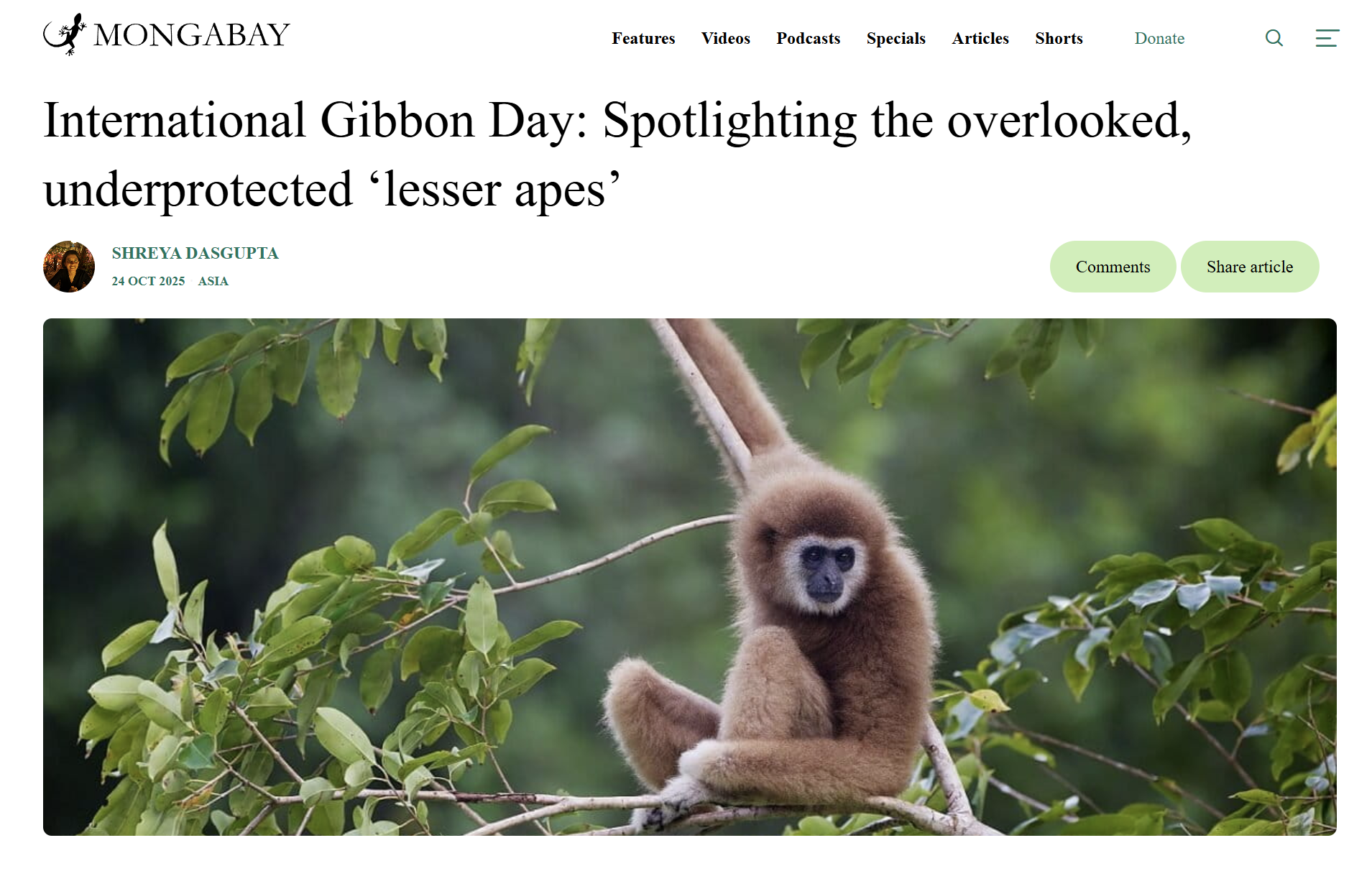
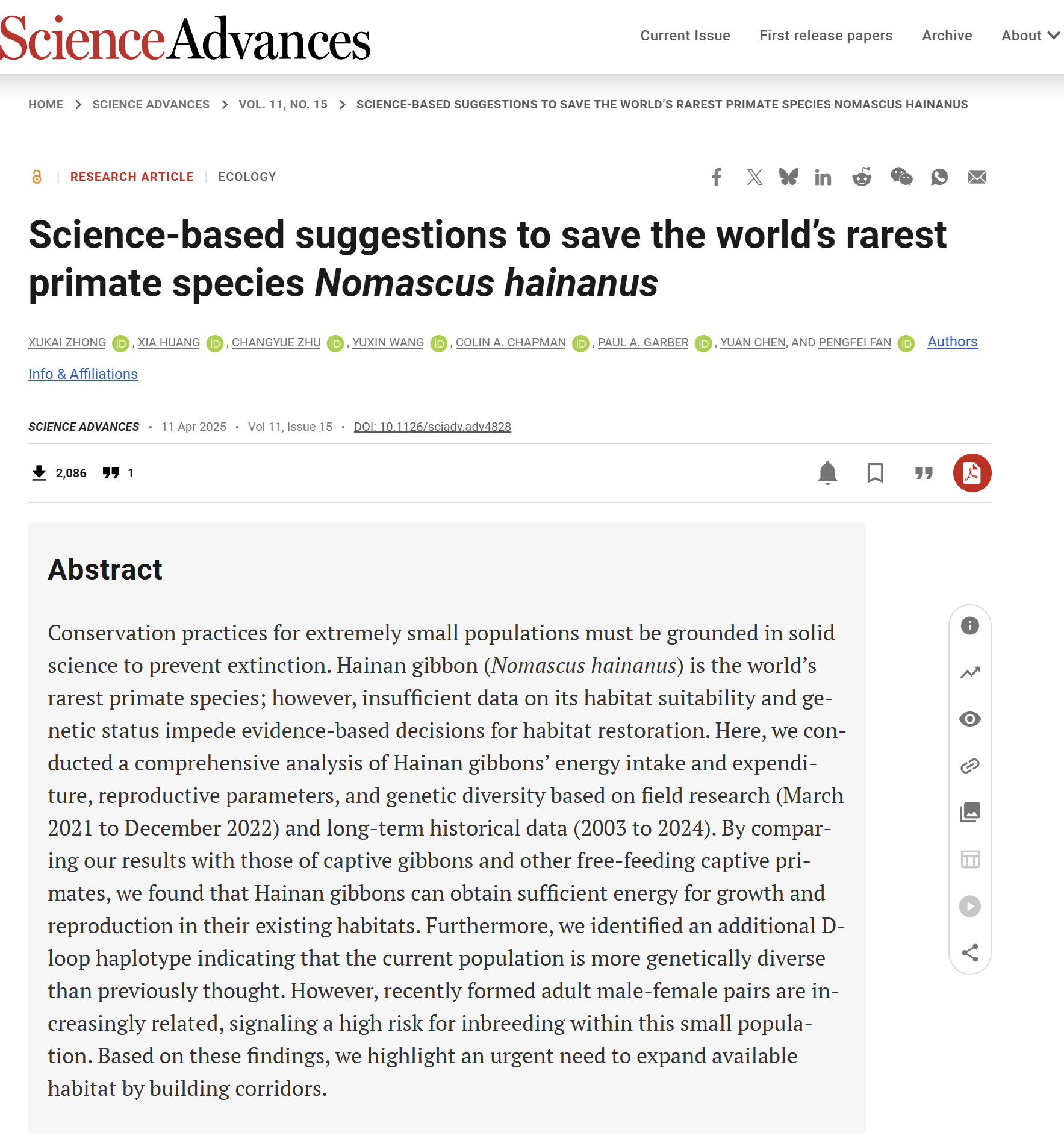
IUCN motion adopted to strengthen gibbon conservation through collaboration and synergy

This motion recognizes the critical conservation status of all gibbon species across Asia, most (19 of 20 species) of which are Endangered or Critically Endangered, and highlights their ecological, cultural and economic importance as keystone forest species and symbols of healthy rainforests. It raises alarm over a roughly 70% decline in gibbon populations since 1980, driven by habitat loss, infrastructure development, poaching, illegal trade, disease and escalating human–wildlife conflict.
The motion underscores the importance of science-based, collaborative conservation, acknowledging the Global Gibbon Network as a key platform and aligning gibbon protection with the Kunming–Montreal Global Biodiversity Framework and the 30x30 target. It emphasizes the need to prevent extinctions, safeguard genetic diversity, strengthen rainforest resilience and enhance transboundary cooperation and ecological connectivity. The recovery of the Hainan gibbon (the world’s rarest primate species) is highlighted as a successful model of coordinated action between government, scientists and civil society that can be replicated elsewhere.
Through its operative clauses, the Congress calls for securing core gibbon populations in protected and conserved areas, including consideration of World Heritage status for priority sites; banning private ownership of gibbons for entertainment or tourism and promoting best-practice rewilding; avoiding development and trade that harm gibbon habitats; increasing public, private and innovative financing for conservation; grounding gibbon conservation in data-driven action plans, habitat restoration and long-term monitoring; and strengthening international collaboration, including on disease prevention and responsible, gibbon-friendly ecotourism.
International Gibbon Day
October 24