What We Do
Every life counts for endangered species.
When local experts are equipped with the right tools and training, gibbons have a better chance at survival.
For the most sustainable impact, the Gibbon Health Initiative (GHI) is committed to a collaborative, global approach to addressing health problems. We work with gibbon rescue and rehabilitation centers in Asian range states to support the care and medical management of orphaned, sick, and injured gibbons throughout the rehabilitation process. Our work is grounded in empowering local veterinarians, caretakers, and conservationists through capacity-building, and expanding the knowledge base of the greater gibbon health community.
By strengthening local veterinary expertise, GHI aims to improve survival rates for rescued gibbons, increase the number of successful releases, and enhance health monitoring of wild gibbons, to secure a sustainable future for these species.
-
Building a Coalition
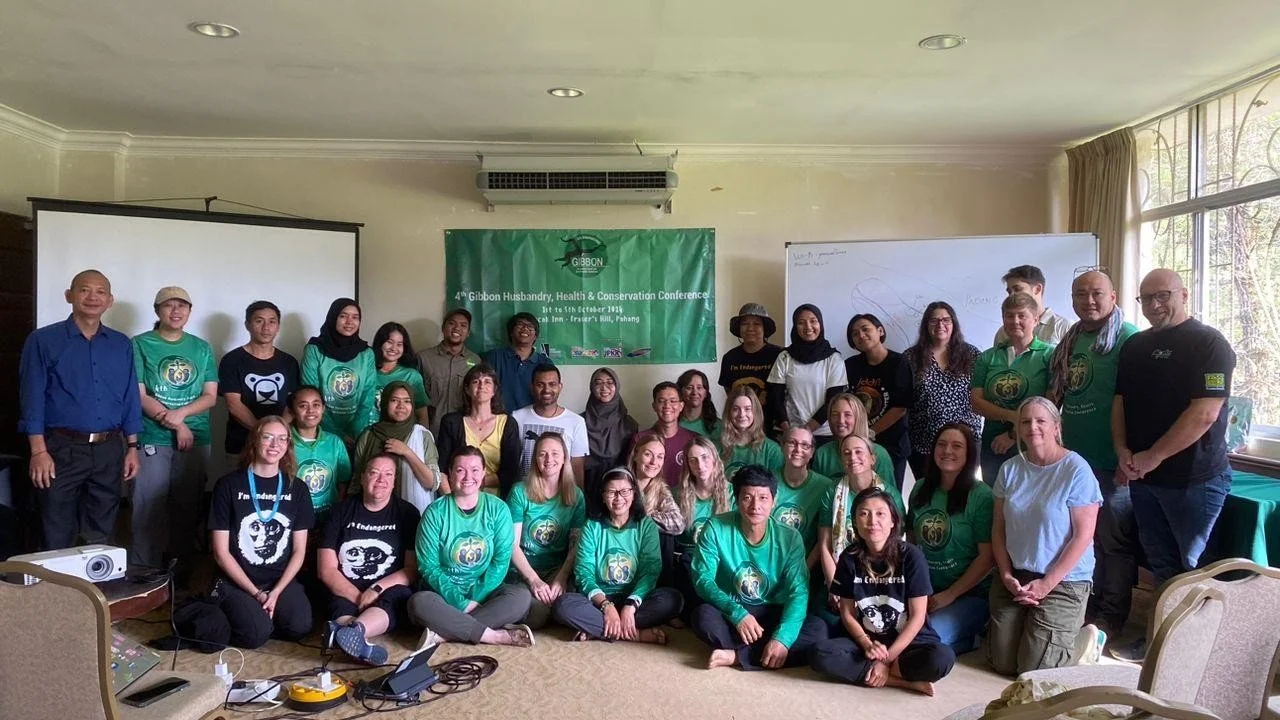
Our work starts with connecting the global gibbon community and opening channels of communication. To facilitate knowledge-sharing and dissemination, we have assembled a collaborative coalition of gibbon veterinarians, caretakers, rehabilitators, and conservationists from Asian range states. Through an open forum, local gibbon professionals can share news, seek consultation on cases, provide professional expertise, and generally share useful techniques and tips. This network also extends to the larger global gibbon community, including regional and international specialists who provide advanced consultation on more complicated medical cases. This gibbon health working group facilitates opportunities for networking within the field, mentorship from the consortium, and sharing of local expertise.
-
Sharing Knowledge
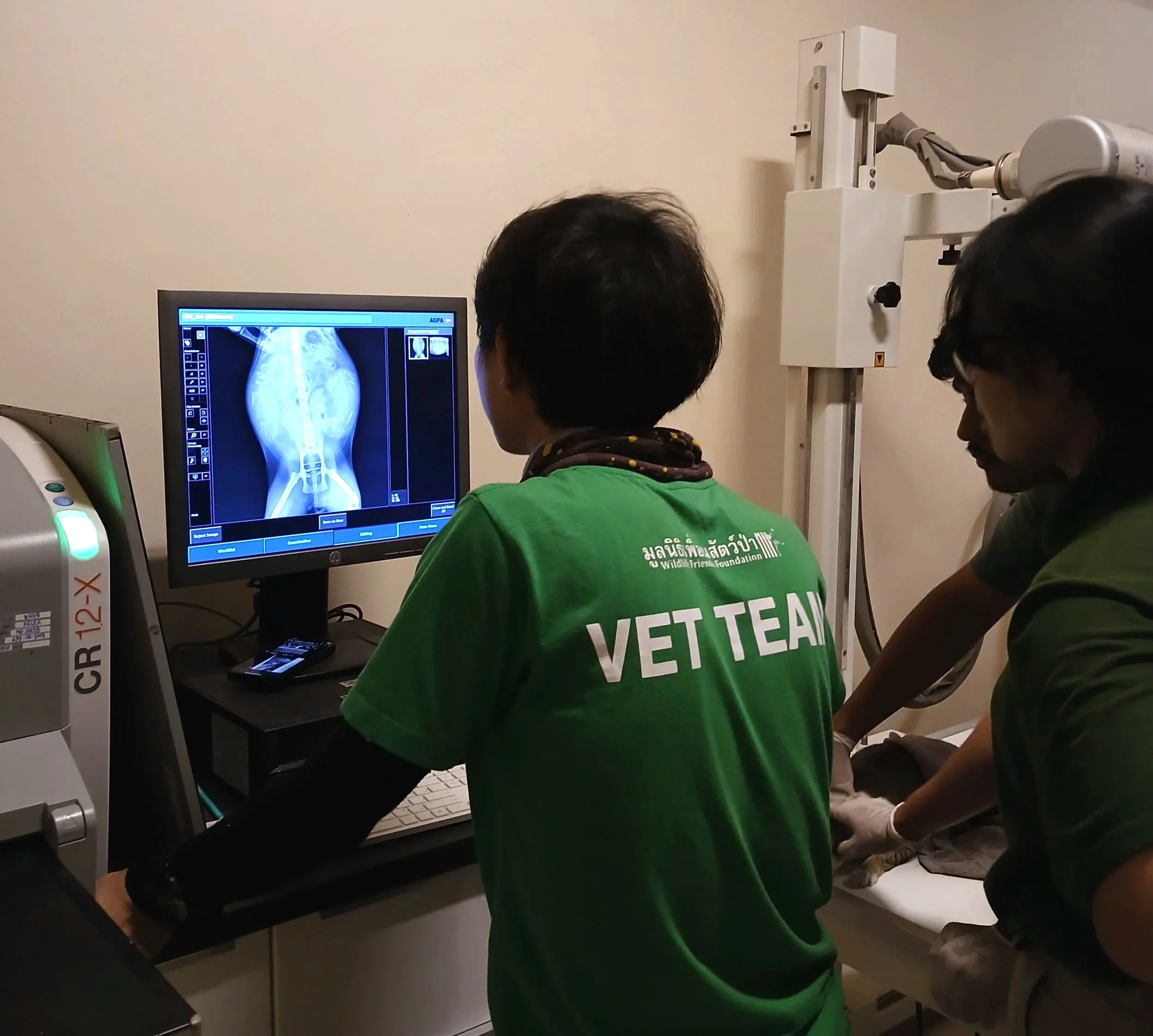
Gibbon medicine is not classroom or textbook-taught, but instead relies more on experiential knowledge and adaptation of traditional methods to such rare species in remote places. It can also be difficult to find resources so specialized on gibbon care. Our work aims to make this knowledge more accessible by offering opportunities for both didactic and experiential learning, forums for discussion, and direct on-site instruction. This includes the development of standardized protocols for rehabilitation centers, delivering webinars from international veterinary specialists tailored to nonhuman primates, supporting local veterinarians to attend professional conferences, and encouraging the use of a digital health database to standardize data collection. More direct opportunities for learning include hands-on internships for graduate veterinarians through international veterinary exchanges and on-site visits from experienced gibbon veterinarians to provide direct mentorship.
-
Bridging Resource Gaps
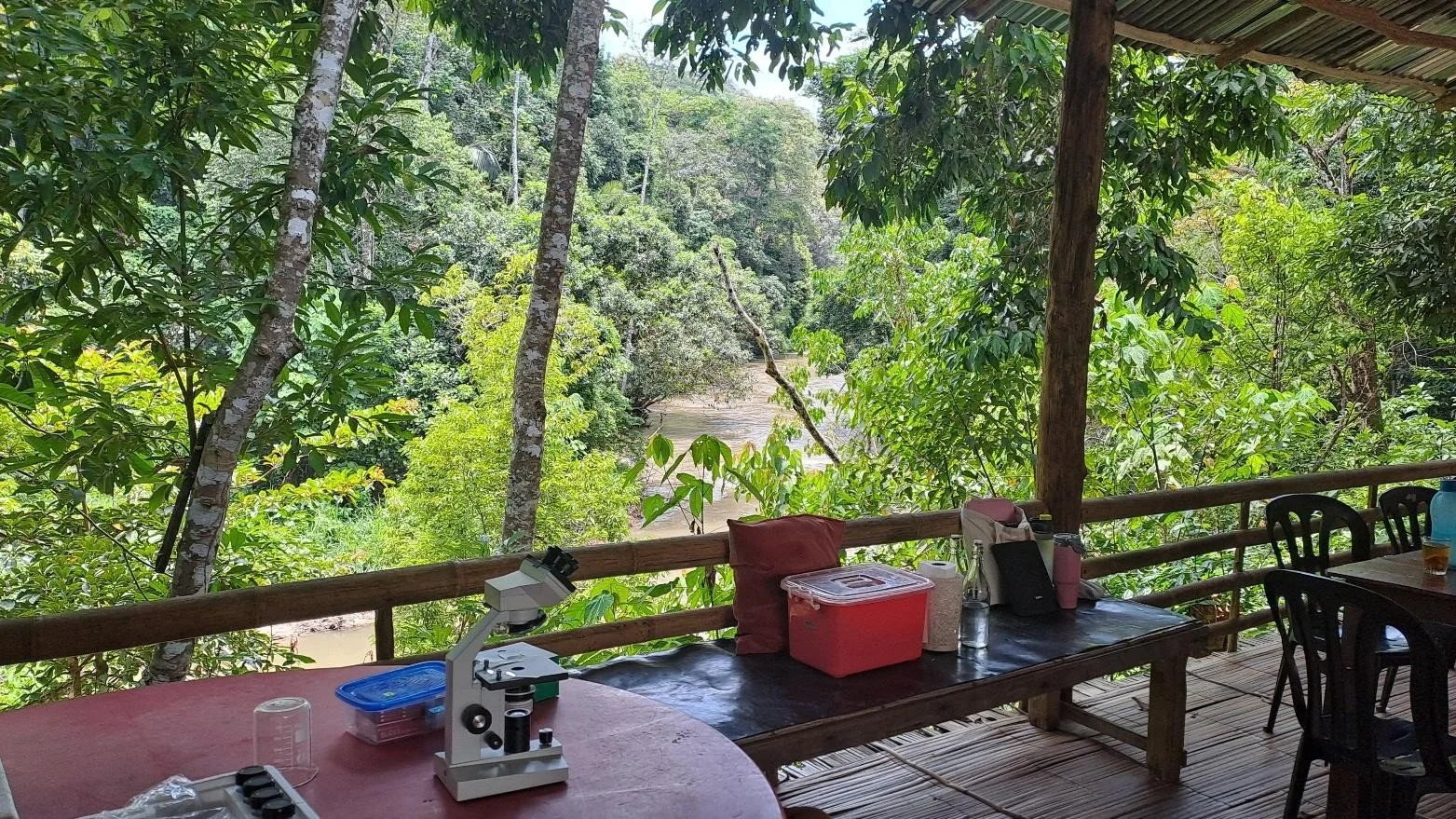
Wildlife rehabilitation is an urgently needed field that serves an important role in returning injured and orphaned animals to the wild. For centers operating in remote regions where gibbons live, limited resources result in insufficient equipment and supplies, inhibiting diagnostic capacity and impeding our ability to provide the best possible care for these patients. To help solve this challenge, our project aims to identify and fill these resource gaps, including delivering much-needed medical equipment and tools, connecting local veterinarians with regional laboratories and pathology services, supplying educational tools like textbooks, and facilitating access to digital databases for medical record management and systematic data collection.
-
Gibbon Health Research
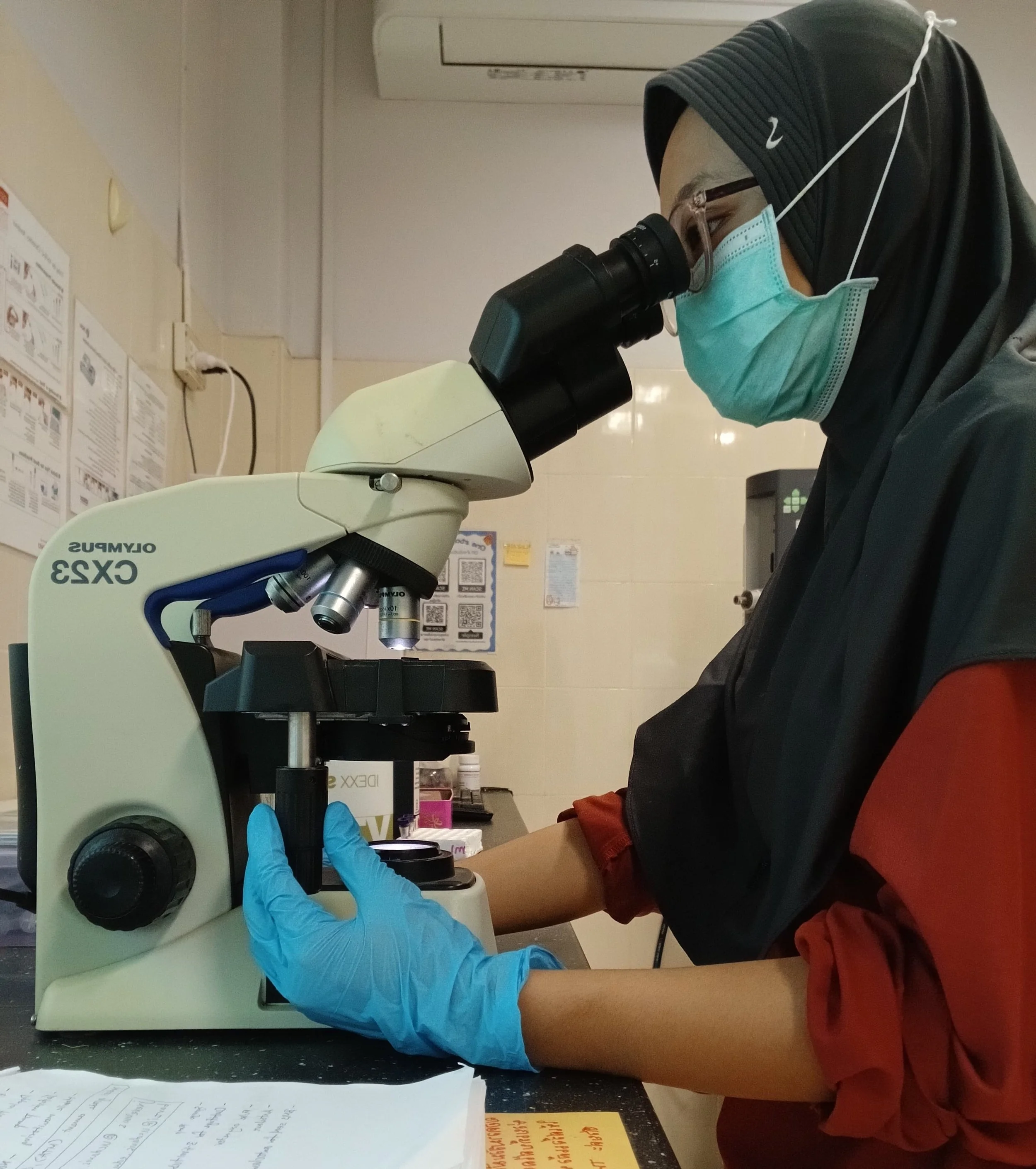
Wildlife medicine and conservation should be evidence-based to be effective and sustainable. Staying up-to-date in the field requires constant learning and resourcefulness of on-the-ground gibbon veterinary and care teams. But many knowledge gaps remain for the greater global gibbon health community. We aim to address these gaps by monitoring health trends, researching causes of morbidity and mortality, and investigating understudied gibbon diseases. To date, we have collectively developed a research prospectus outlining research needs, informed by discussions among on-the-ground veterinarians.
Our Network
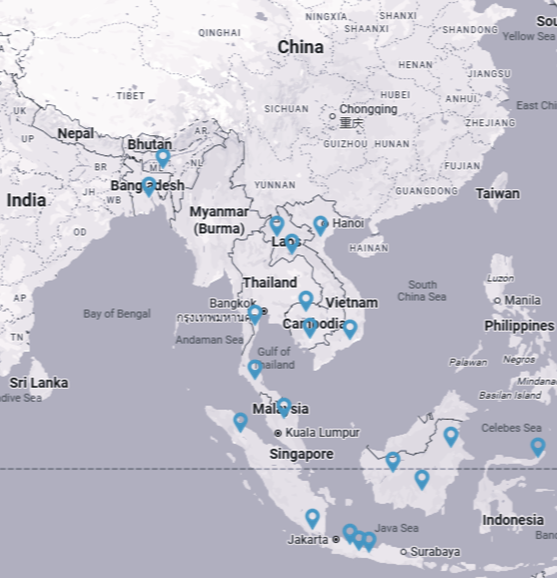
Our gibbon conservation network spans South and Southeast Asia's critical habitats, protecting the world's most endangered primates across their natural range. Each location represents a vital sanctuary for gibbon species facing extinction.
Bangladesh
Cambodia
India
Indonesia
Laos
Malaysia
Thailand
Vietnam