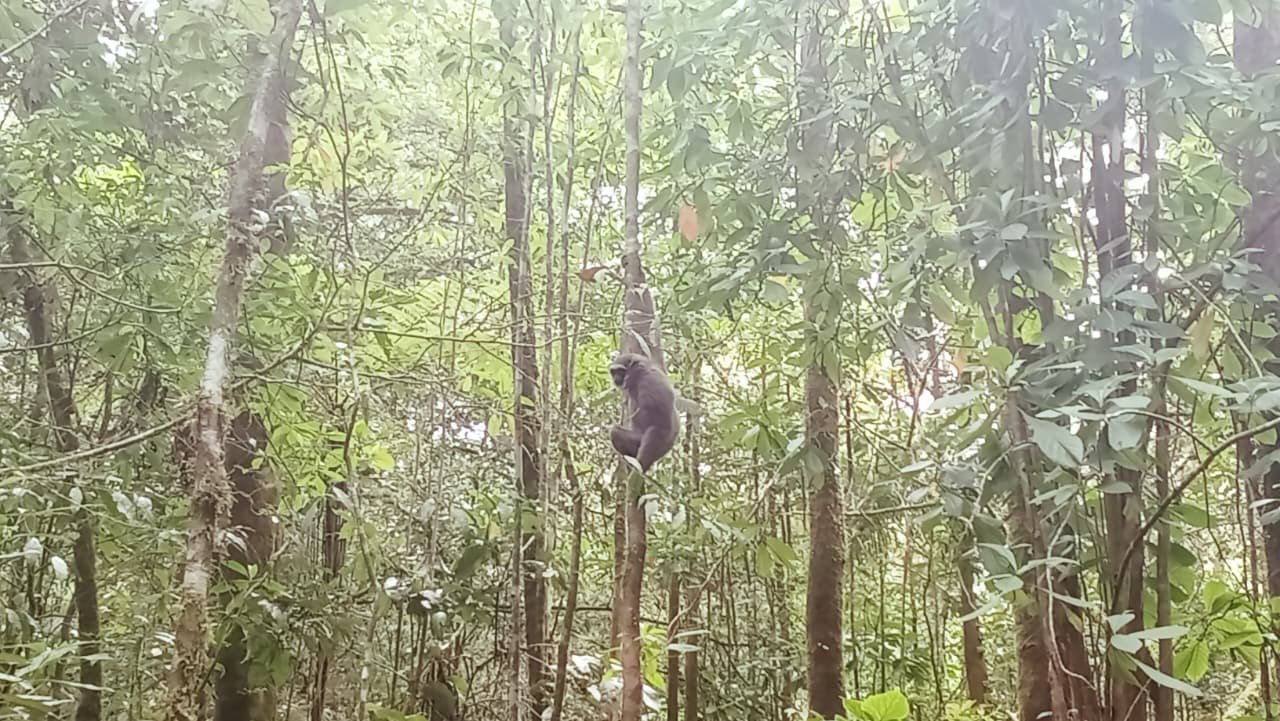
In August, Drh. Intan Nur Afifah of Yayasan Kalaweit-Kalimantan traveled to West Java to complete a veterinary internship hosted at Aspinall’s Javan Primate Rehabilitation Centre (JPRC). During her internship, she learned from one of the most experienced gibbon vets: Drh. Ida Masnur, one of GHI’s Regional Coordinators, a gibbon expert, and a long-time mentor of young wildlife veterinarians.
Intan’s internship began with some foundational skills: how to manually hold and restrain primates, and chemical immobilization and anesthesia of gibbons. This included drug selection to accommodate different health scenarios and monitoring of vital signs, a critical component of anesthesia. One of a wildlife vet’s most important jobs is to keep anesthetized patients stable and safe throughout their procedure!
“[Learned] things that I rarely did before, which made me want to improve.”
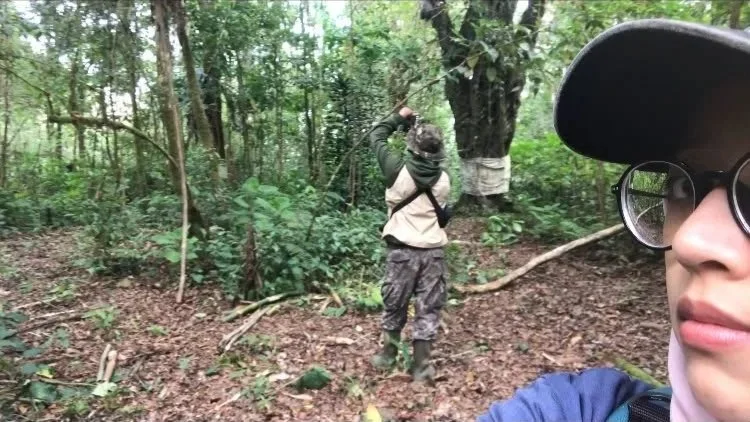
Drh. Intan Nur Afifah conducting post-release monitoring of rehabilitated Javan gibbons.
Drh. Intan was also able to participate in the management of gibbon and langur cases. She practiced wound management on a gibbon, learning how to establish proper drainage for an abscess and select topical products for wound cleaning and healing. She also initiated basic diagnostics by looking at a sample of the abscess exudate under a microscope.
Meanwhile, the arrival of adult langurs offered a good opportunity to practice implementing the primate quarantine and infectious disease screening protocols for new intakes, as well as physical exams. She took some blood for diagnostic tests, including for some infectious diseases that are transmissible between humans and primates. This is important because gibbon rehabilitators must avoid introducing new human diseases to naive wild primate populations.
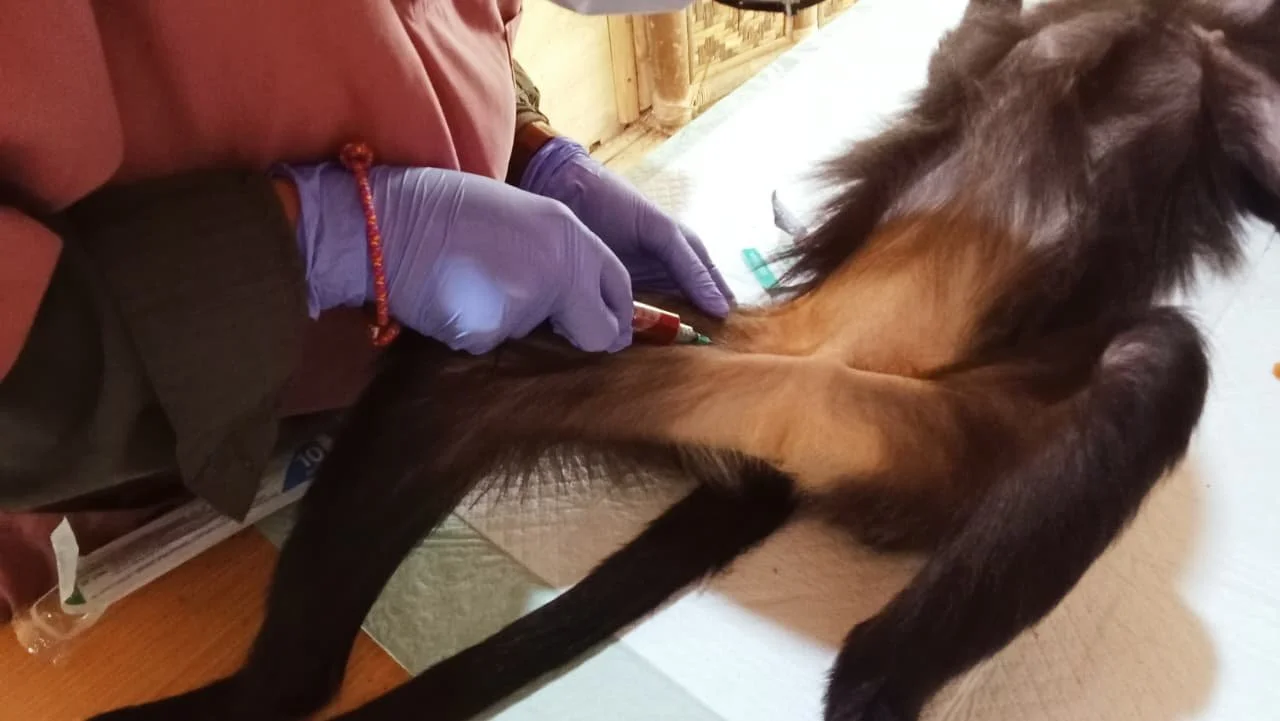
Drh. Intan examining and collecting a blood sample from an anesthetized Javan langur for infectious disease screening.
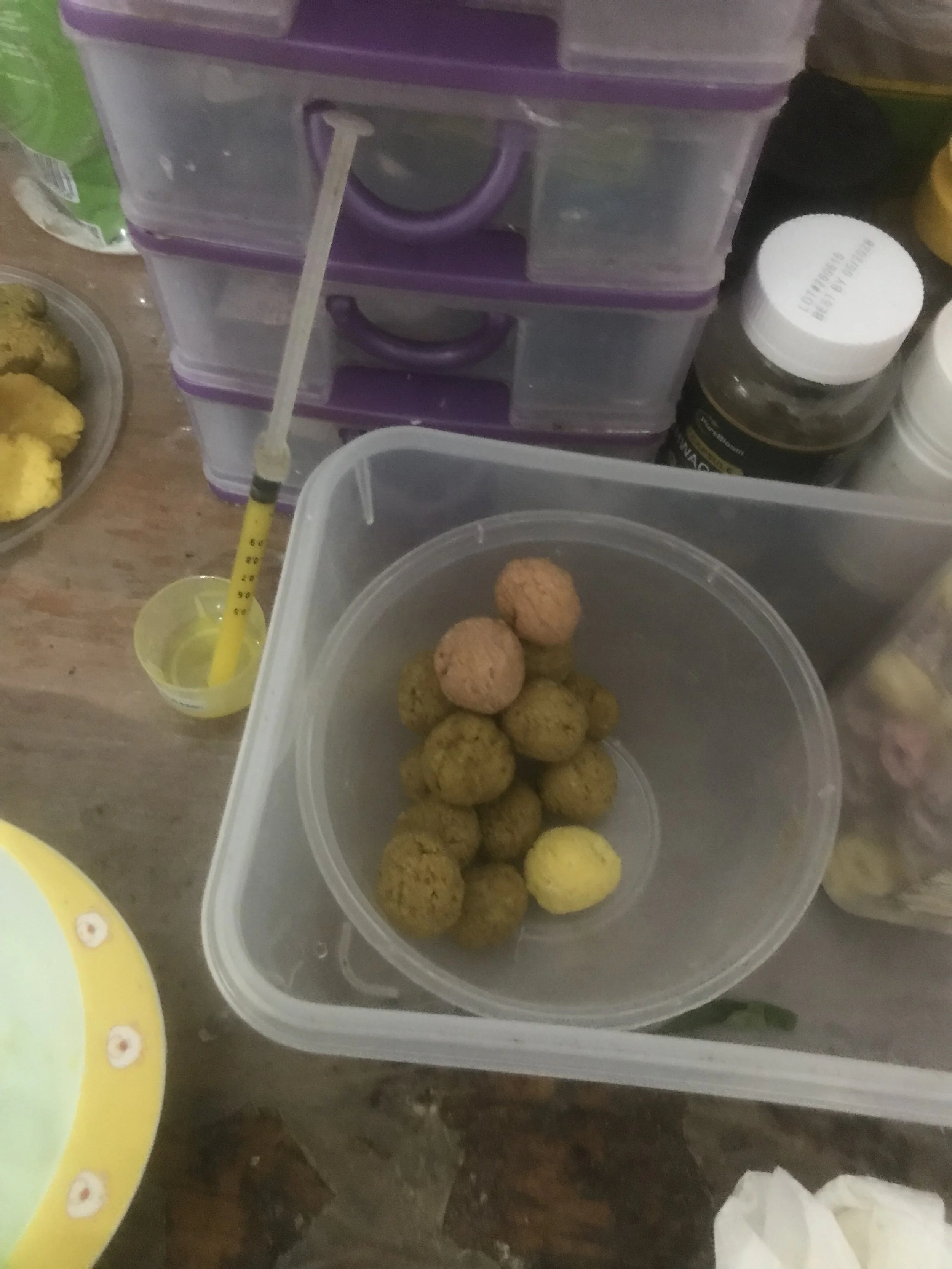
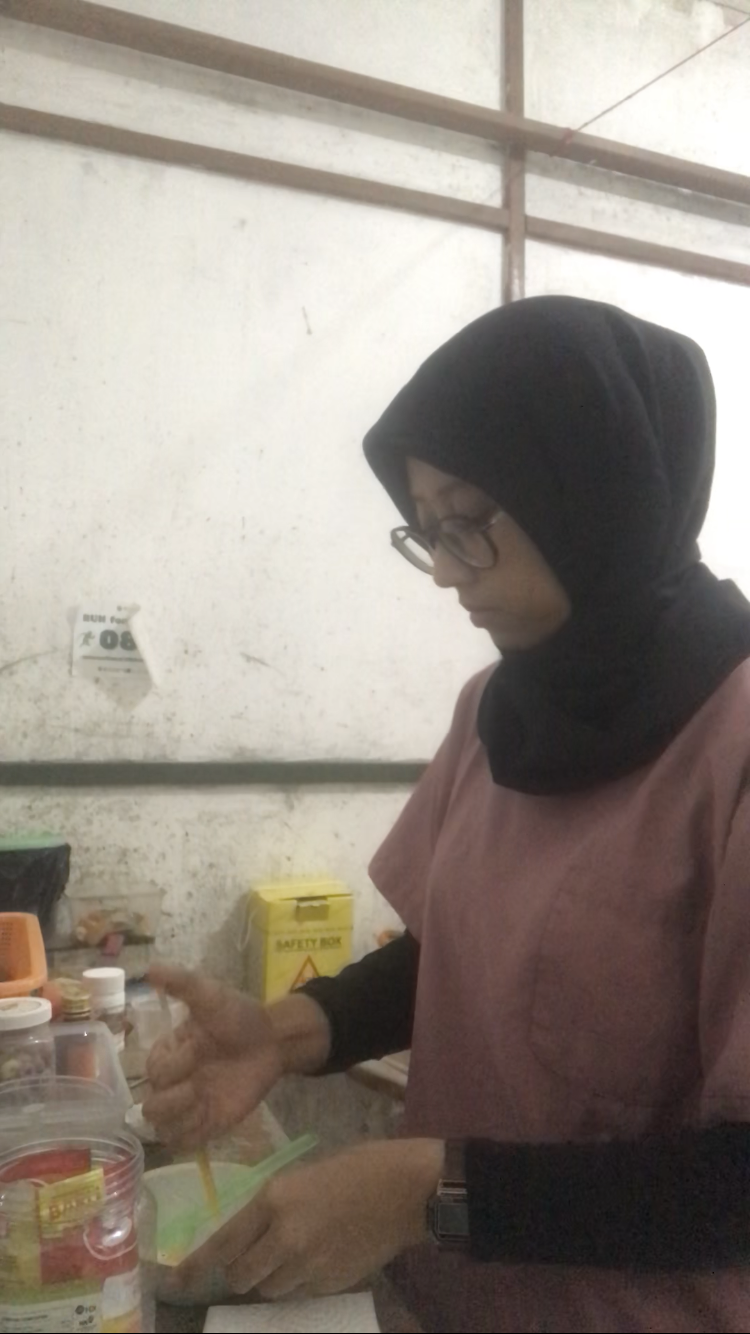
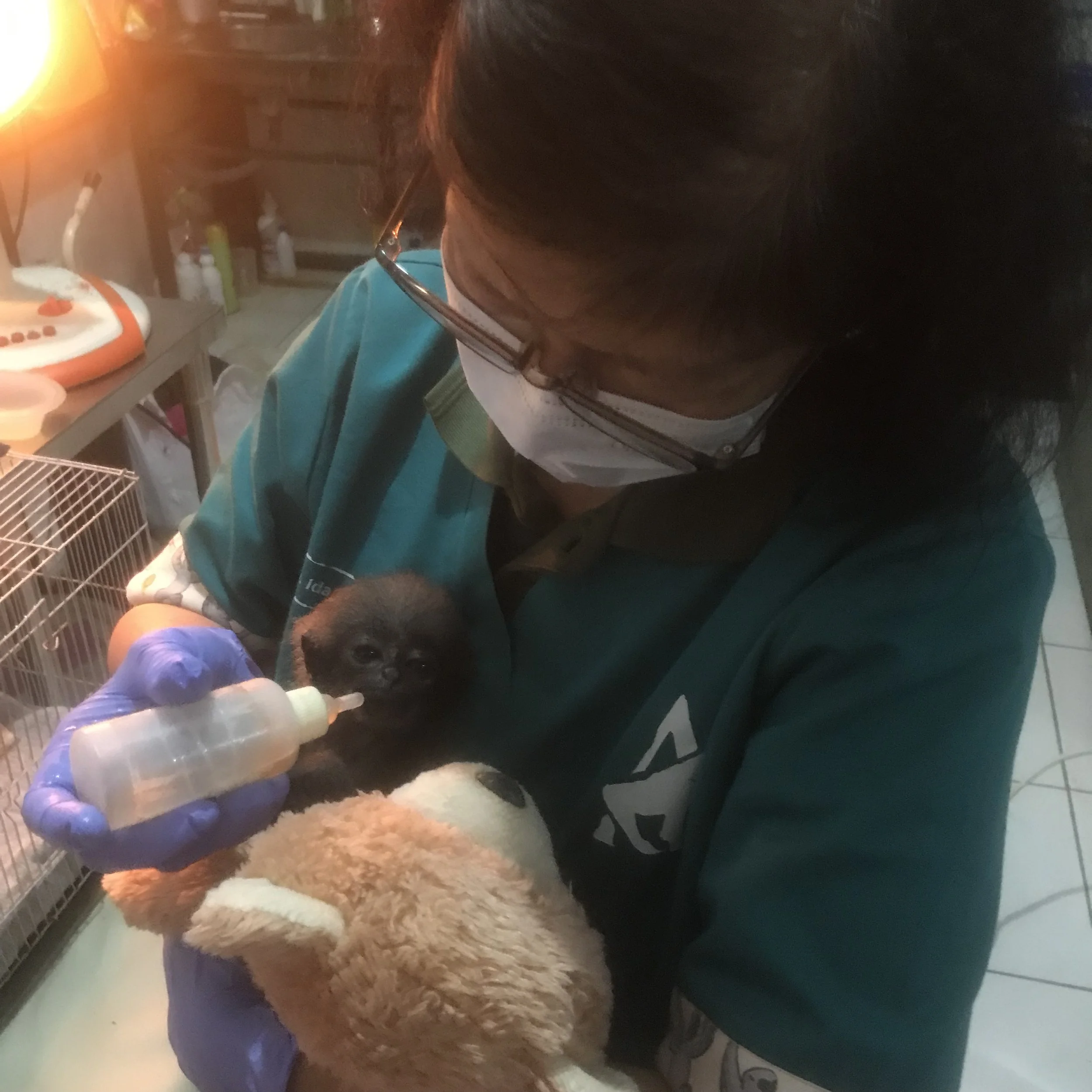
Beyond veterinary care, daily husbandry and management are also key to successful outcomes. Drh. Intan also learned about routine supplementation with vitamins to achieve appropriate nutrition, and how to administer them in daily meals. She also learned about caring for baby gibbons, which require ‘round-the-clock specialized care and attention.
And finally, Drh. Intan got to see where all of this work leads to in the end. From JPRC, Drh. Intan learned that the eventual release process first entails evaluation of prospective release sites based on other species in the forest, predator presence, food availability, distance to water, and level of human activity and human habitation. JPRC is also one of a few centers that conducts active post-release monitoring activities to ensure that their rehabilitated gibbons are thriving in the long term. Drh. Intan was able to join the team to learn how to evaluate the physical and social health of gibbons returned to the wild: by observing interactions between pairs and their response to human presence (hopefully staying far away!).
From left to right: Diet and supplement preparation; Drh. Intan preparing supplements; and Drh. Ida caring for an infant gibbon.
Upon returning to her home centre, Drh. Intan plans to put some of her new knowledge into practice! This veterinary internship was made possible by support from GHI. At GHI, we believe that conservation initiatives are most sustainable through investment in and reliance on local practitioners and knowledge. Our experiential internships are intended to share home-grown experience and knowledge, bridge connections within the field, and support our ever-growing network of gibbon rehabilitators.