Bandung, Indonesia | October 5-8, 2026
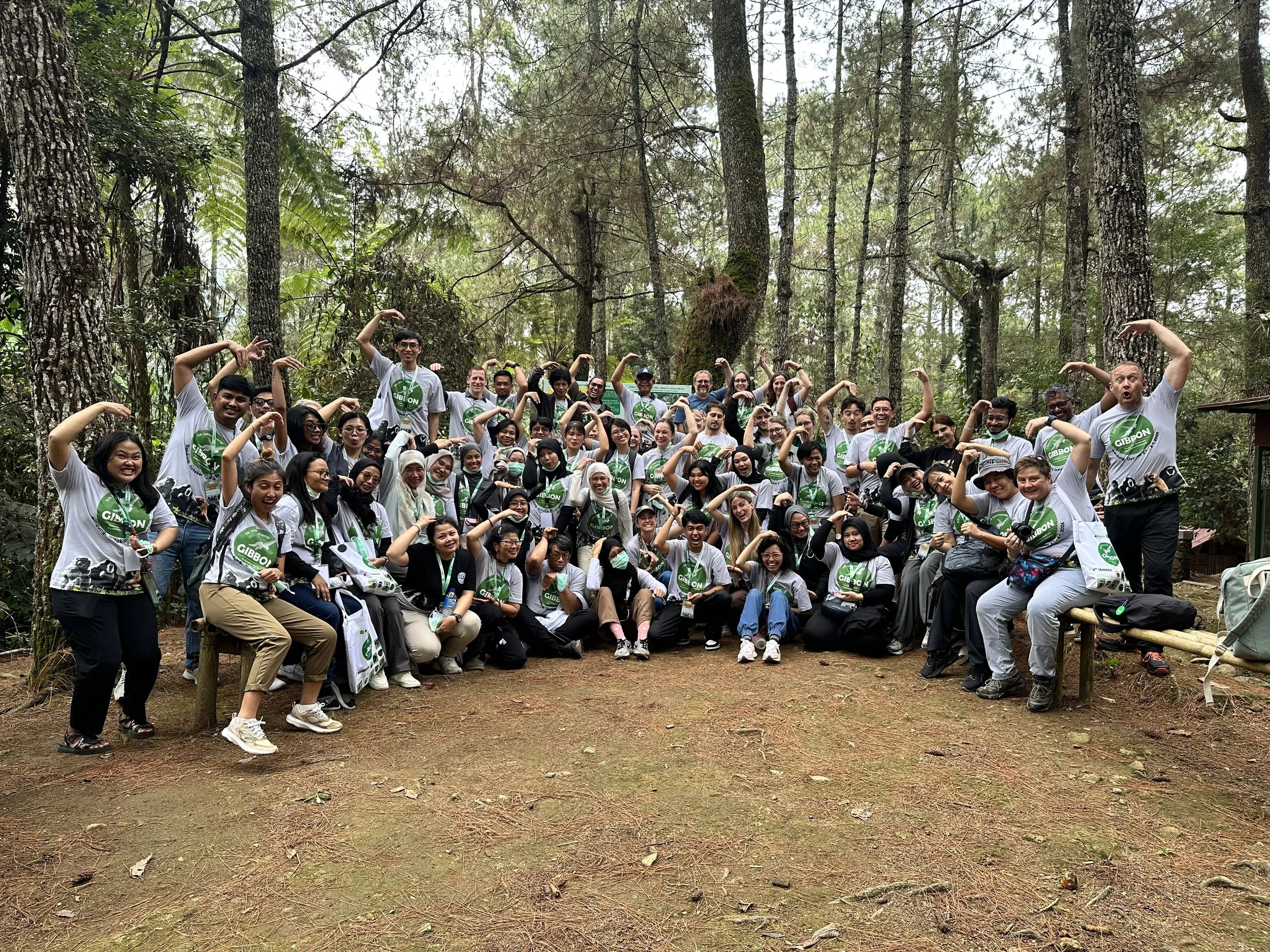
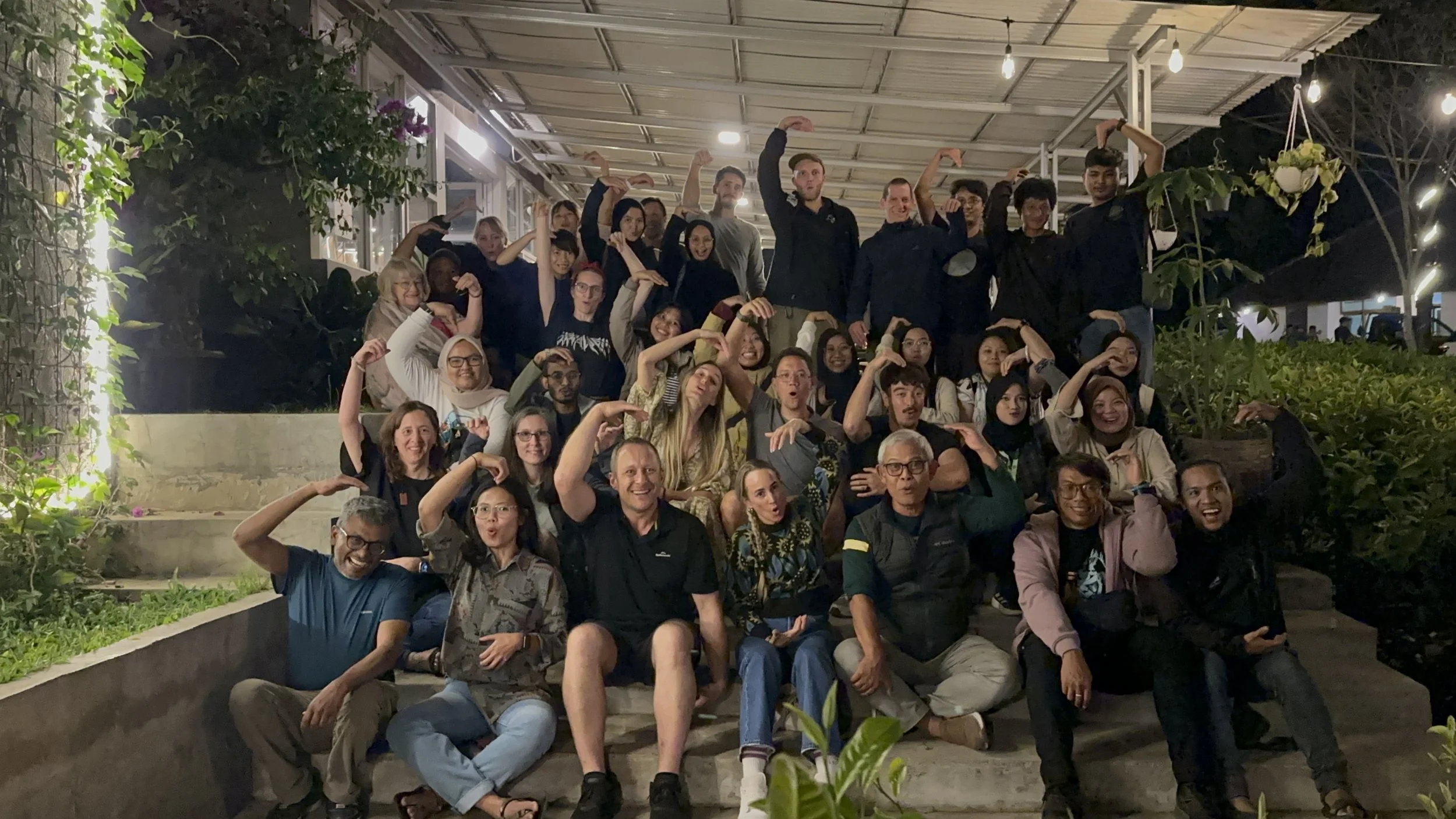
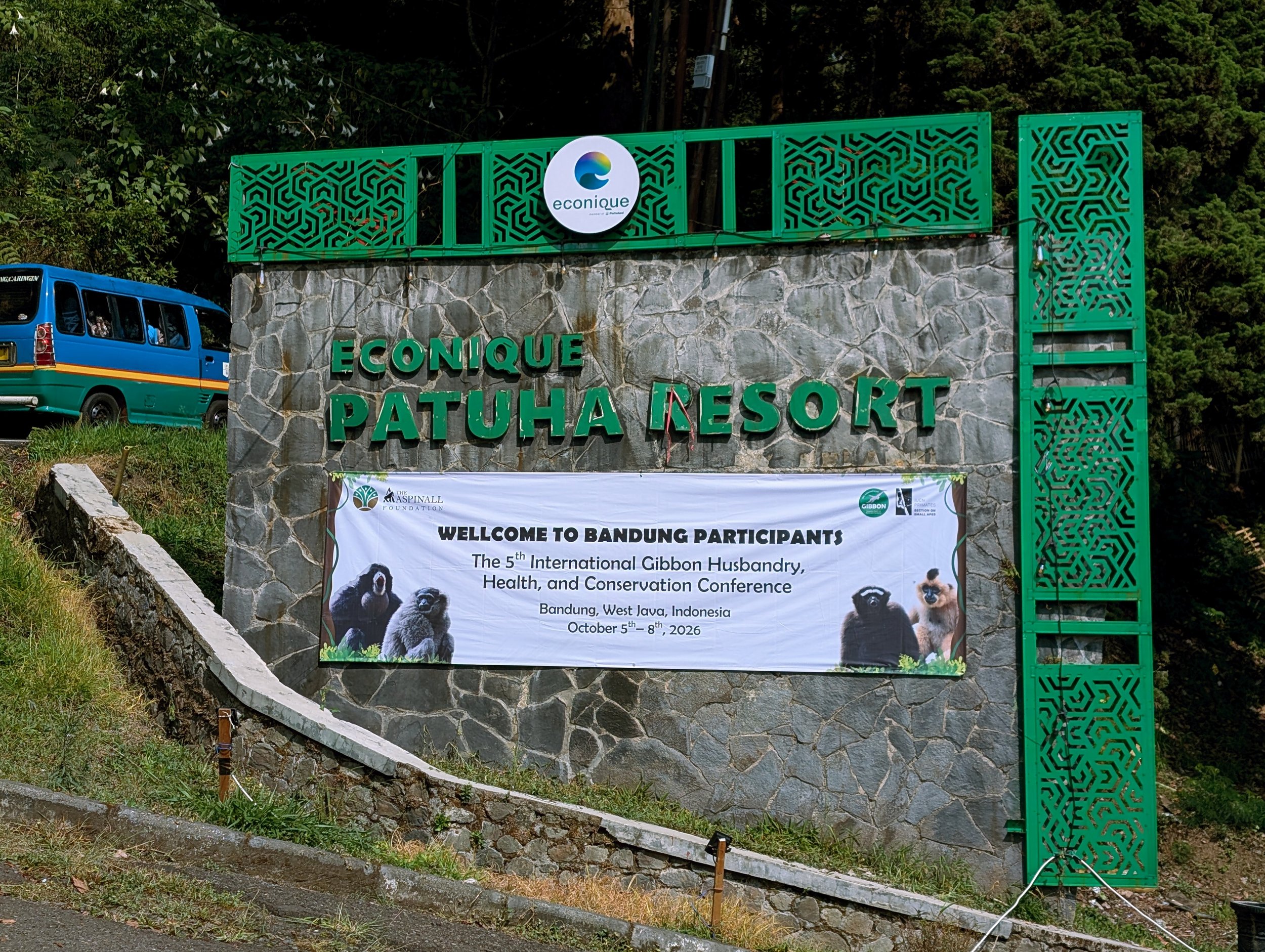
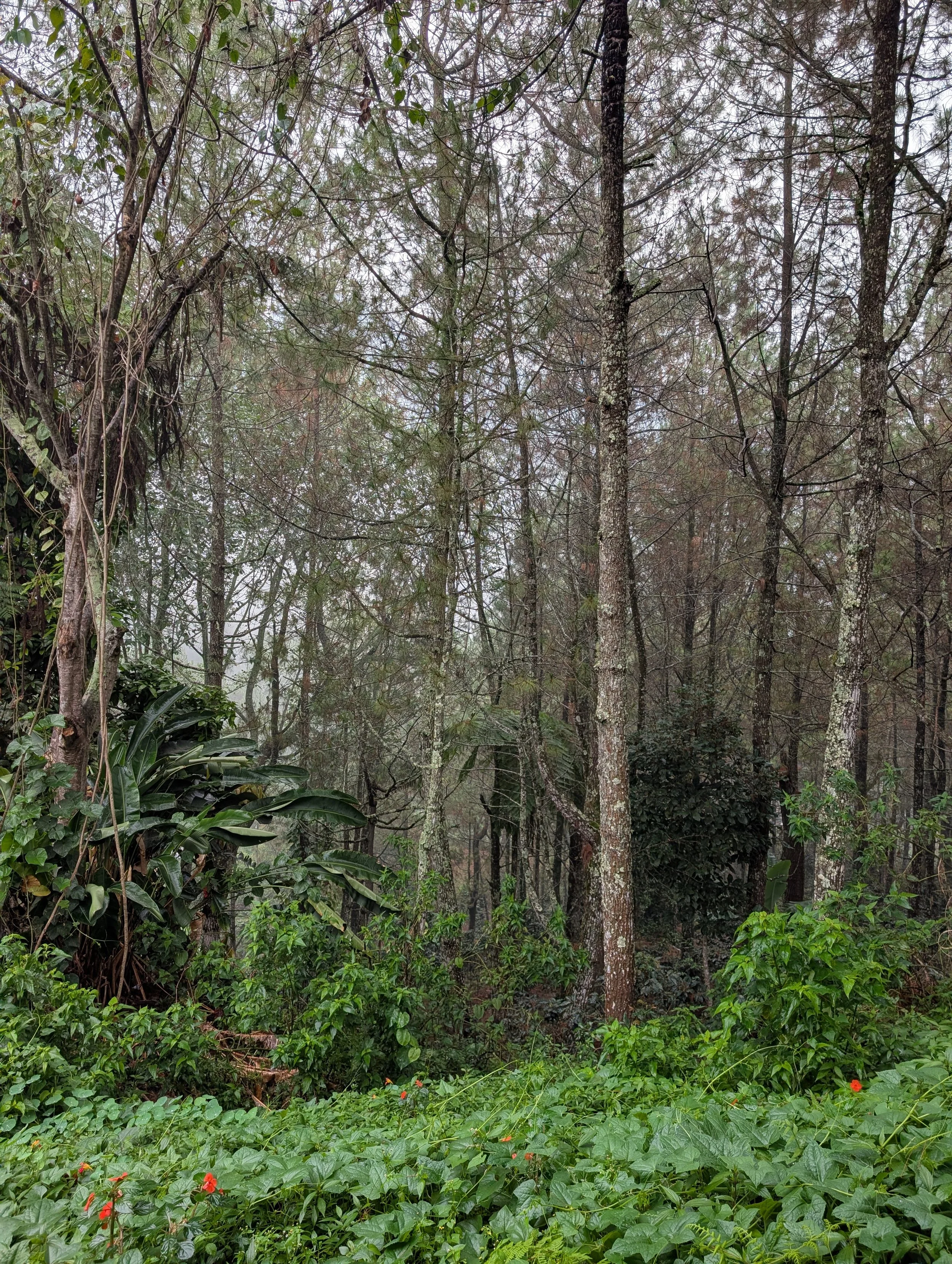
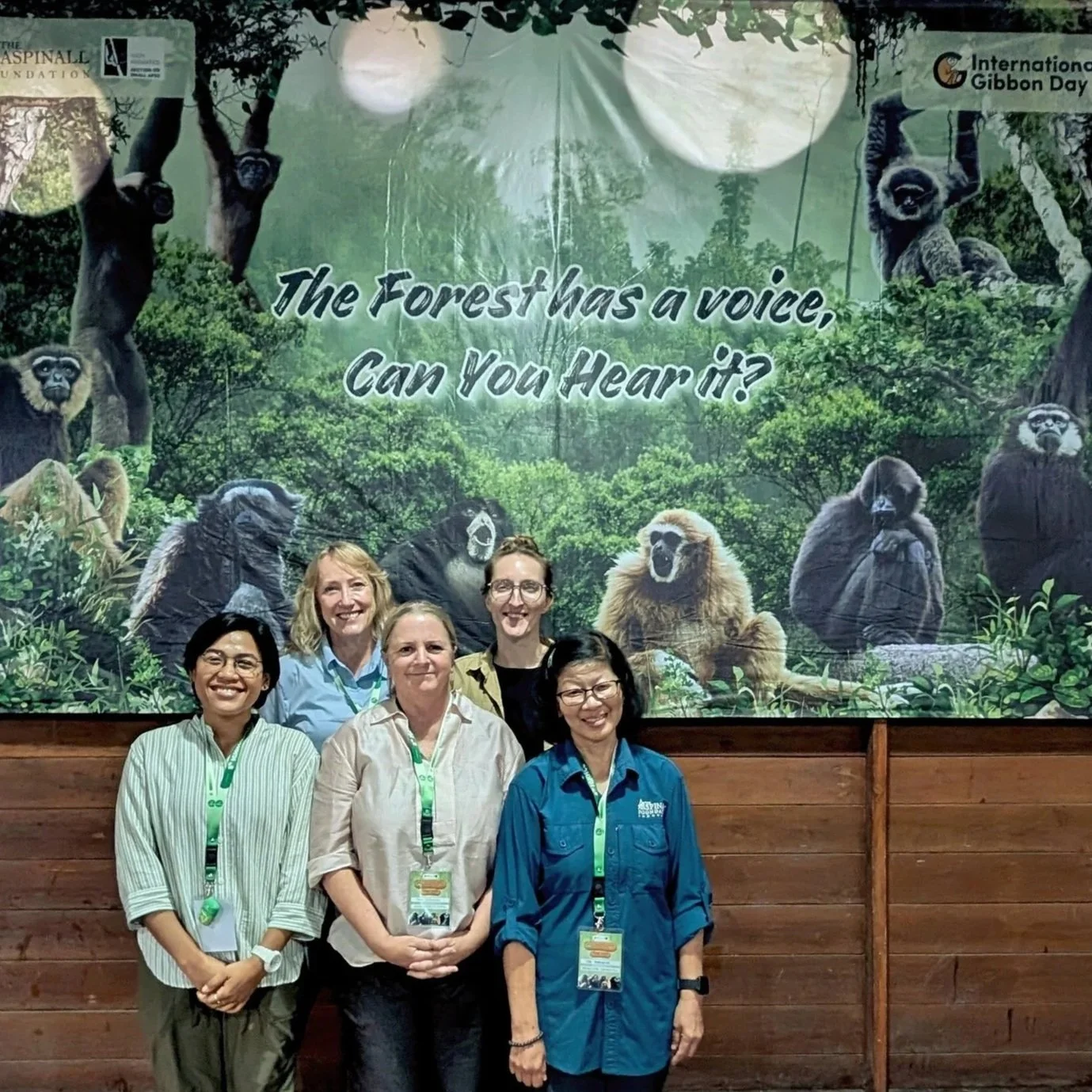
GHI recently participated in the 5th International Gibbon Health, Husbandry, and Conservation Conference in Bandung, West Java, Indonesia. The conference was formally hosted by the Aspinall Foundation and Javan Primate Rehabilitation Center (JPRC), and IUCN Section on Small Apes supported range-country gibbon veterinarians and rehabilitators to attend. GHI was represented by: Executive Director Dr. Dawn Zimmerman; Regional Coordinators drh. Ida Masnur, Dr. Melody Bomon, and drh. Janipa Saptayanti; and Board members Dasha Maghooli and Dr. Karen Payne. From the conference venue — the beautiful Econique Patuha Resort — we could hear the morning chorus by these amazing singing apes!
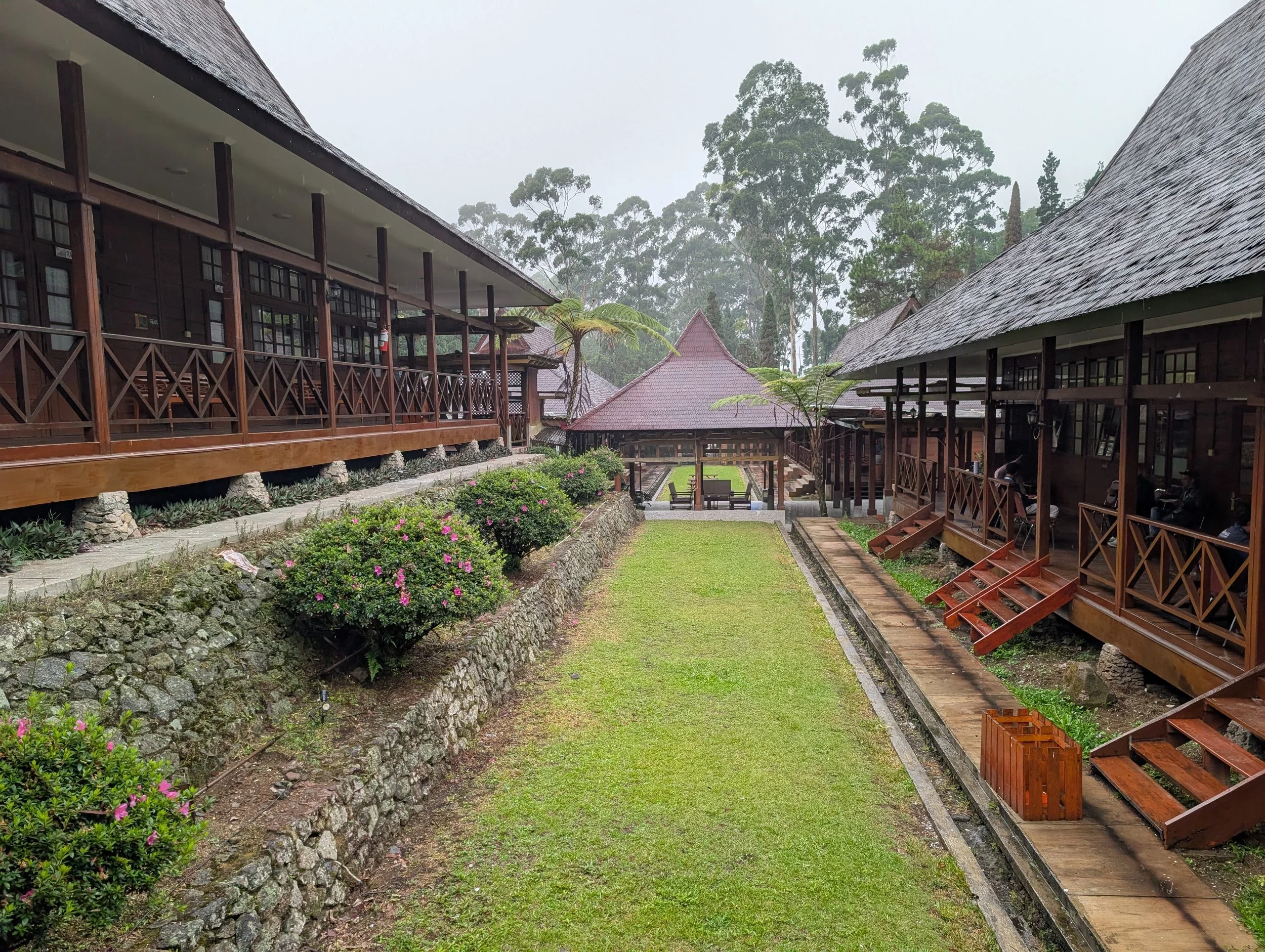
The conference was hosted at the beautiful Econique Patuha Resort in Bandung, at the start of Indonesia’s rainy season.
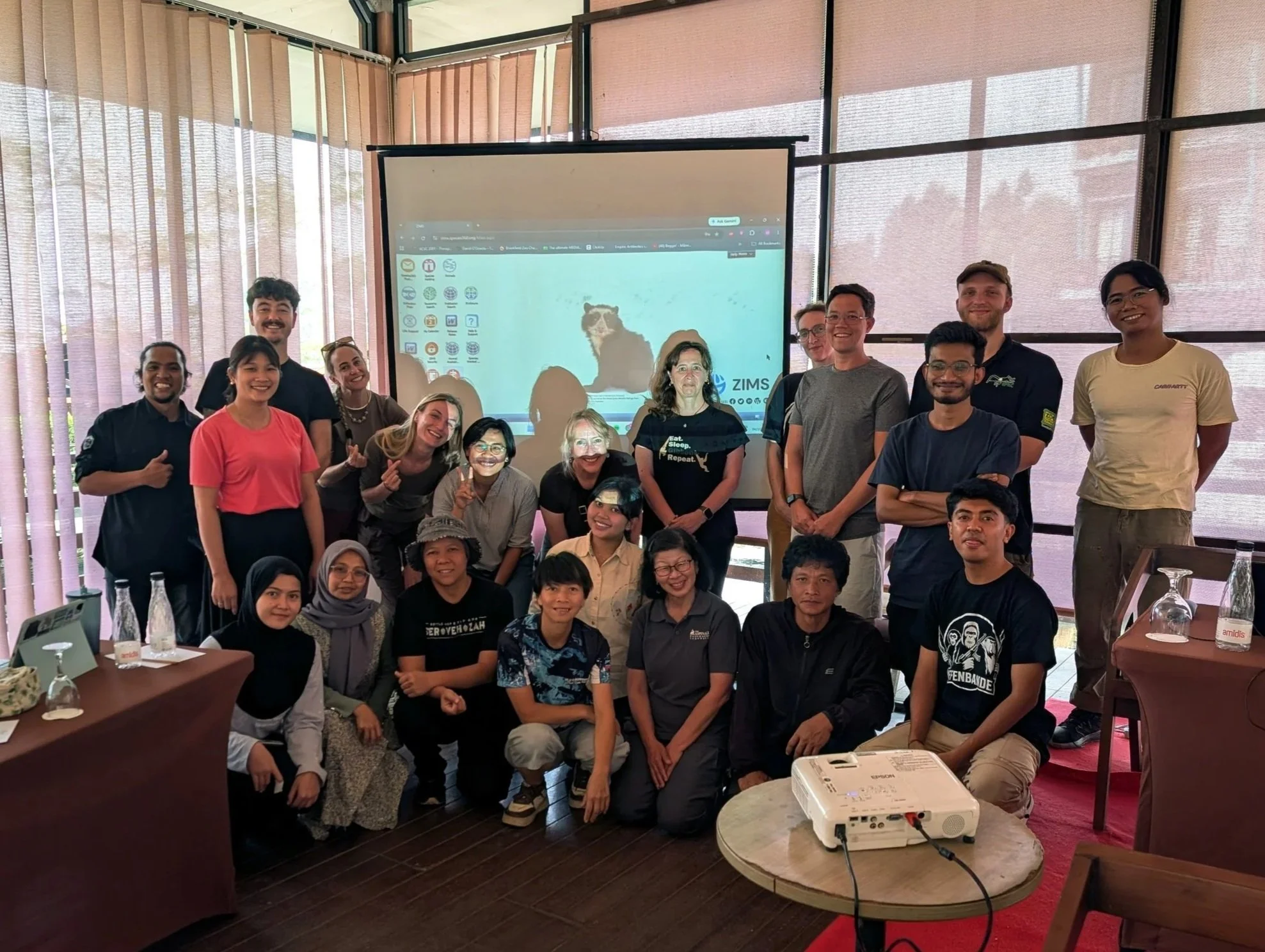
GHI’s programming spanned many topics. On Day 1, Drs. Karen Payne and Melody Bomon delivered the next installment of GHI’s ZIMS training. Picking up where the February ZIMS session left off, this training gathered together 20 gibbon practitioners from 6 countries to share their experiences using this wildlife and zoo-oriented medical record database. Drs. Karen and Melody walked through how to accession new intakes, how to write up medical records, and how to set prescription and recheck schedules. They also shared ZIMS’s many useful features, including a drug dosage lookup tool, global species weight and blood parameter references, and customizable templates for medical notes.
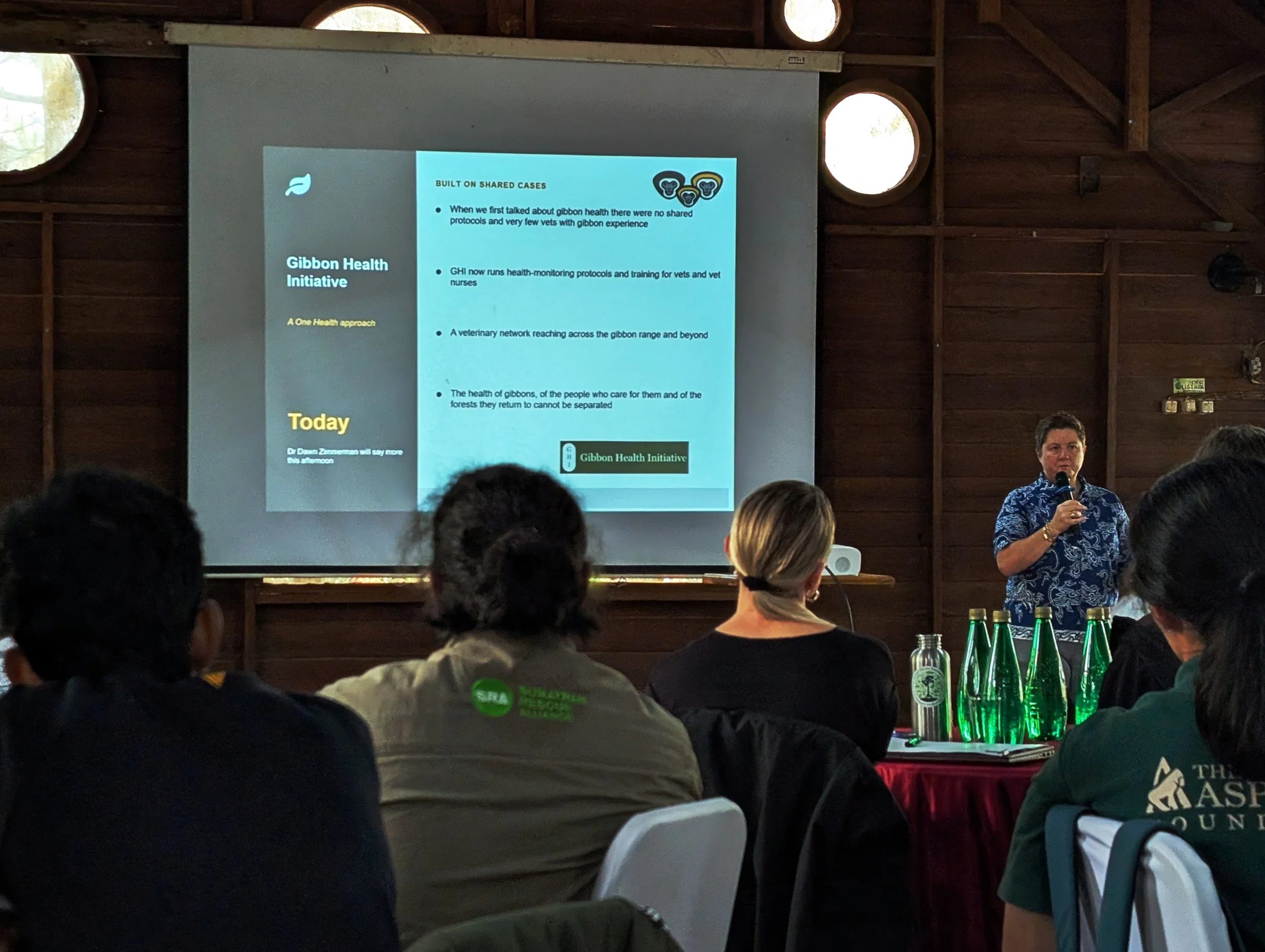
On Day 2, Dr. Dawn shared updates from GHI’s activities over the past year, including facilitating experiential learning and knowledge-sharing through veterinary internships and site exchanges, and collating veterinary resources on our website. She also delivered updates on active research projects: writing up a chromobacteriosis case series, conducting a gibbon hepatitis B virus study, and putting together gibbon dental aging guidelines and a dental photo library. We also heard updates from gibbon rescue and rehab centers with cases and clinicians whose diagnostic testing or training GHI has supported. On Day 3, we also kicked off our post-release monitoring programming for rehab centers planning to start releasing soon.
Scroll through some photos of GHI’s conference programming:
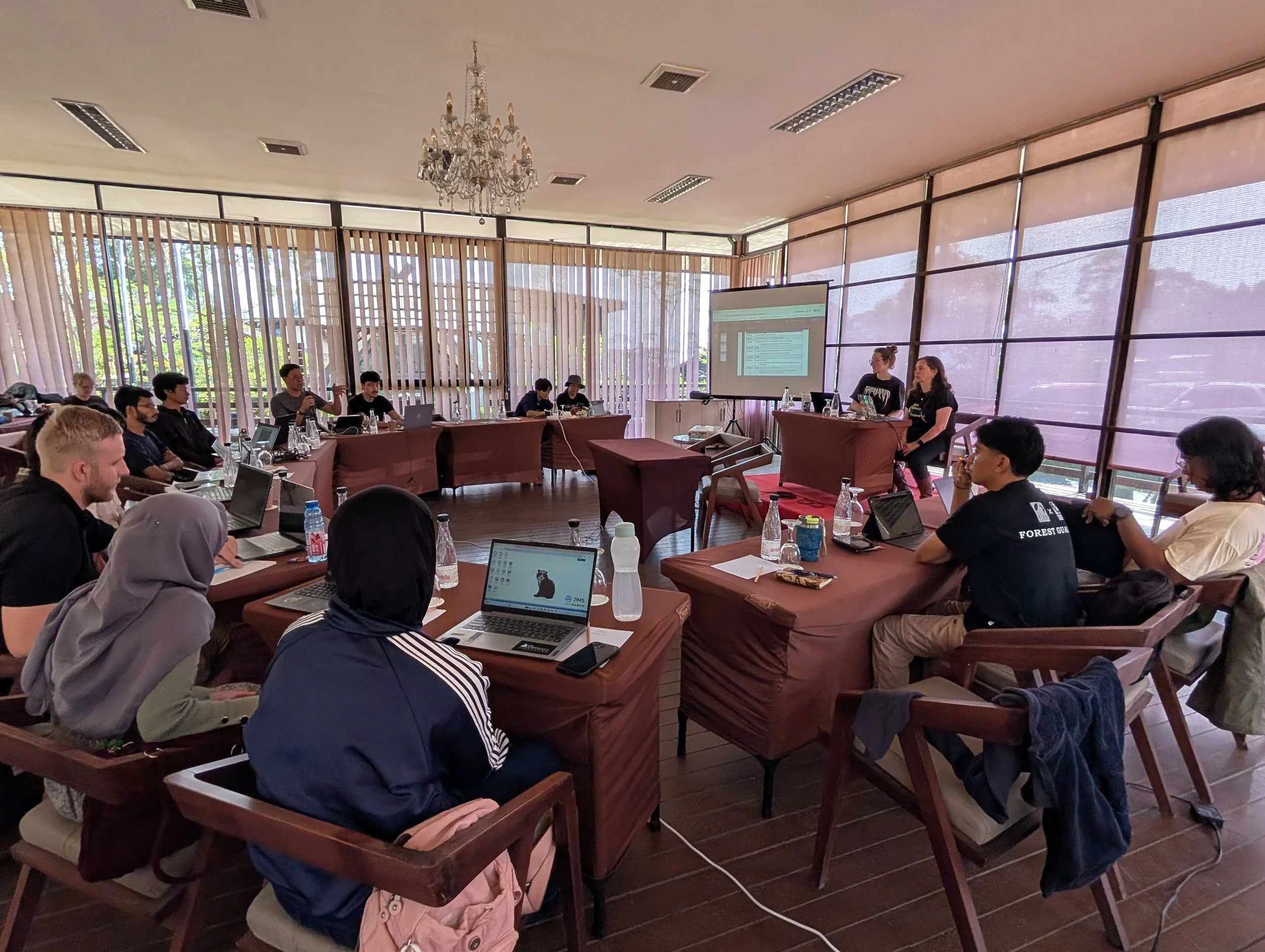
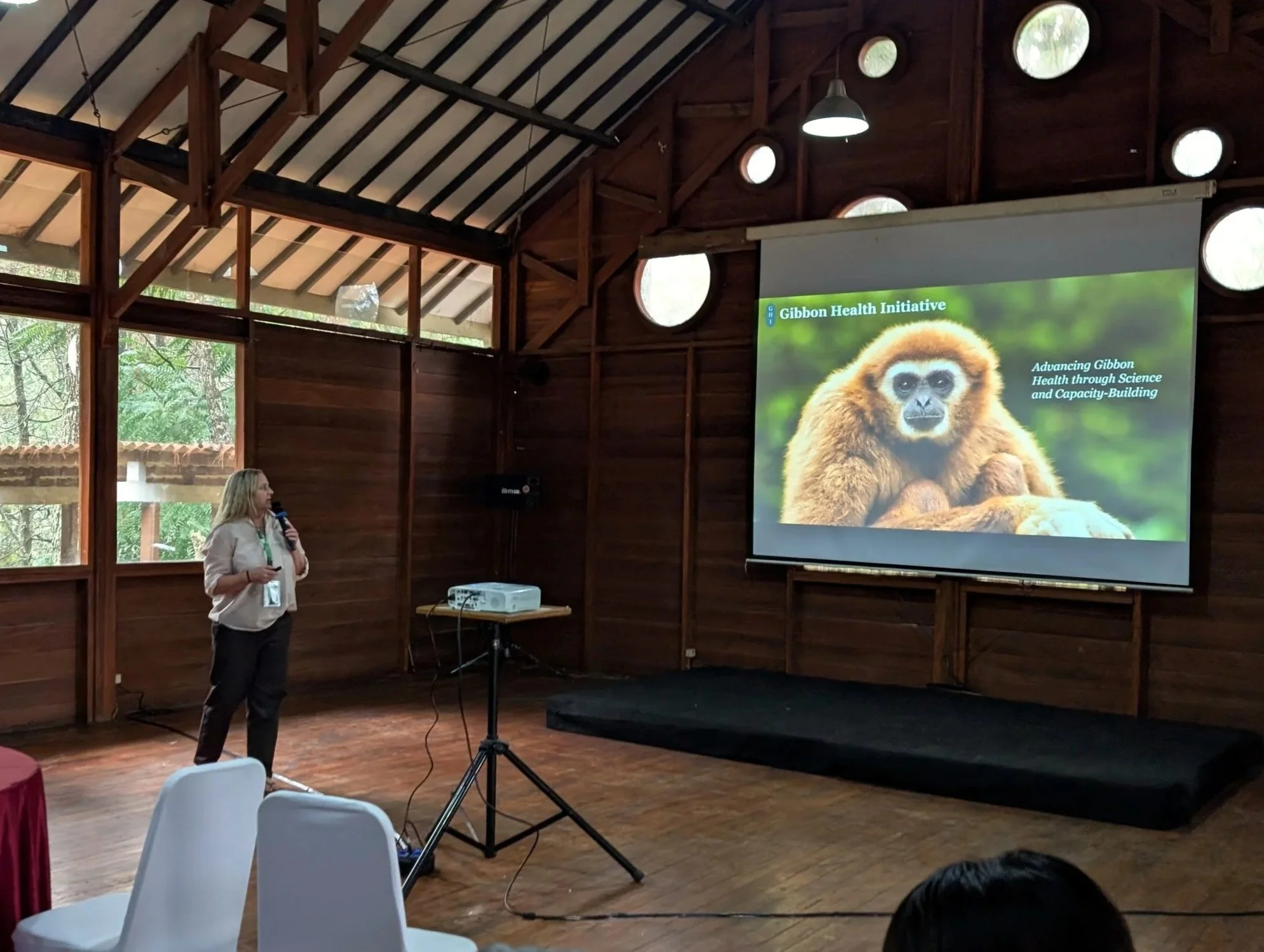
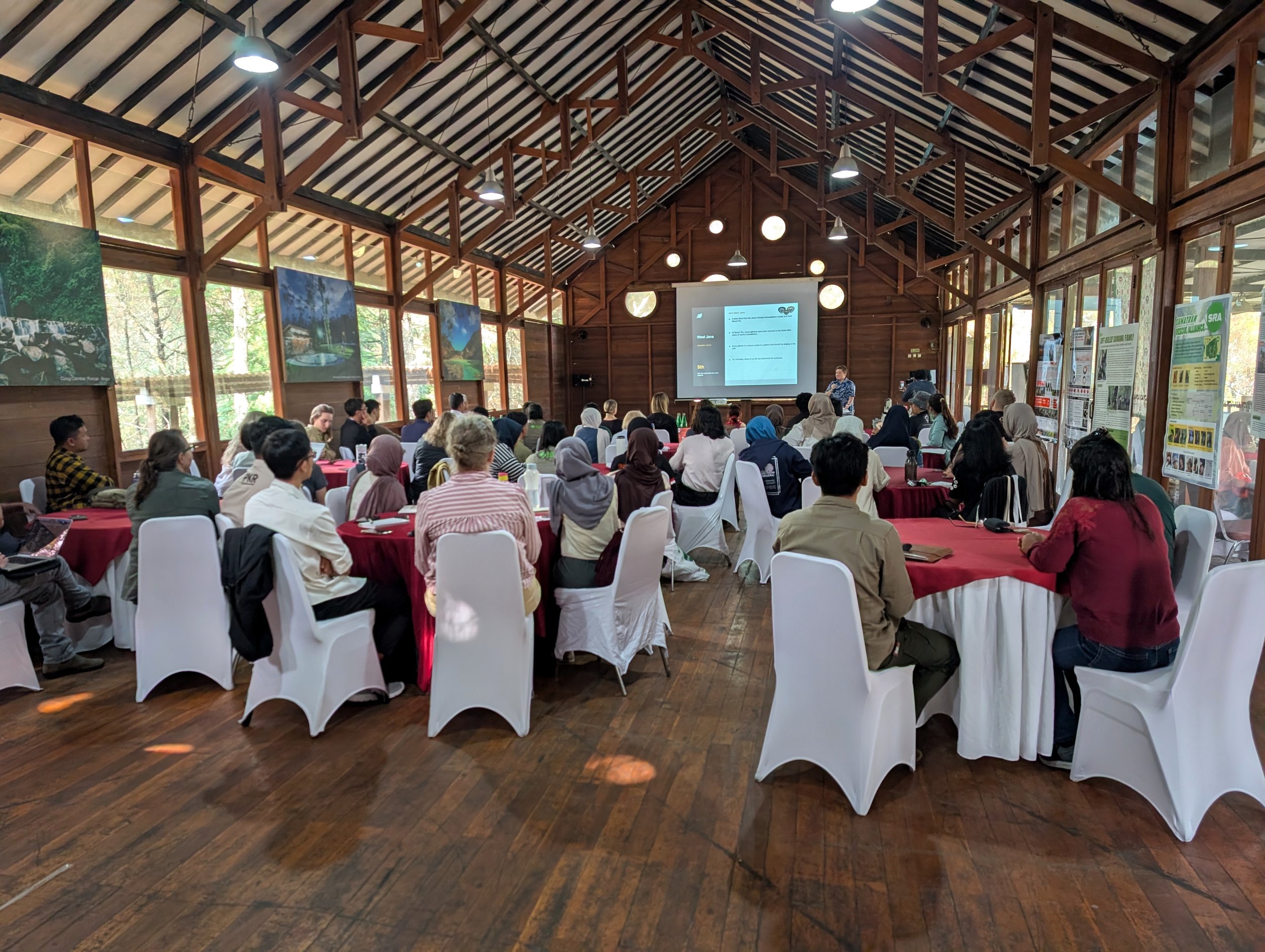
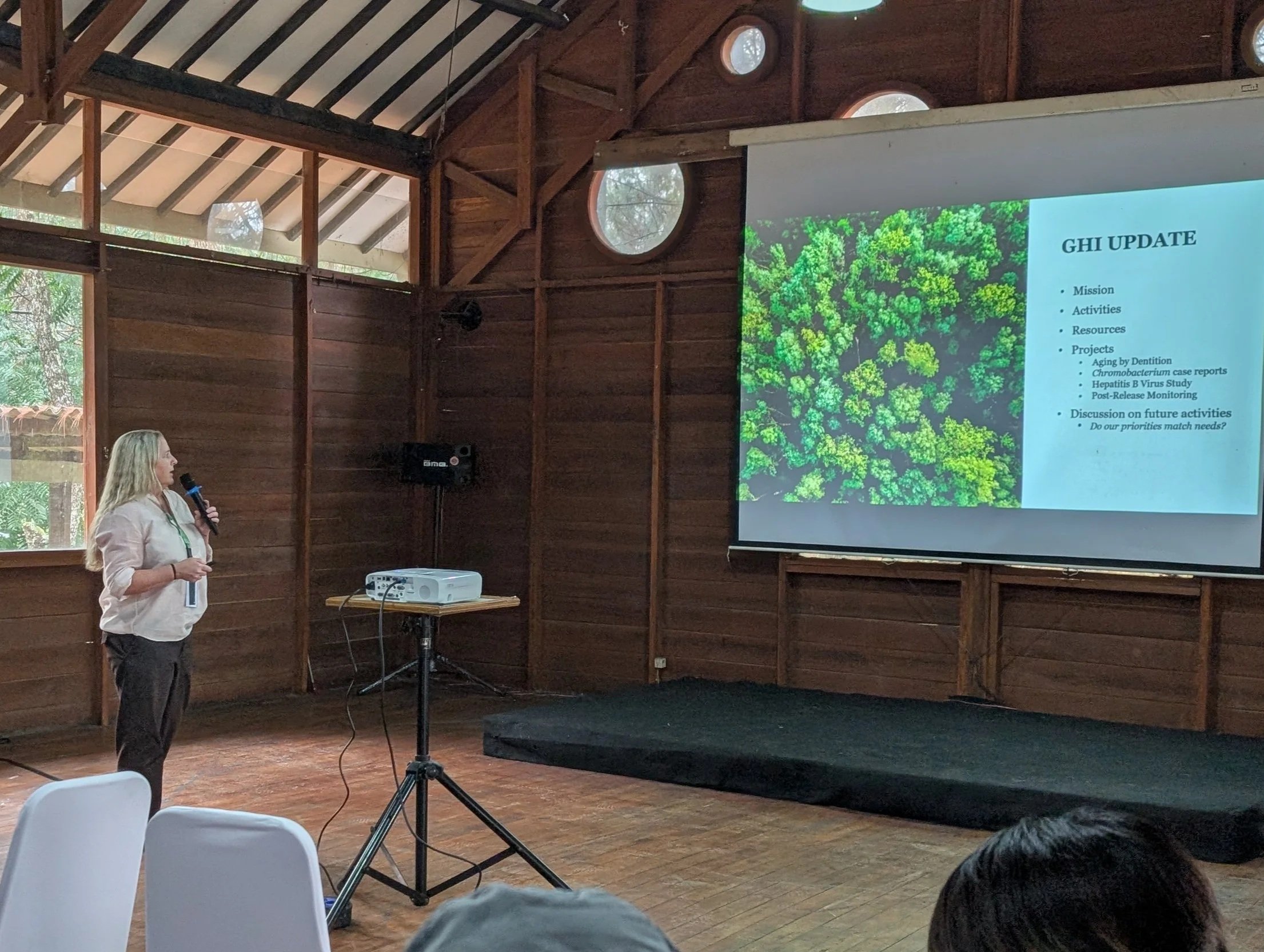
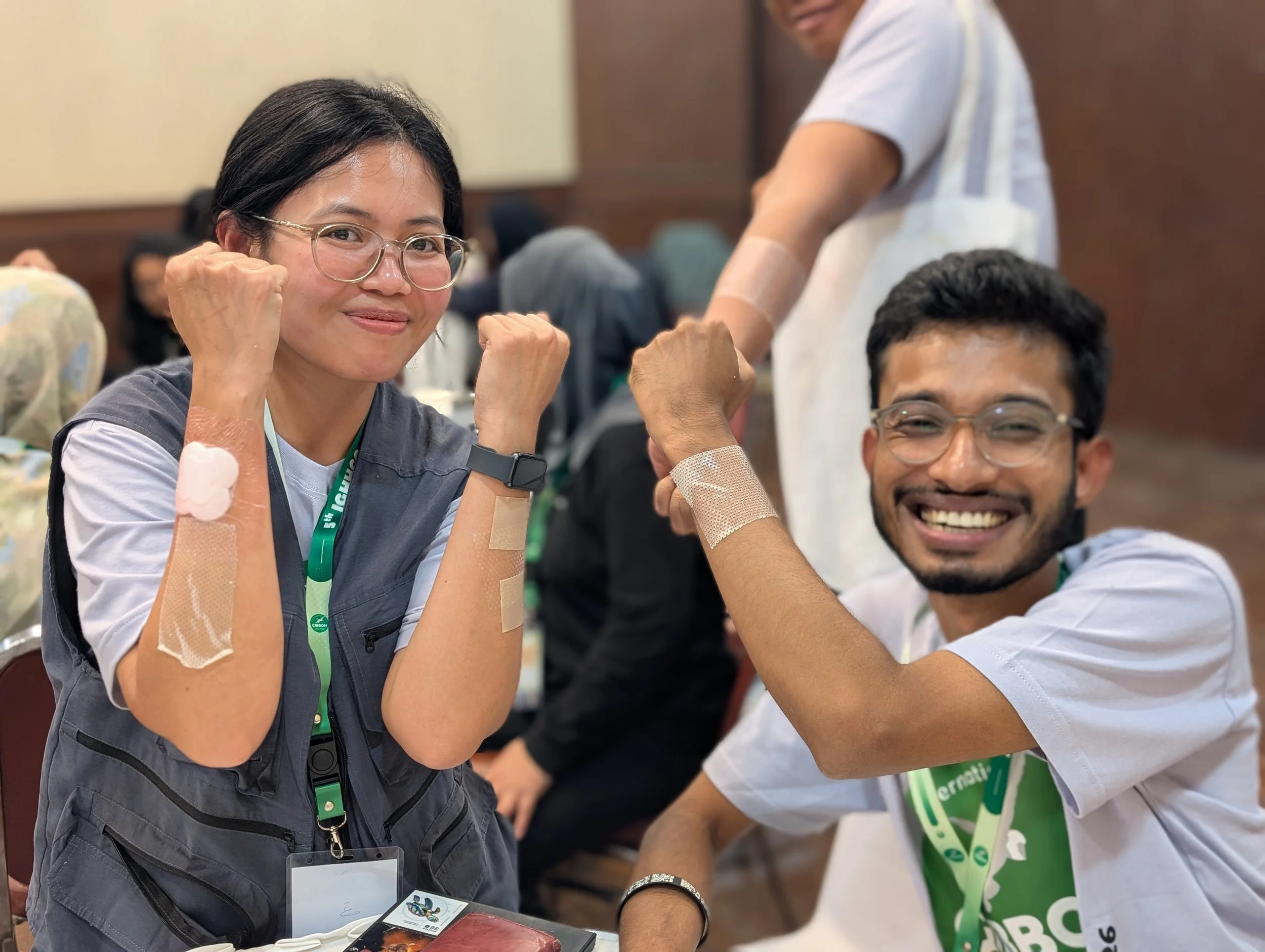
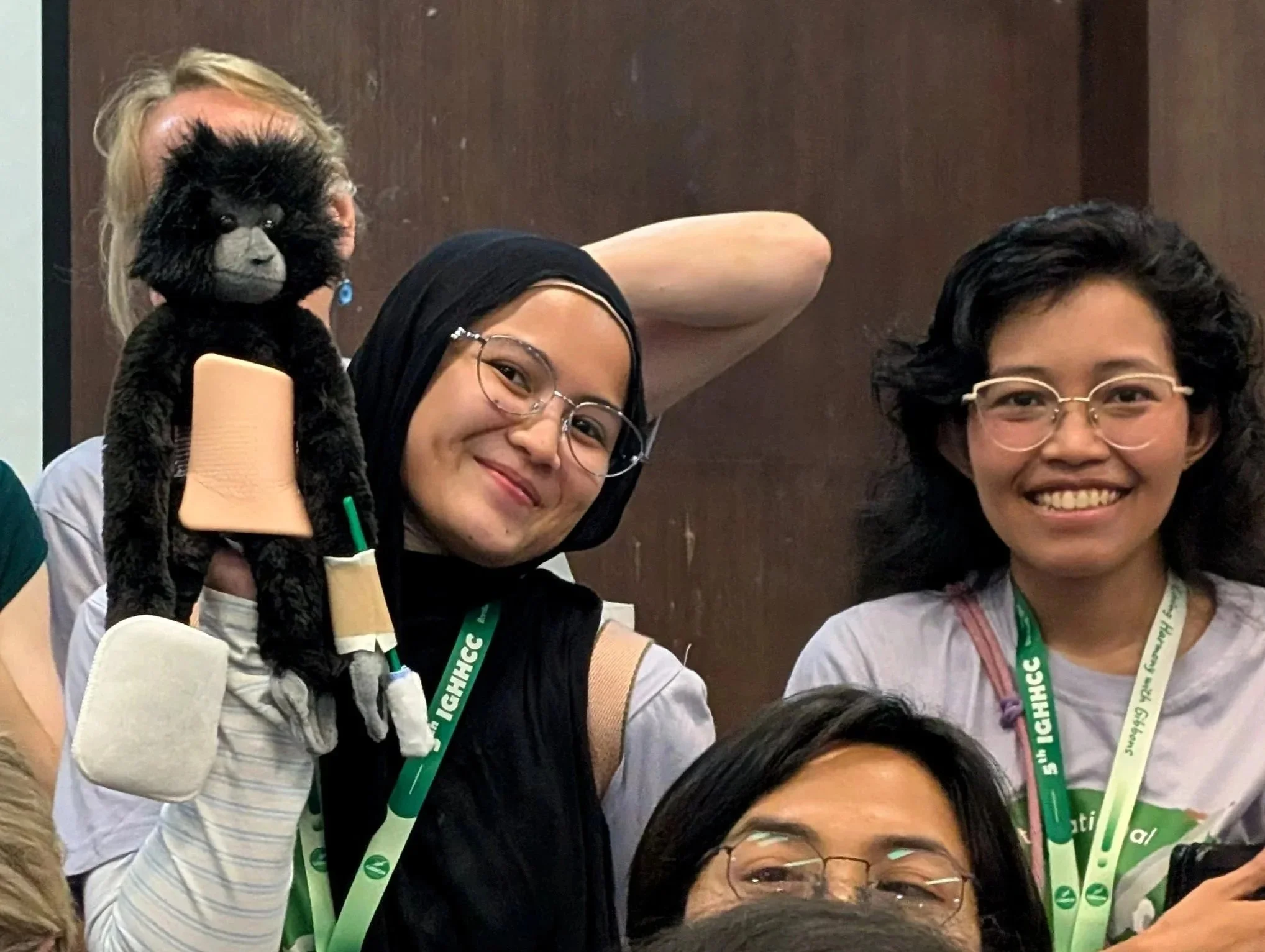
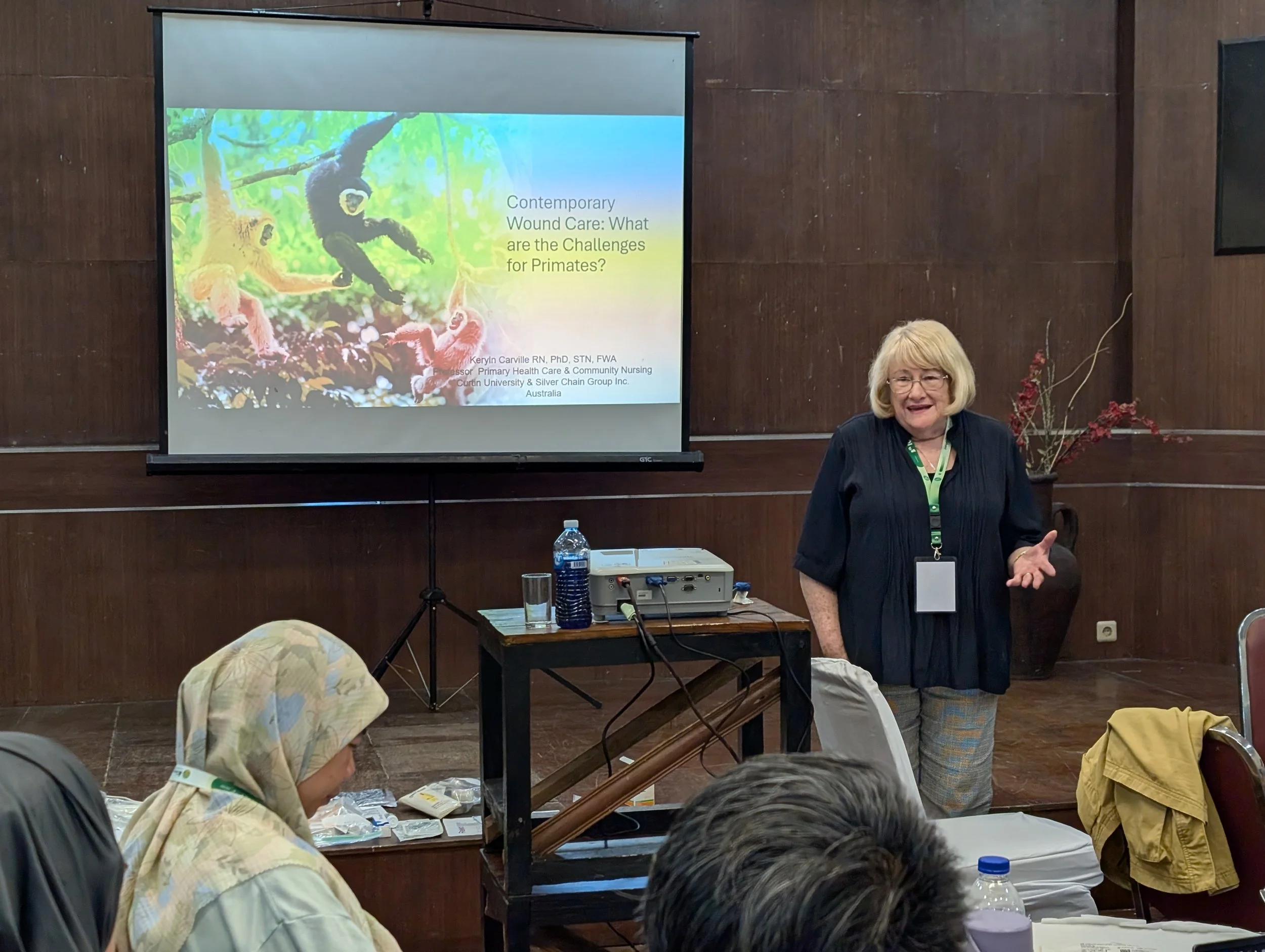
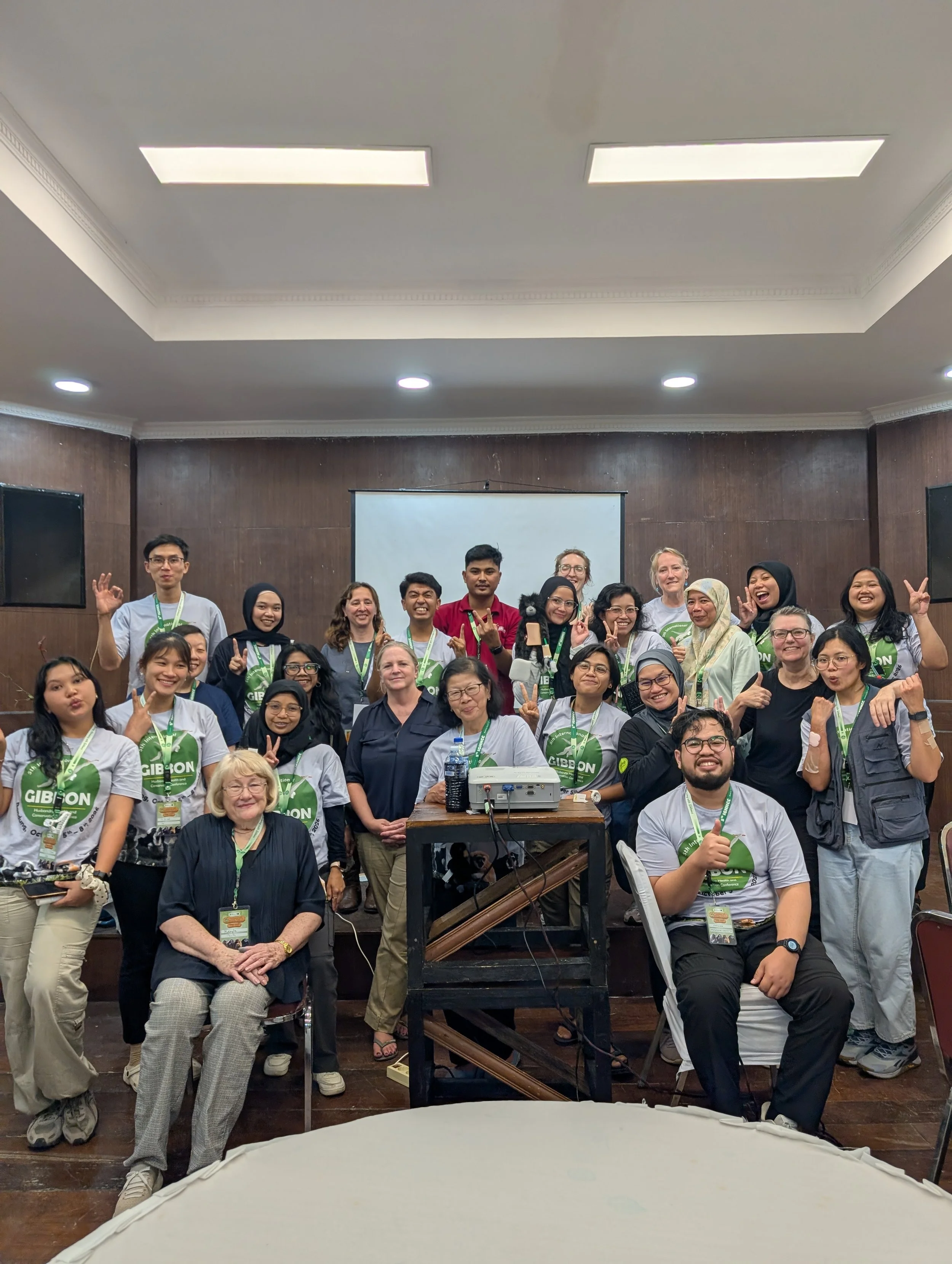
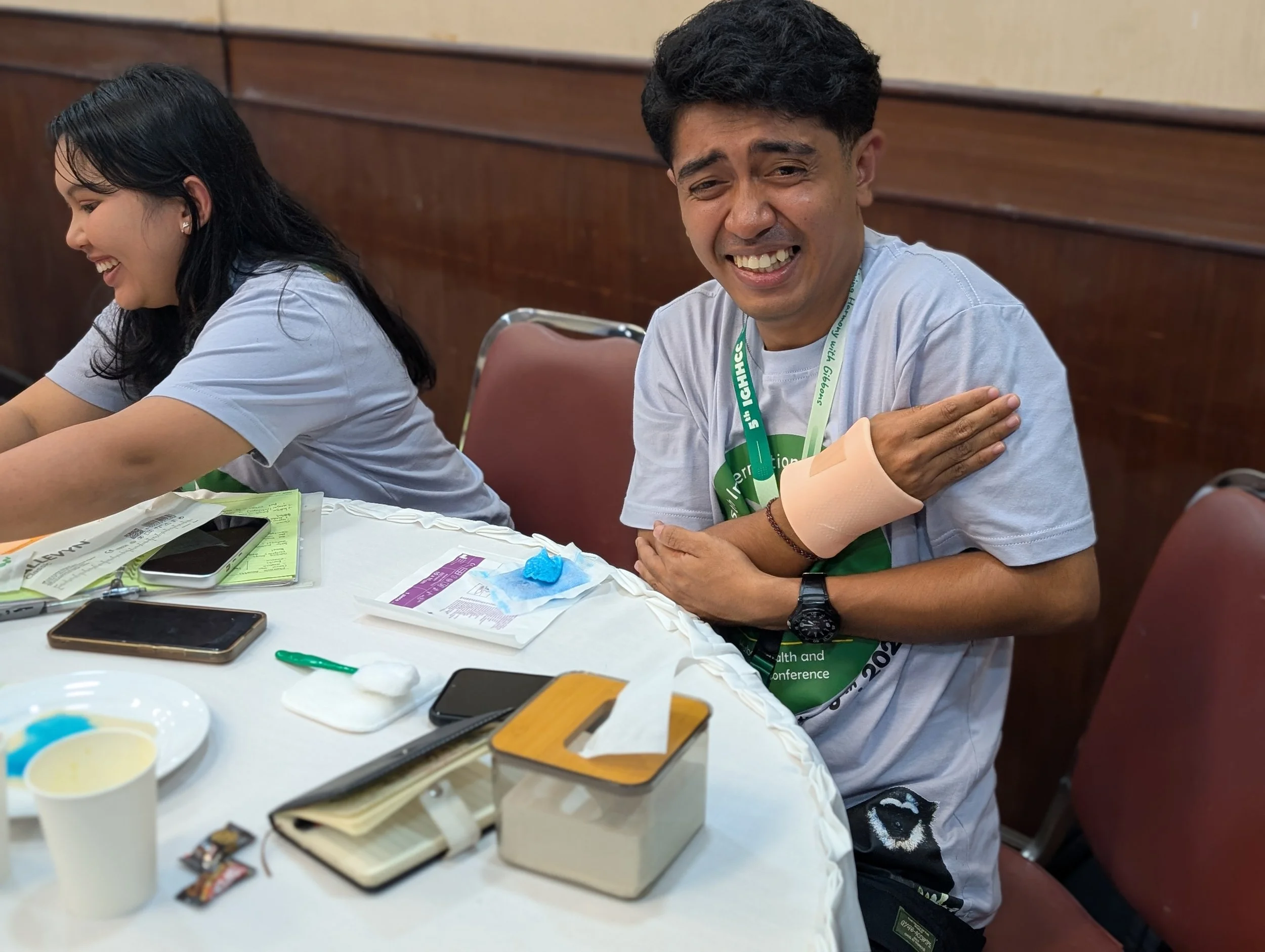
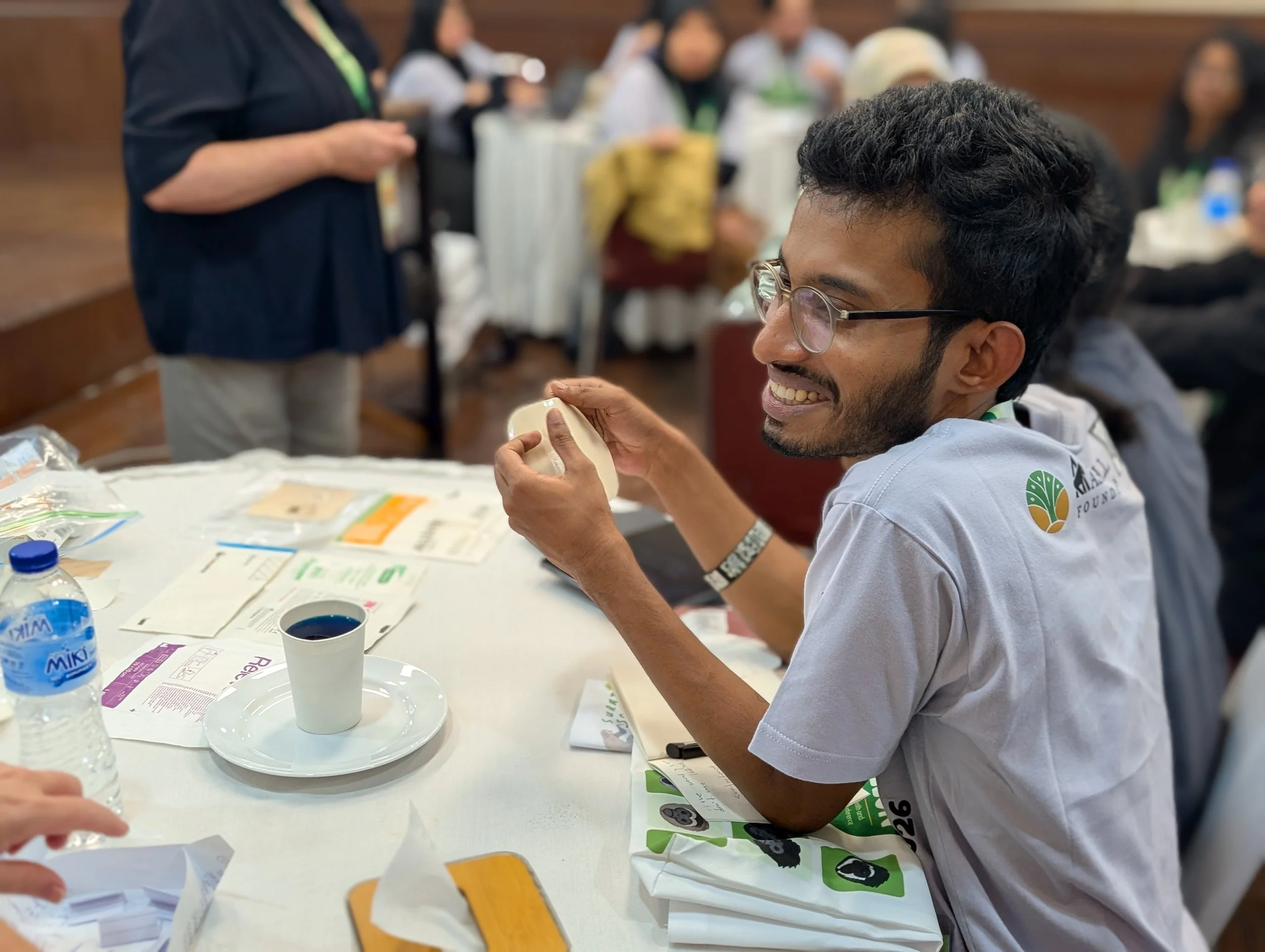
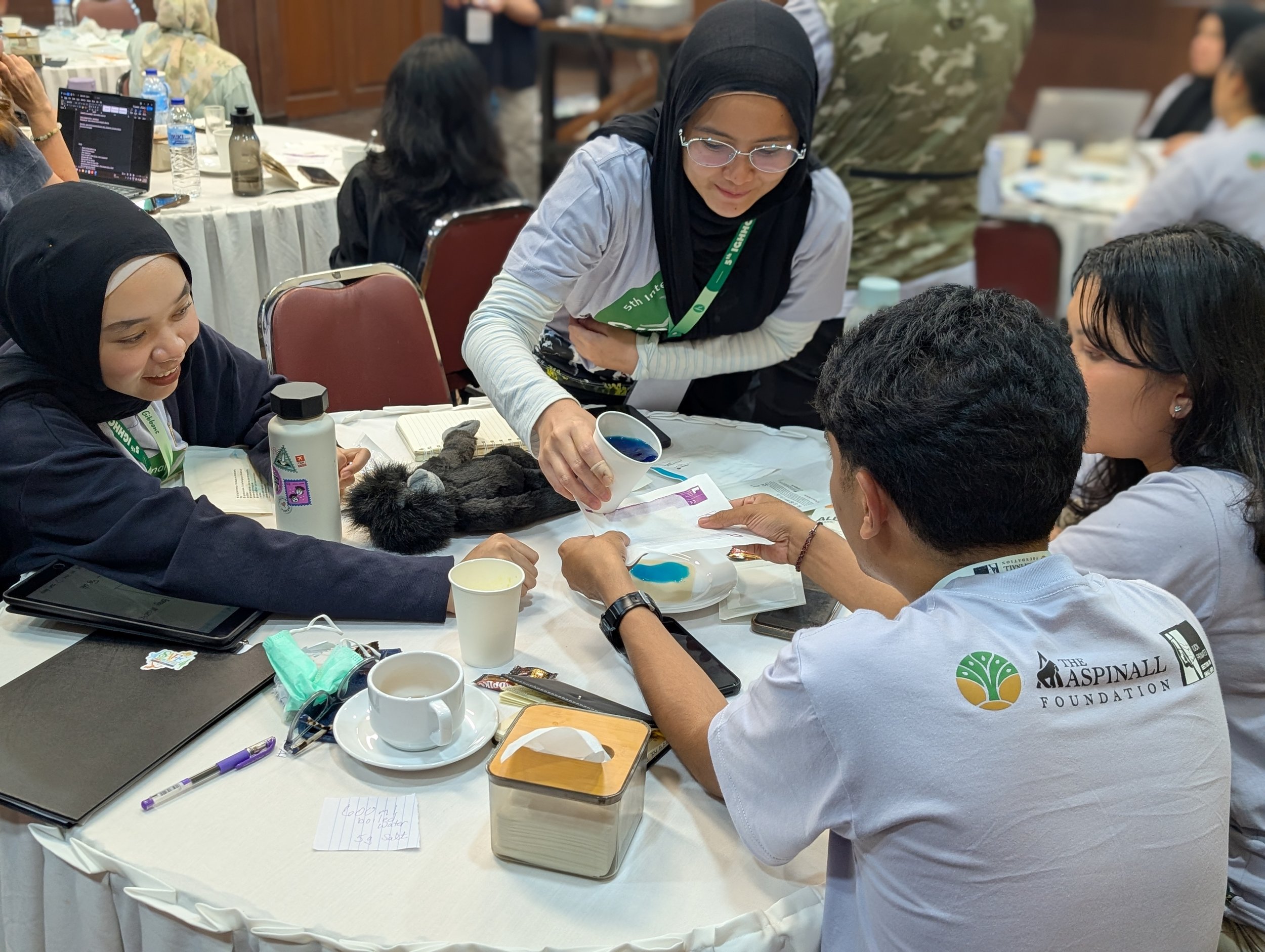
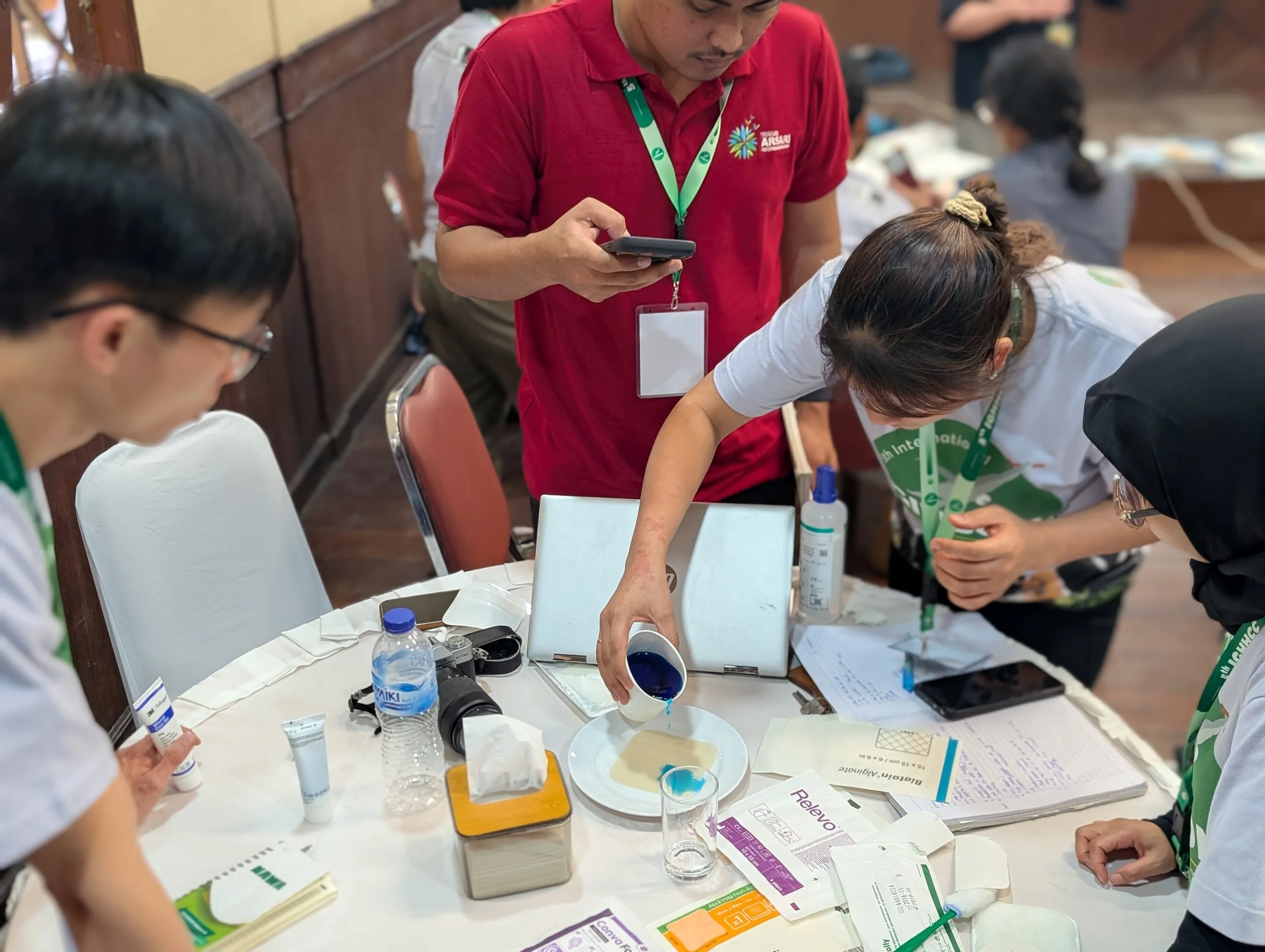
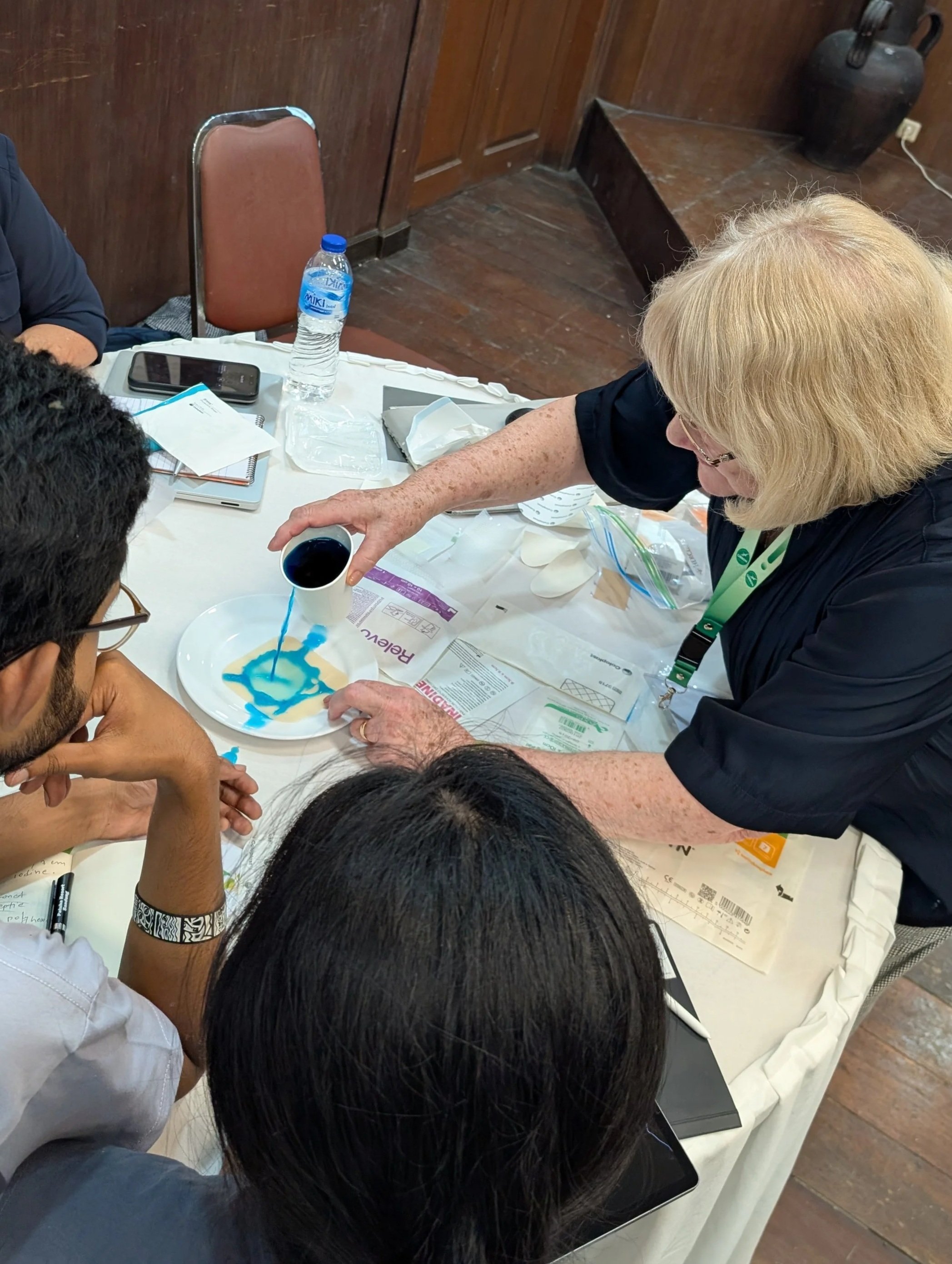
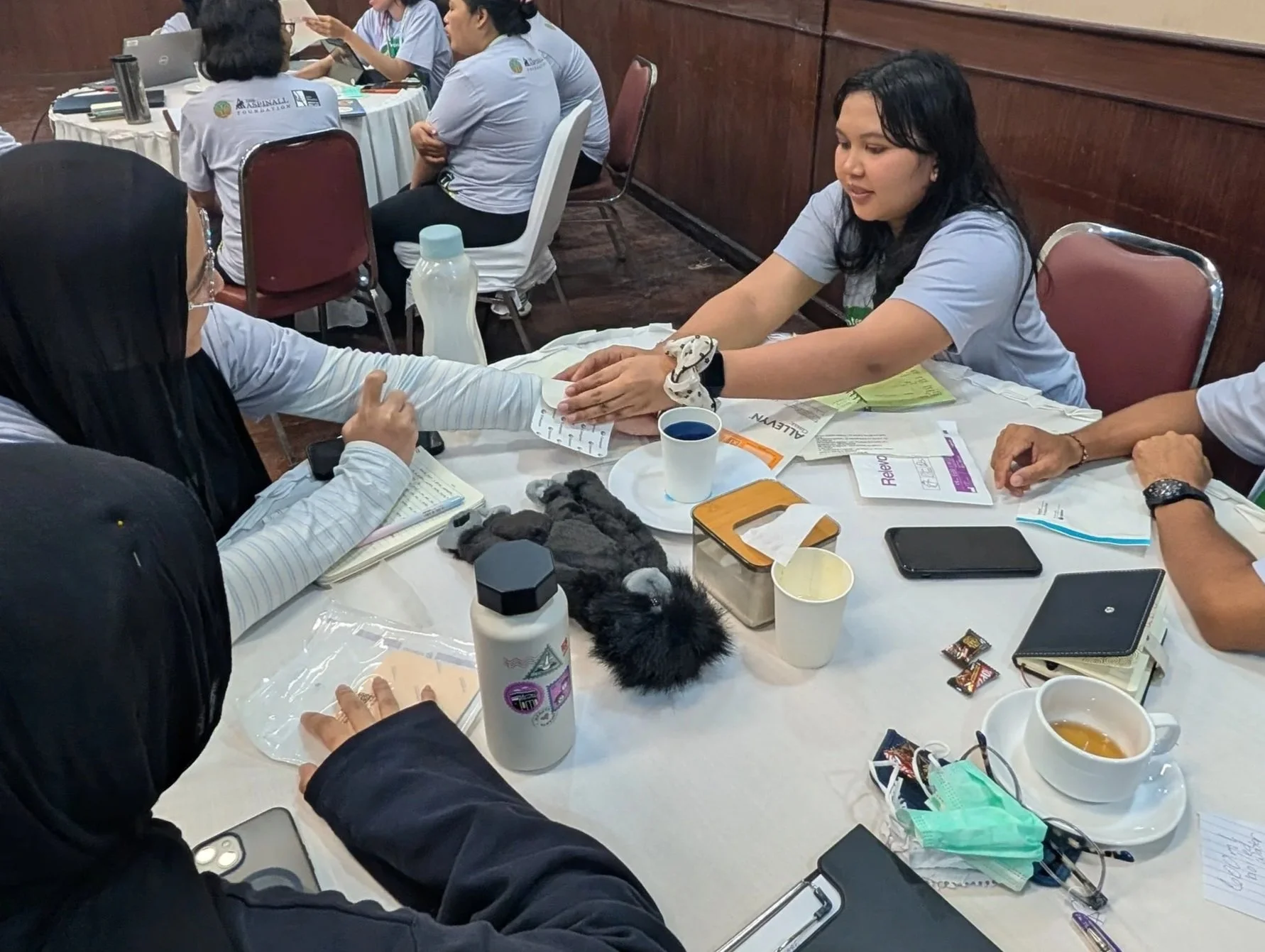
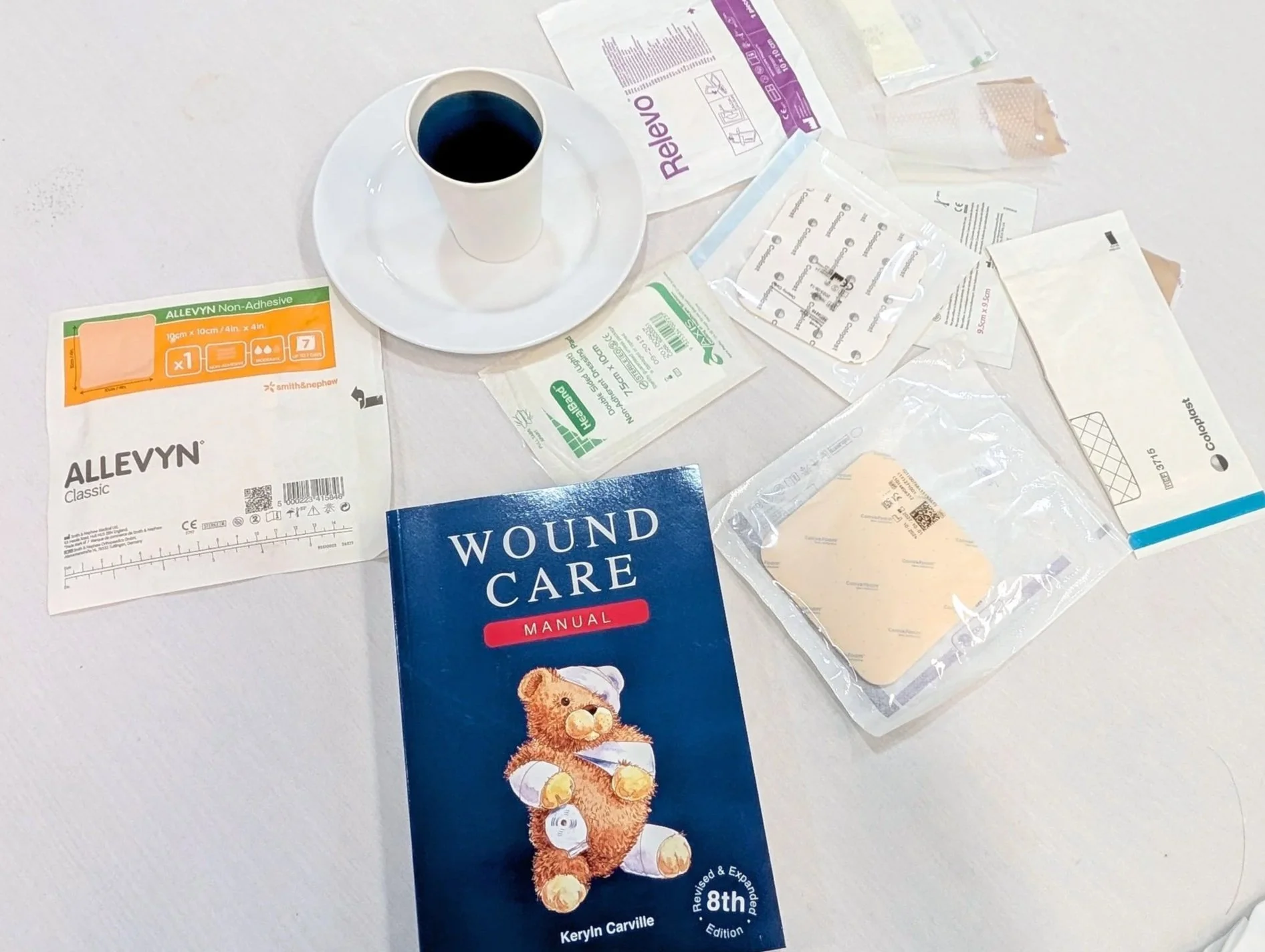
On Day 3, GHI’s invited guest speaker Dr. Keryln Carville also presented a Wound Care Workshop, which was very popular and a resounding success! In her presentation, Dr. Keryln shared contemporary updates on wound treatment and management in humans, and how to adapt these techniques to our primate relatives. During the workshop, participants were introduced to various types of wound dressings and topical products like ointments and hydrogels; they were encouraged to explore their adhesive, absorptive, and hydrophobic properties to consider what types of wounds they would be most effective at treating. Dr. Keryln also generously donated dressings, topical products, and copies of her book Wound Care Manual to distribute to the attending gibbon rescue and rehabilitation centers.
Photos from GHI’s Wound Care Workshop, IGHHCC 2026:
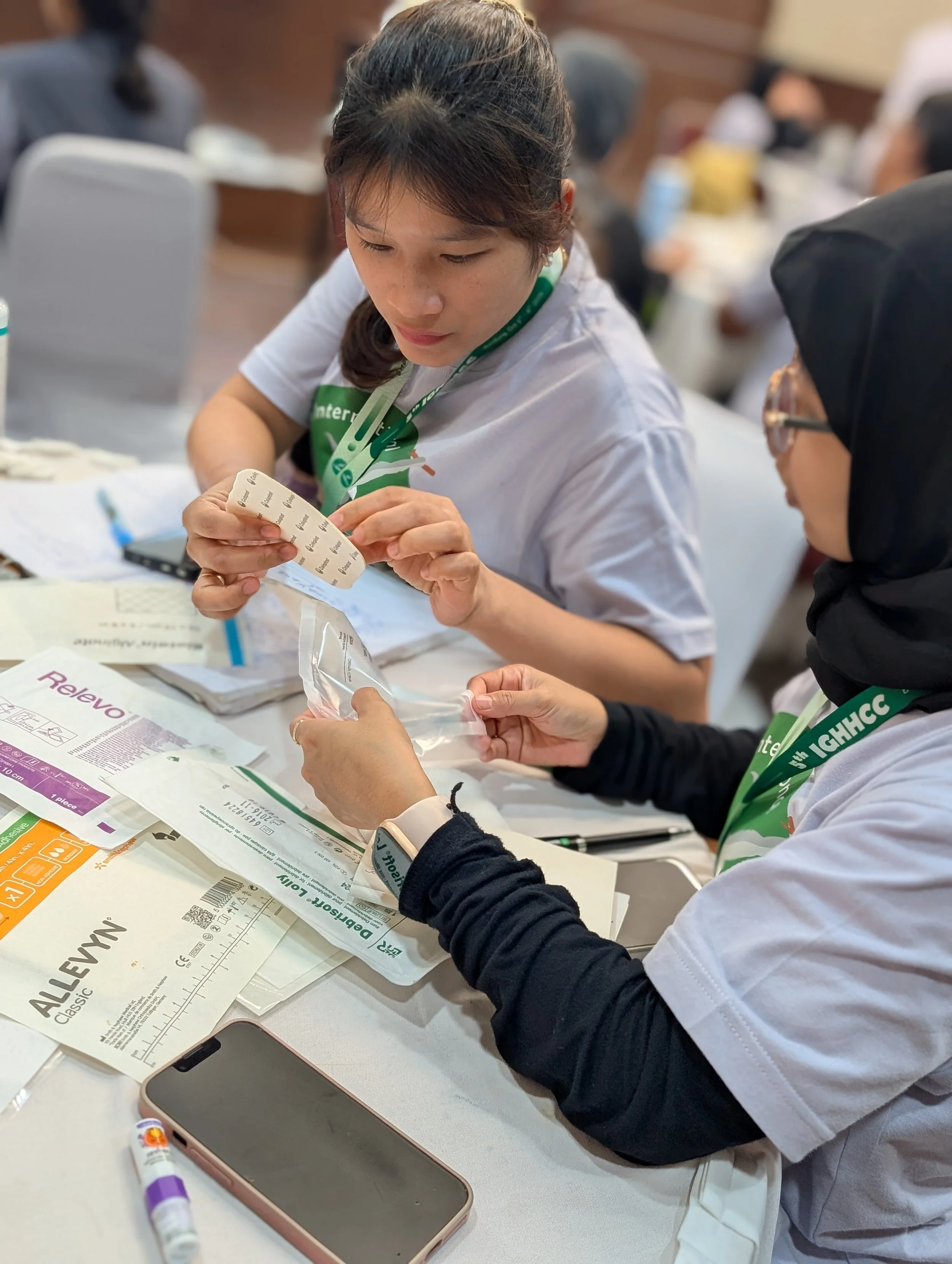
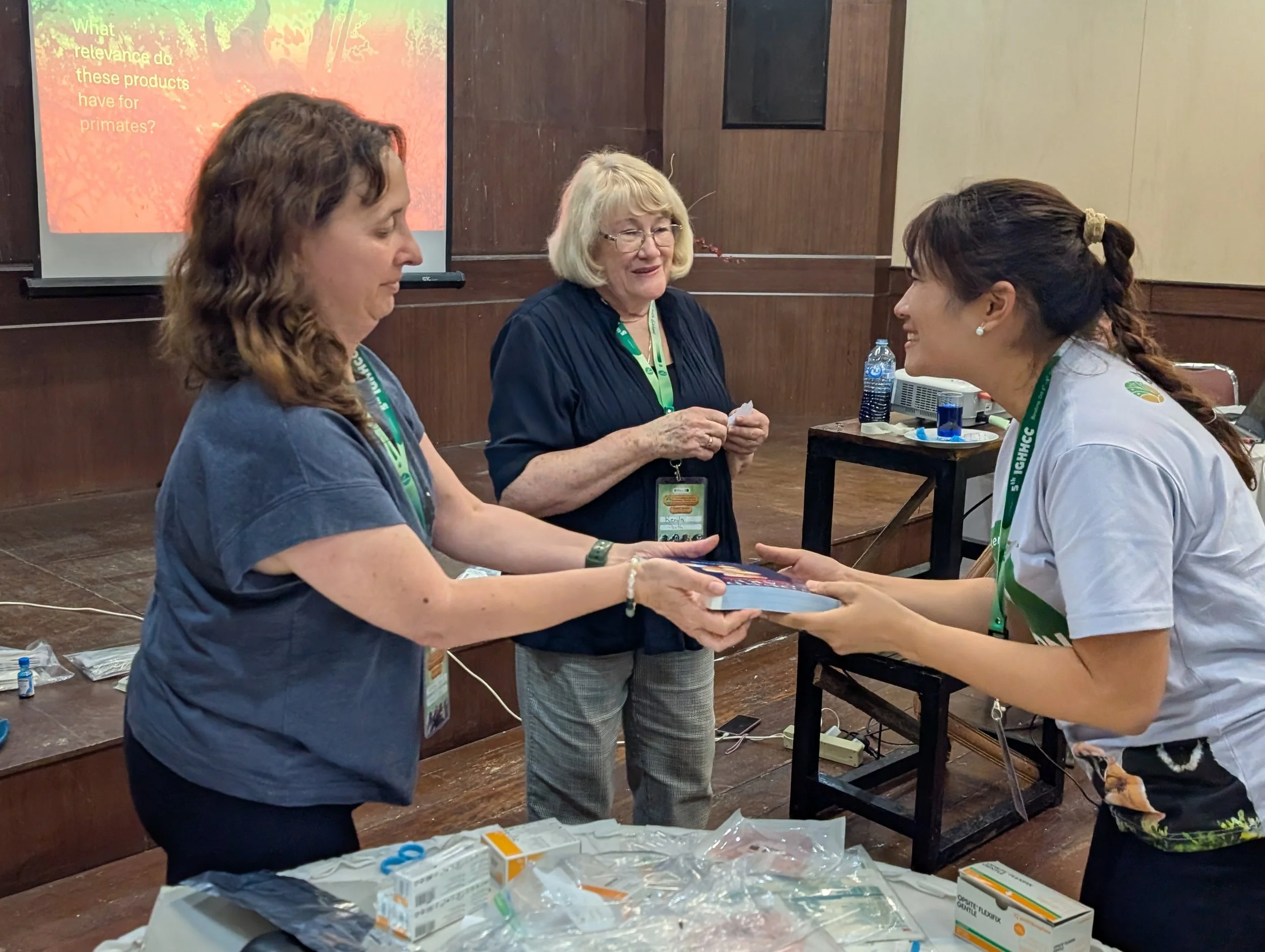
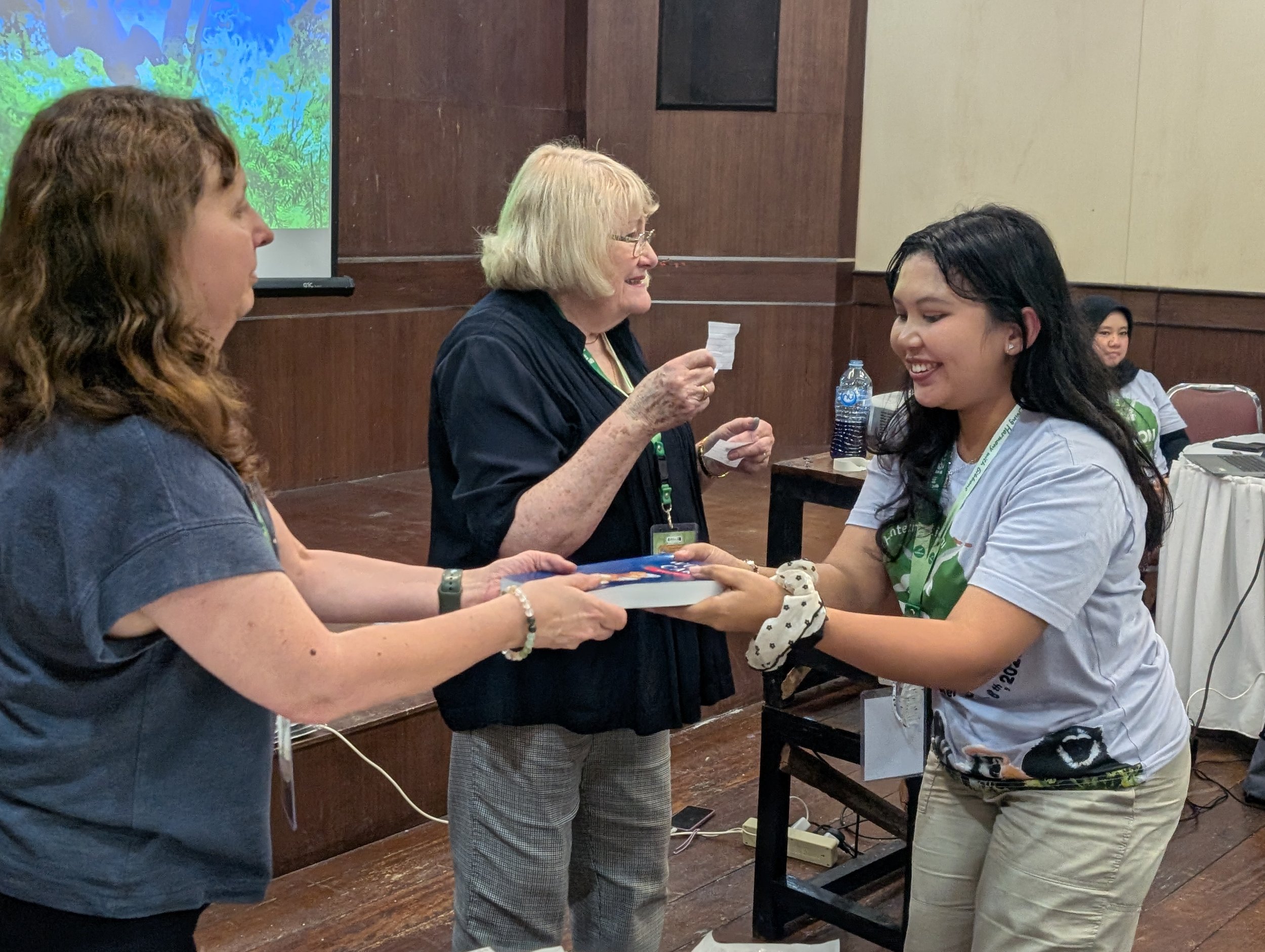
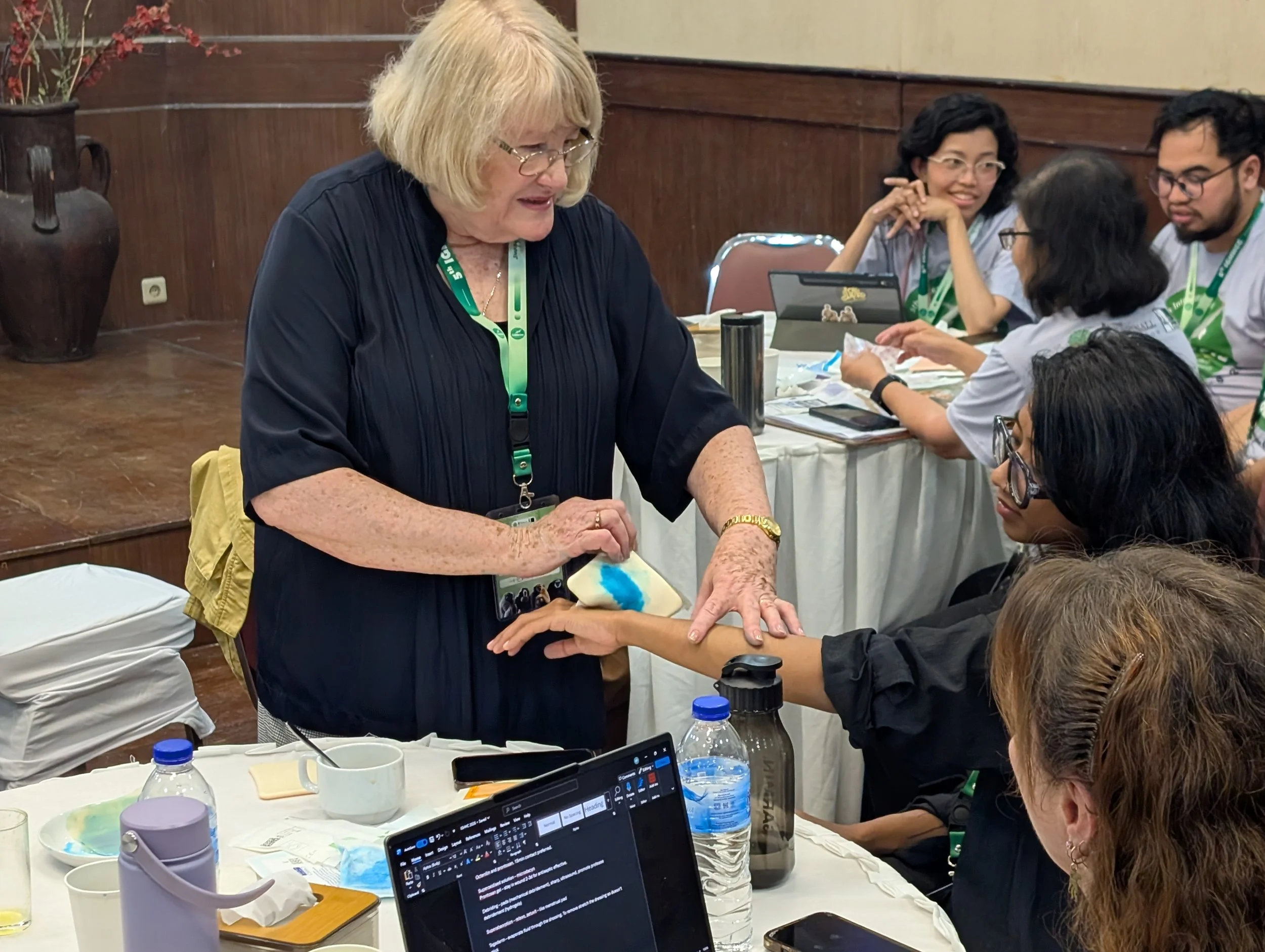
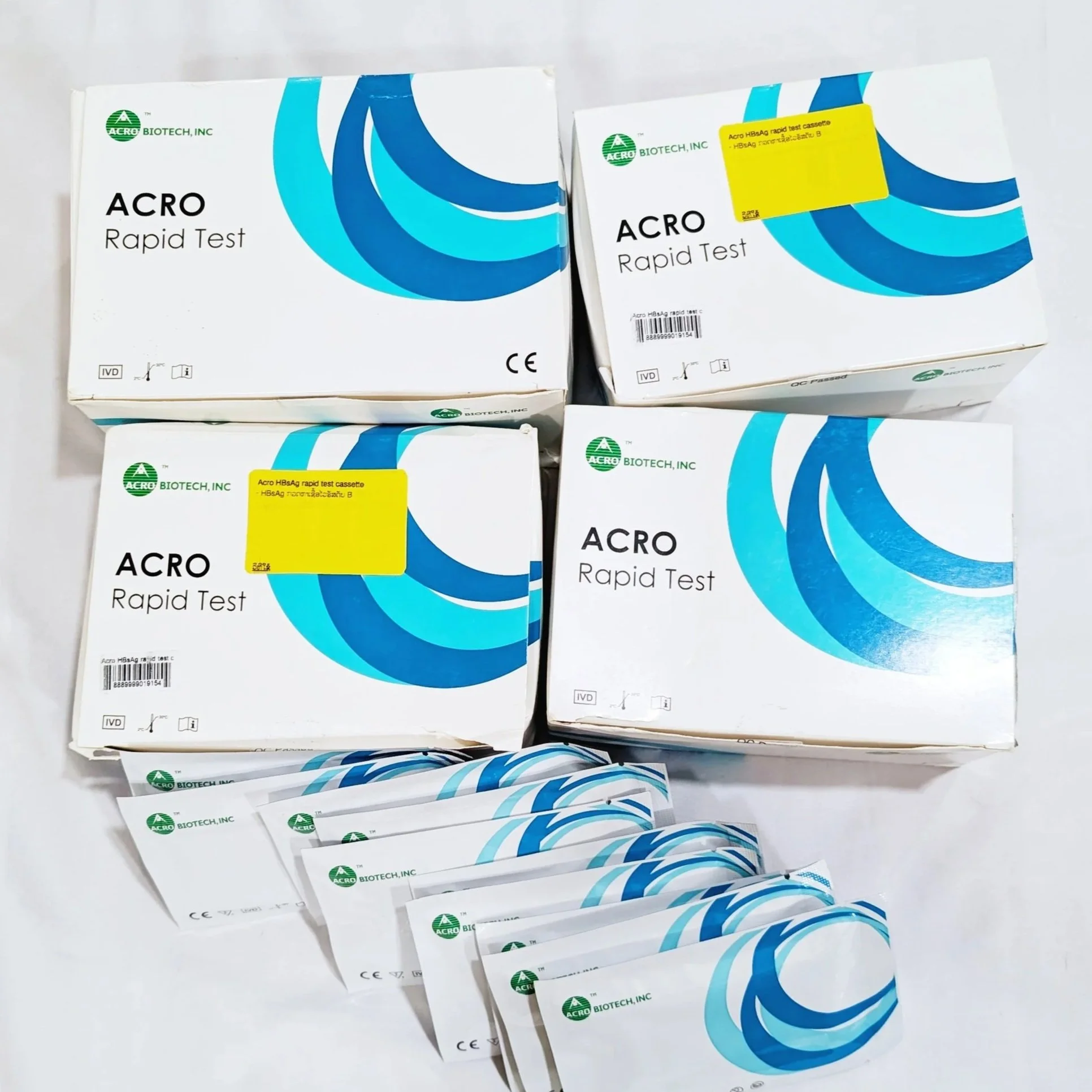
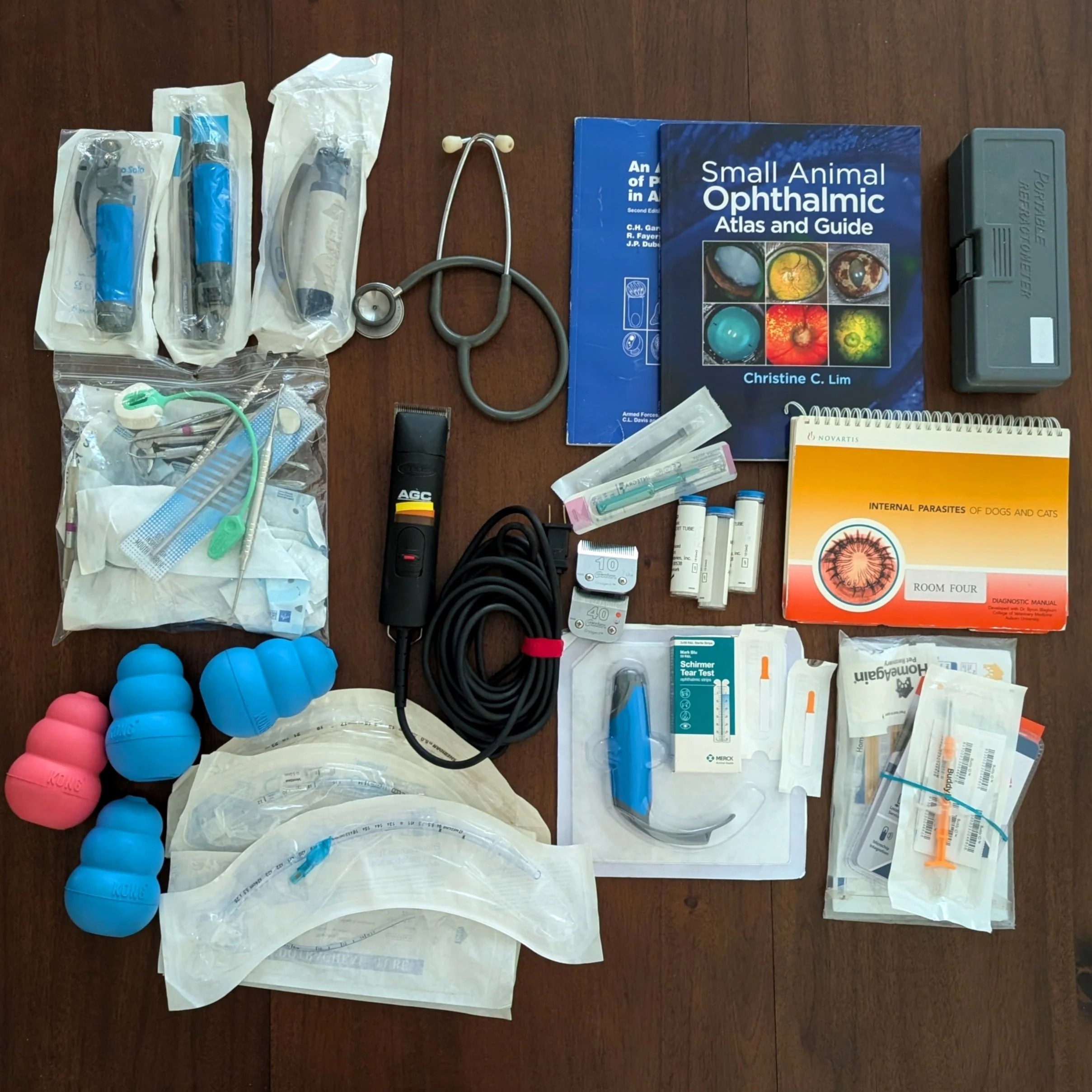
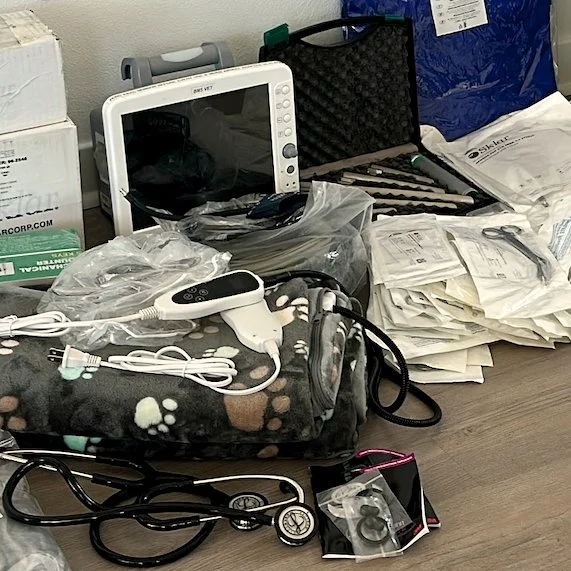
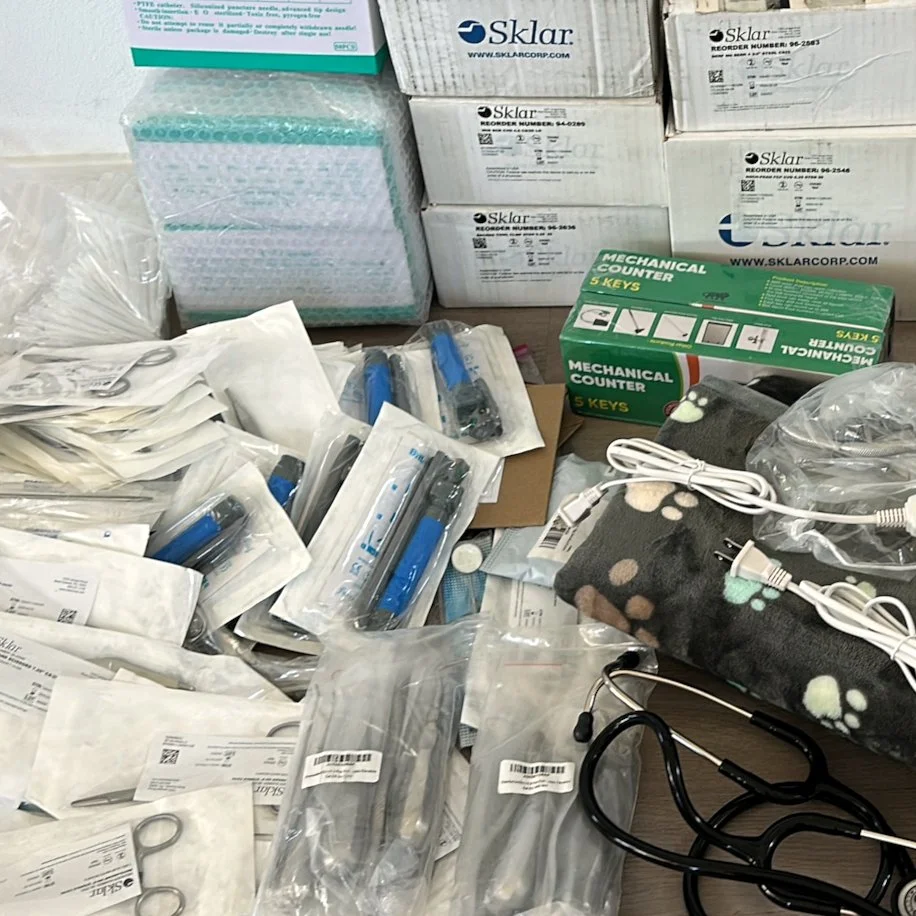
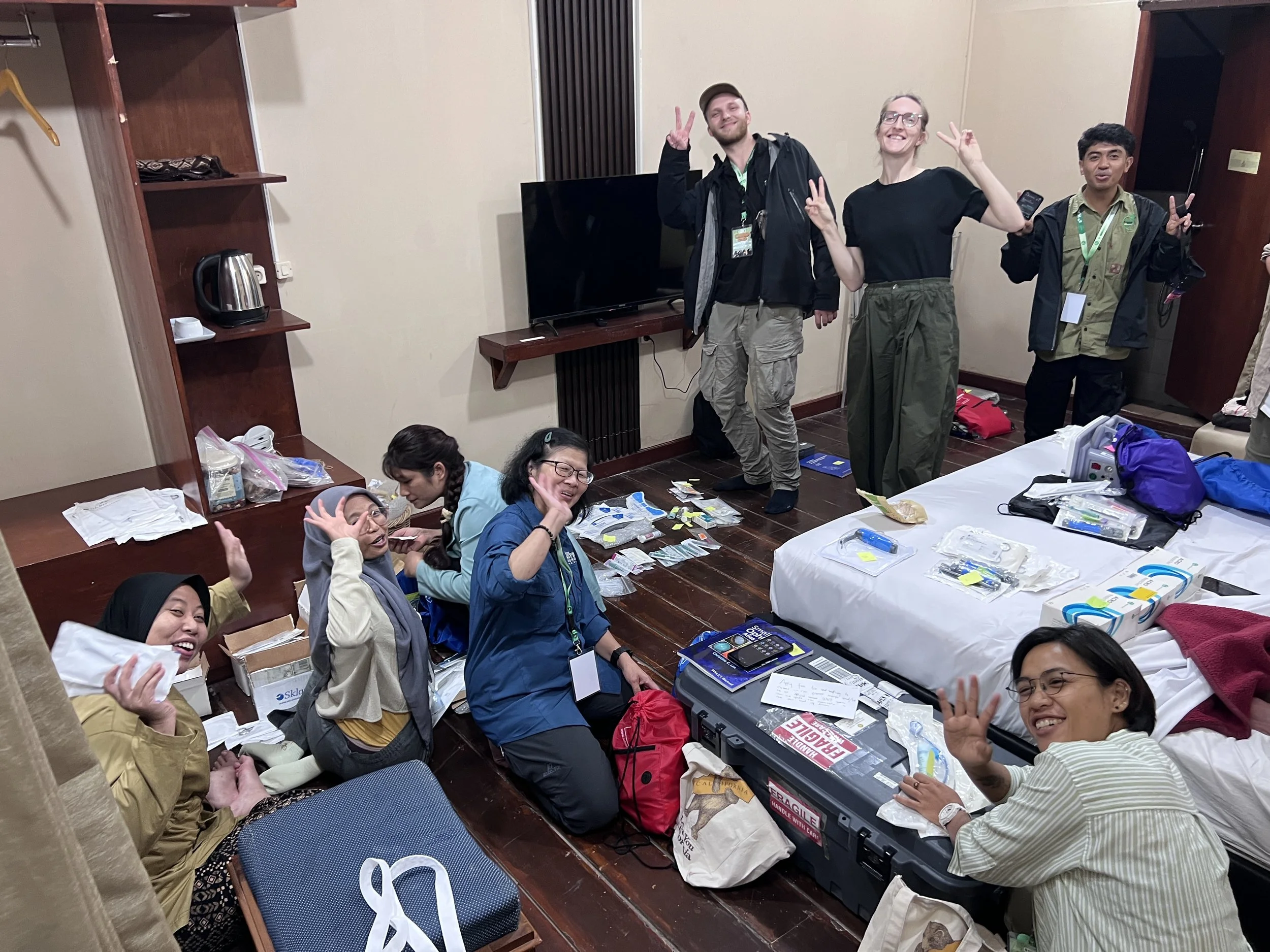
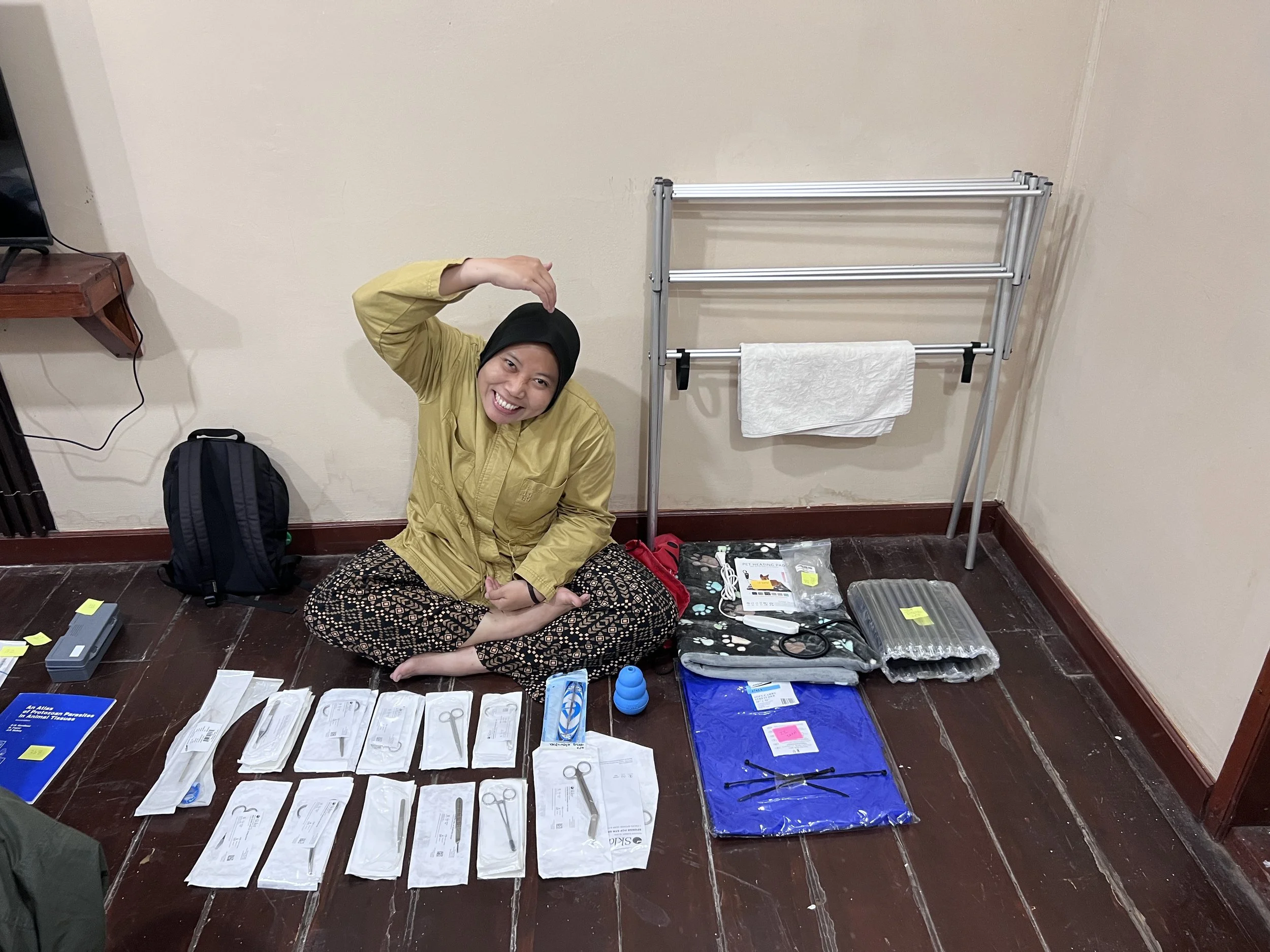
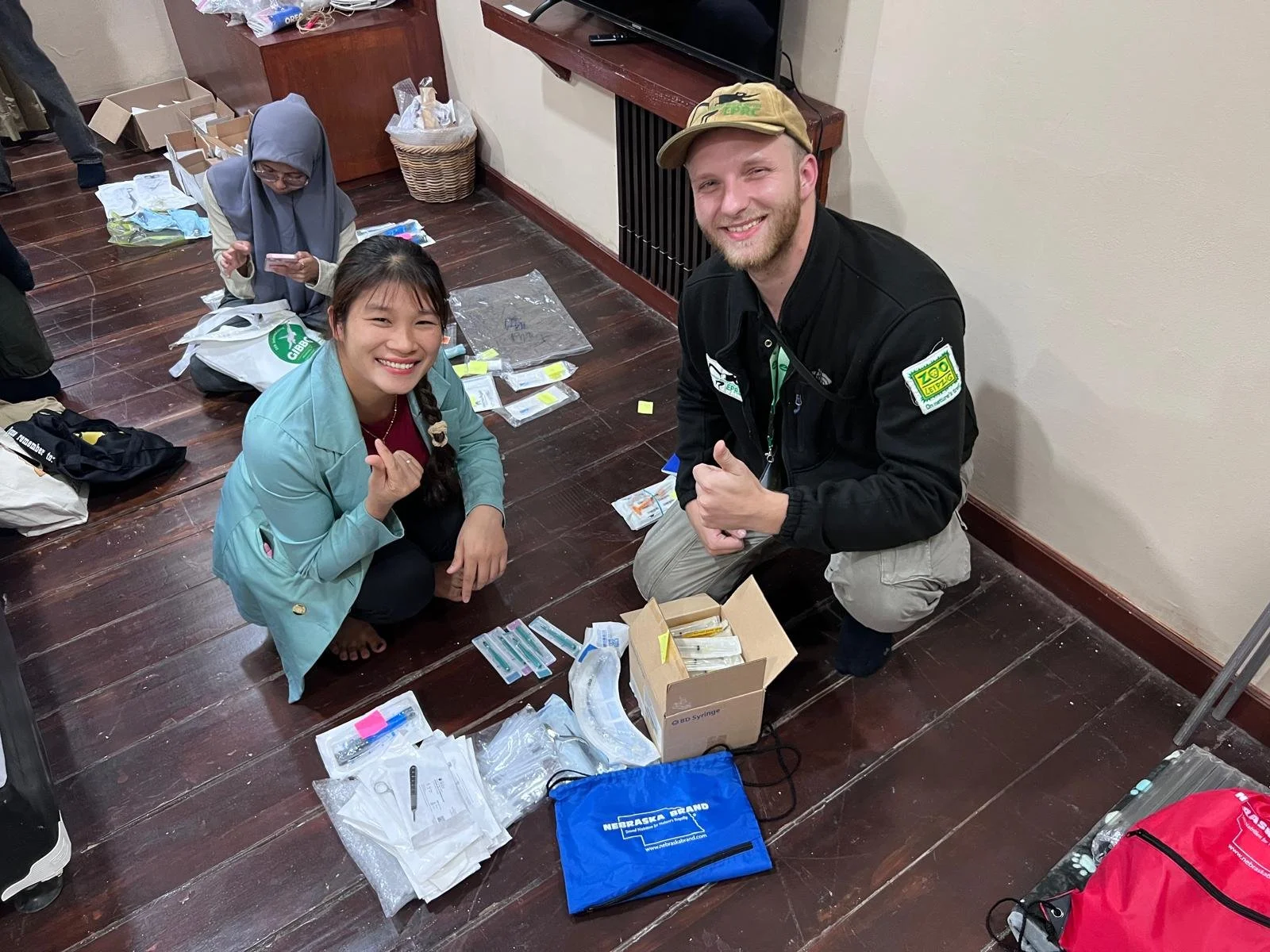
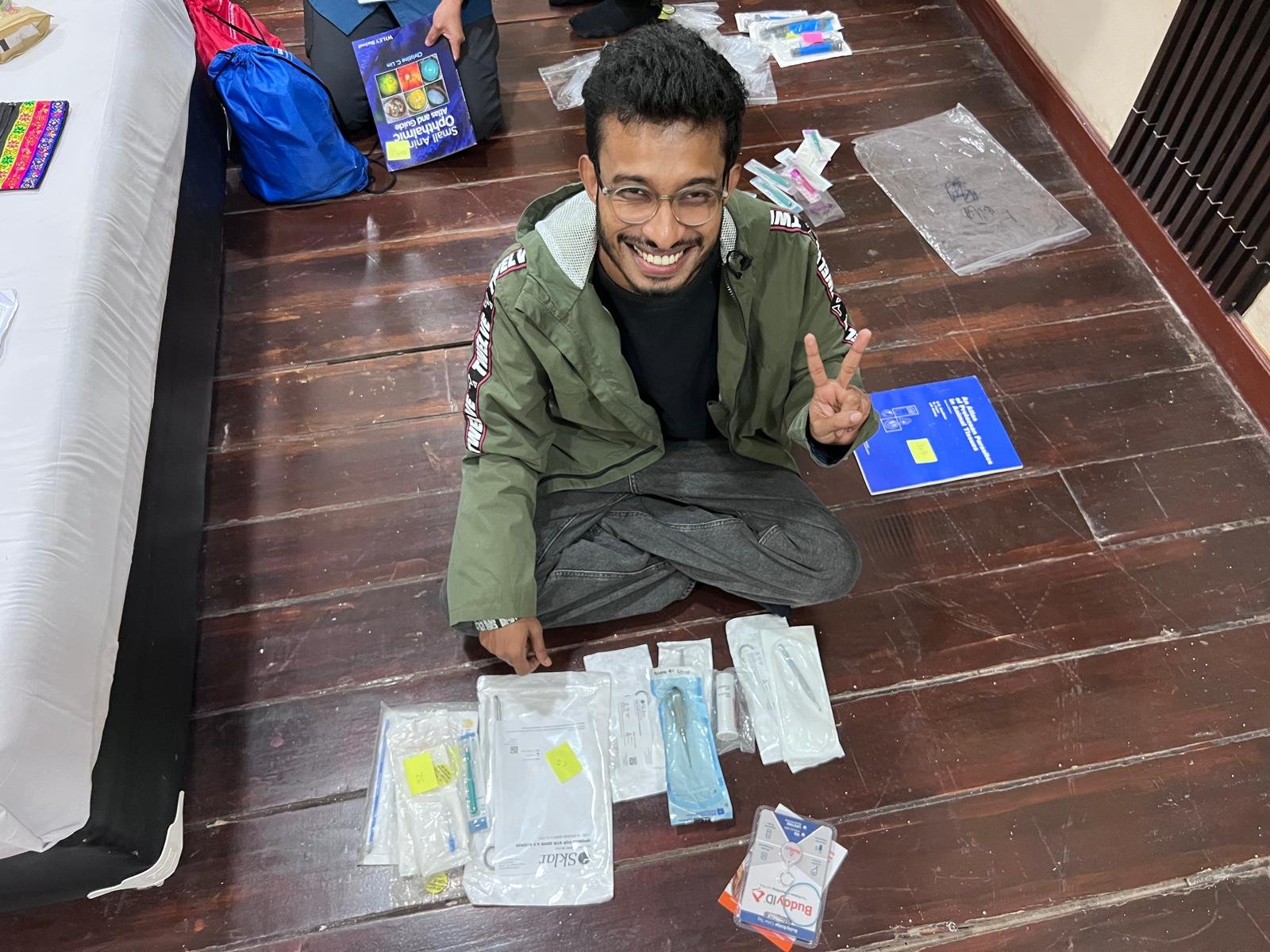
Another of GHI’s objectives during this conference was to distribute additional veterinary supplies — donated by Project Animal Aid and supported by the Arcus Foundation — to much-deserving gibbon rescue and rehabilitation centers. We brought crateloads of donations – including tools used in gibbon husbandry and behavioral enrichment, anesthesia, anesthetic monitoring, surgeries, dentistry, health and disease screening — all of which helps vets on the ground to deliver the highest possible quality of care to their gibbon patients. In total, GHI distributed veterinary and husbandry supplies to 16 gibbon rescue and rehabilitation centers in Borneo, Sumatra, Java, Bangladesh, Cambodia, India, Laos, Malaysia, and Vietnam. These donations help to bridge resource gaps for low-resource settings like wildlife rehabilitation clinics.
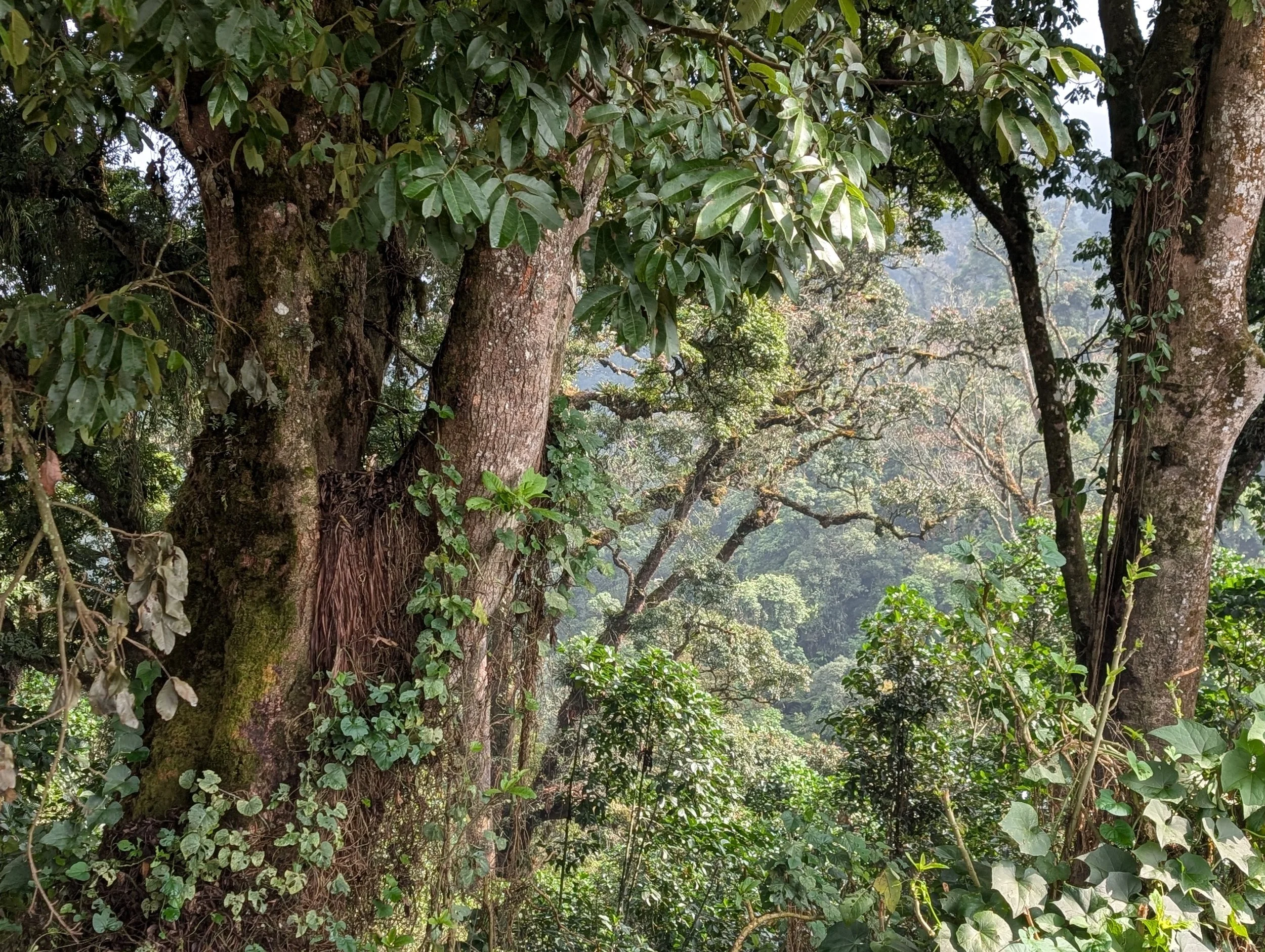
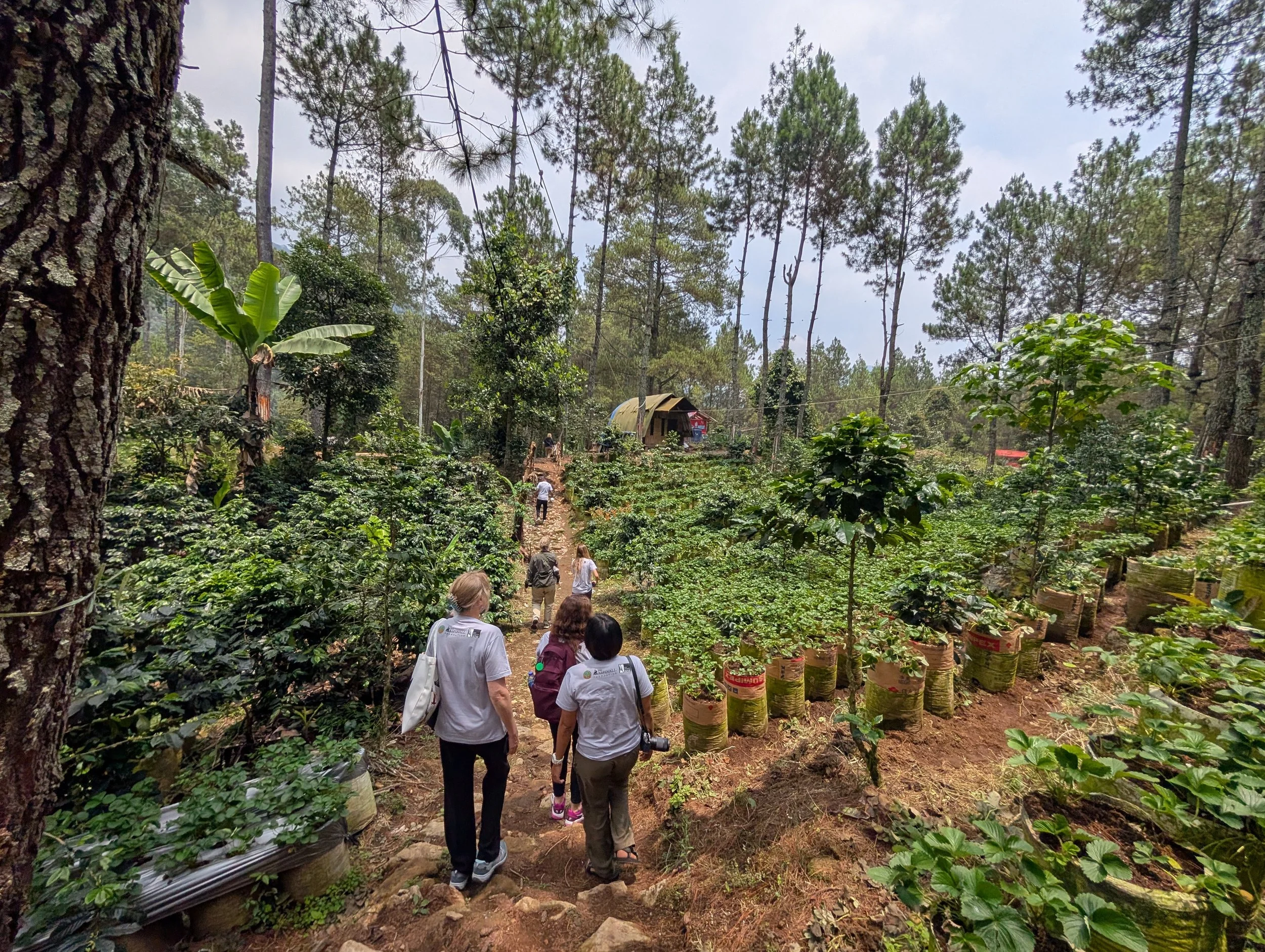
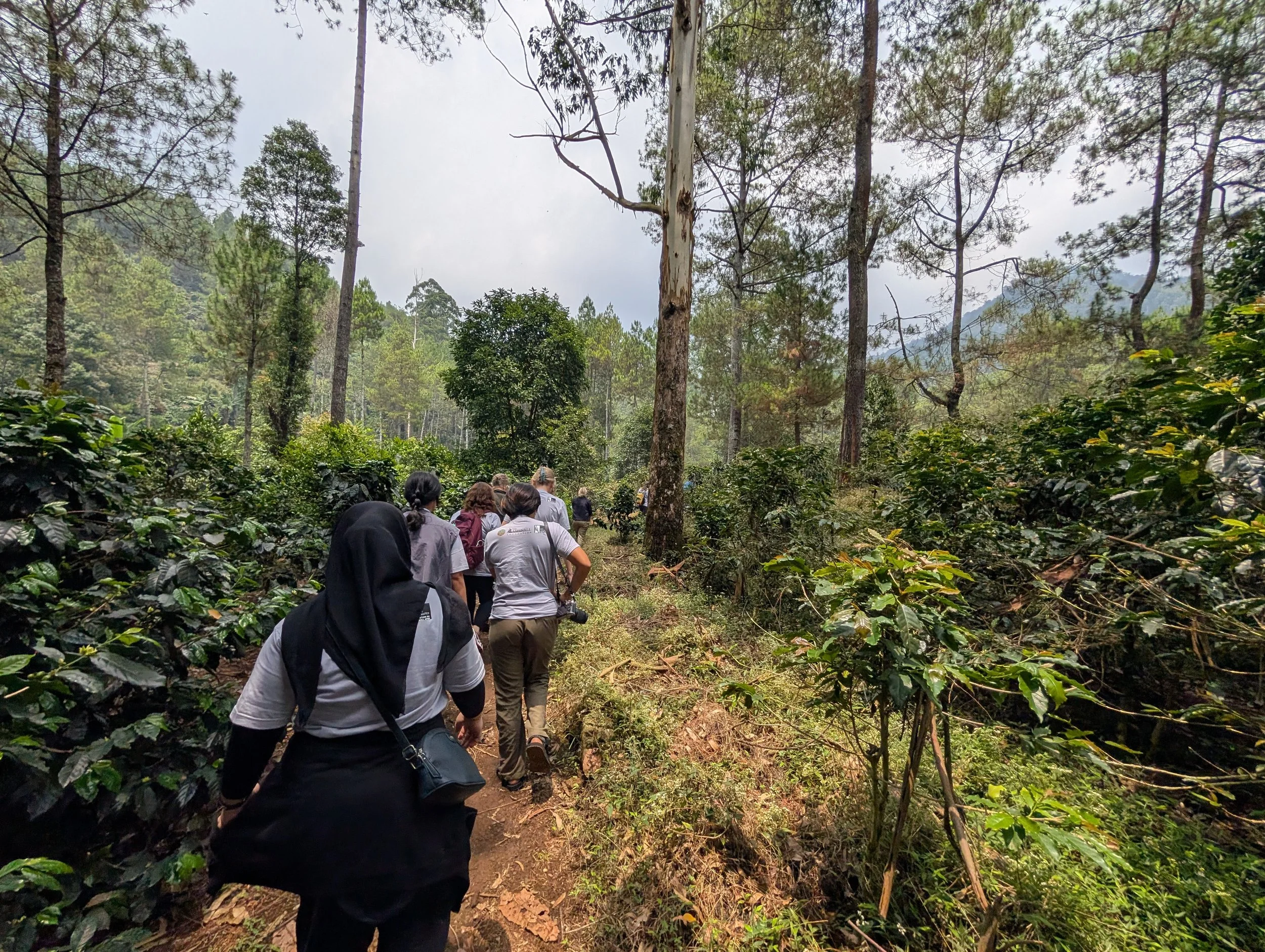
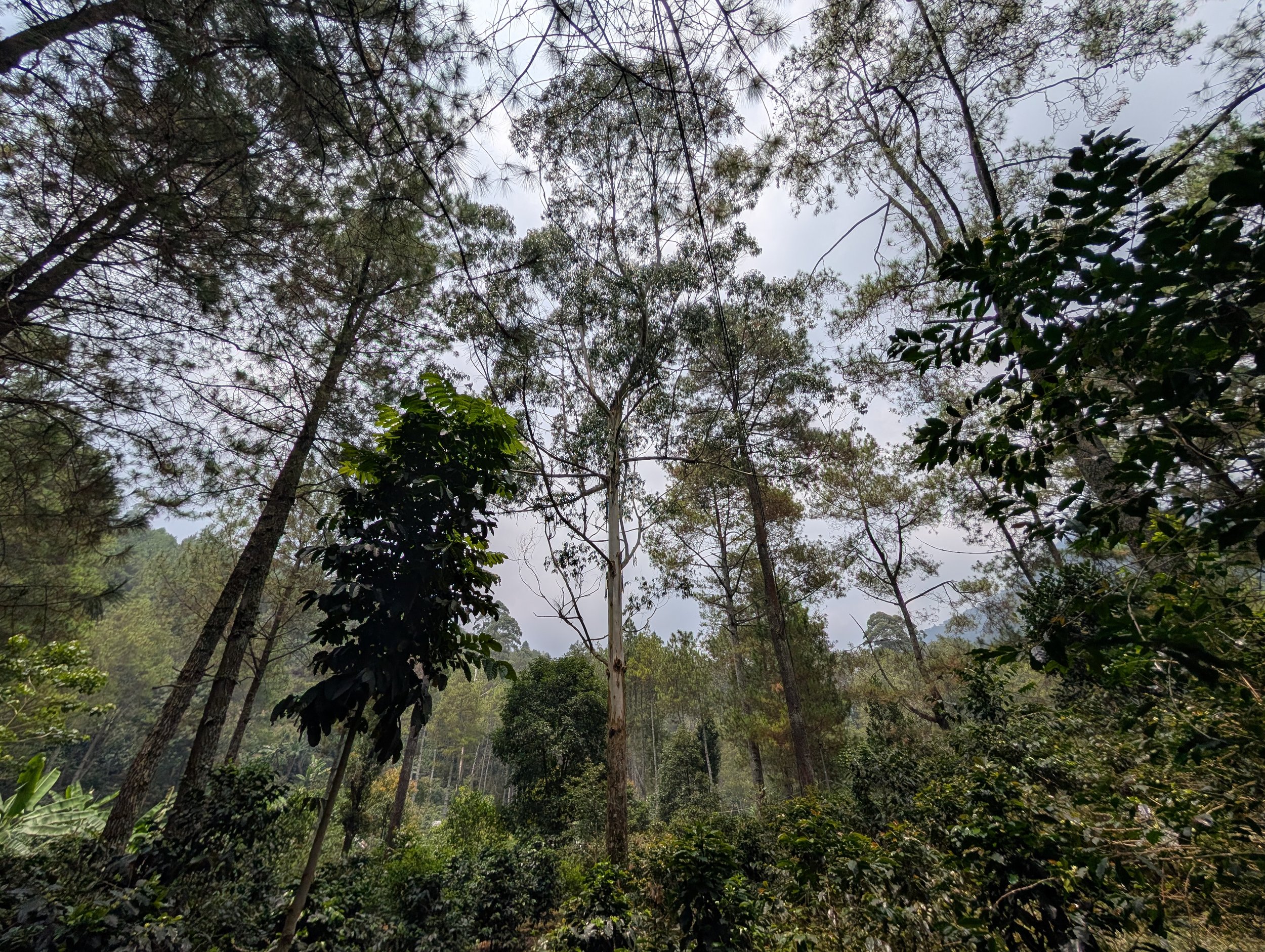
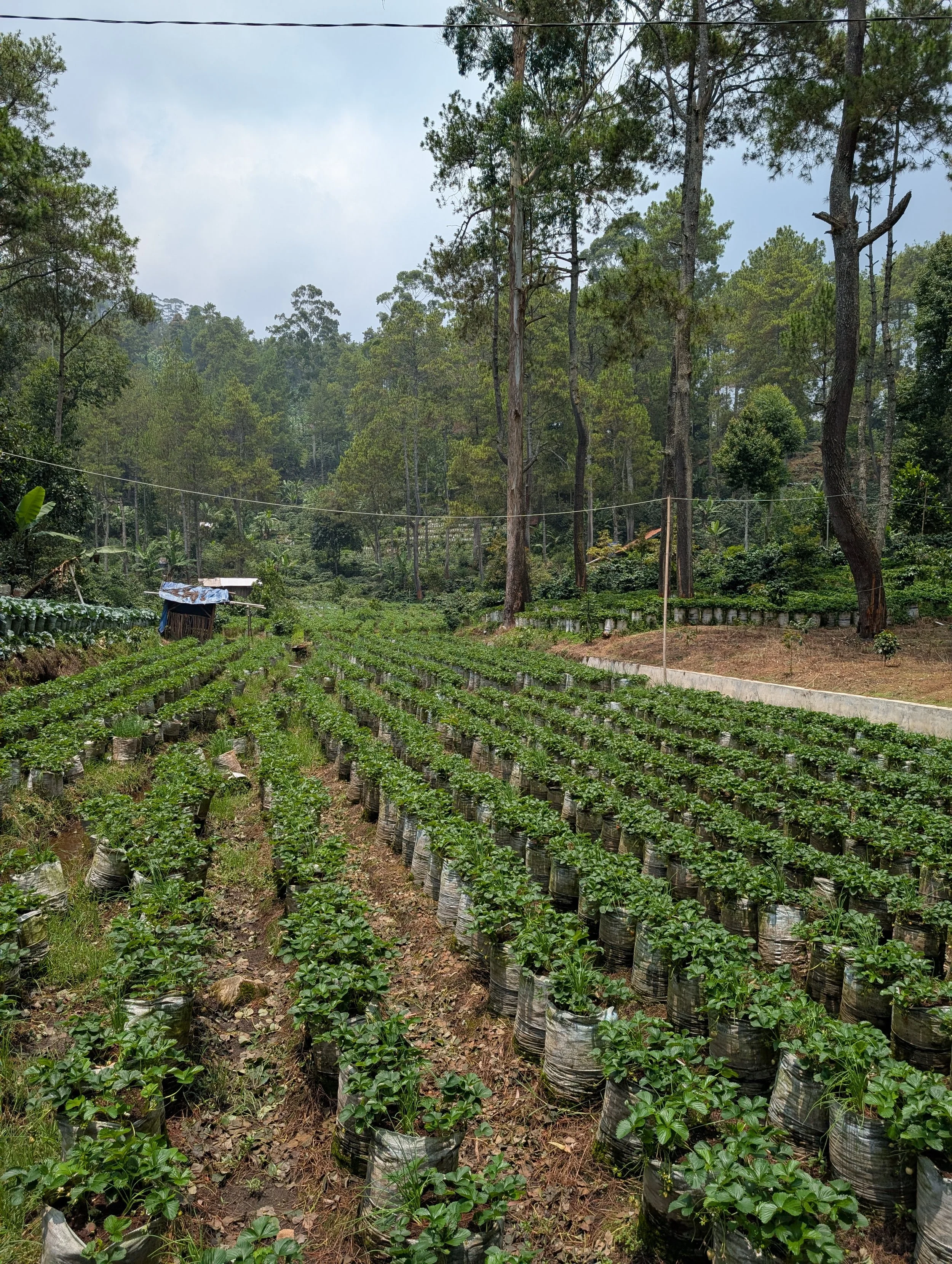
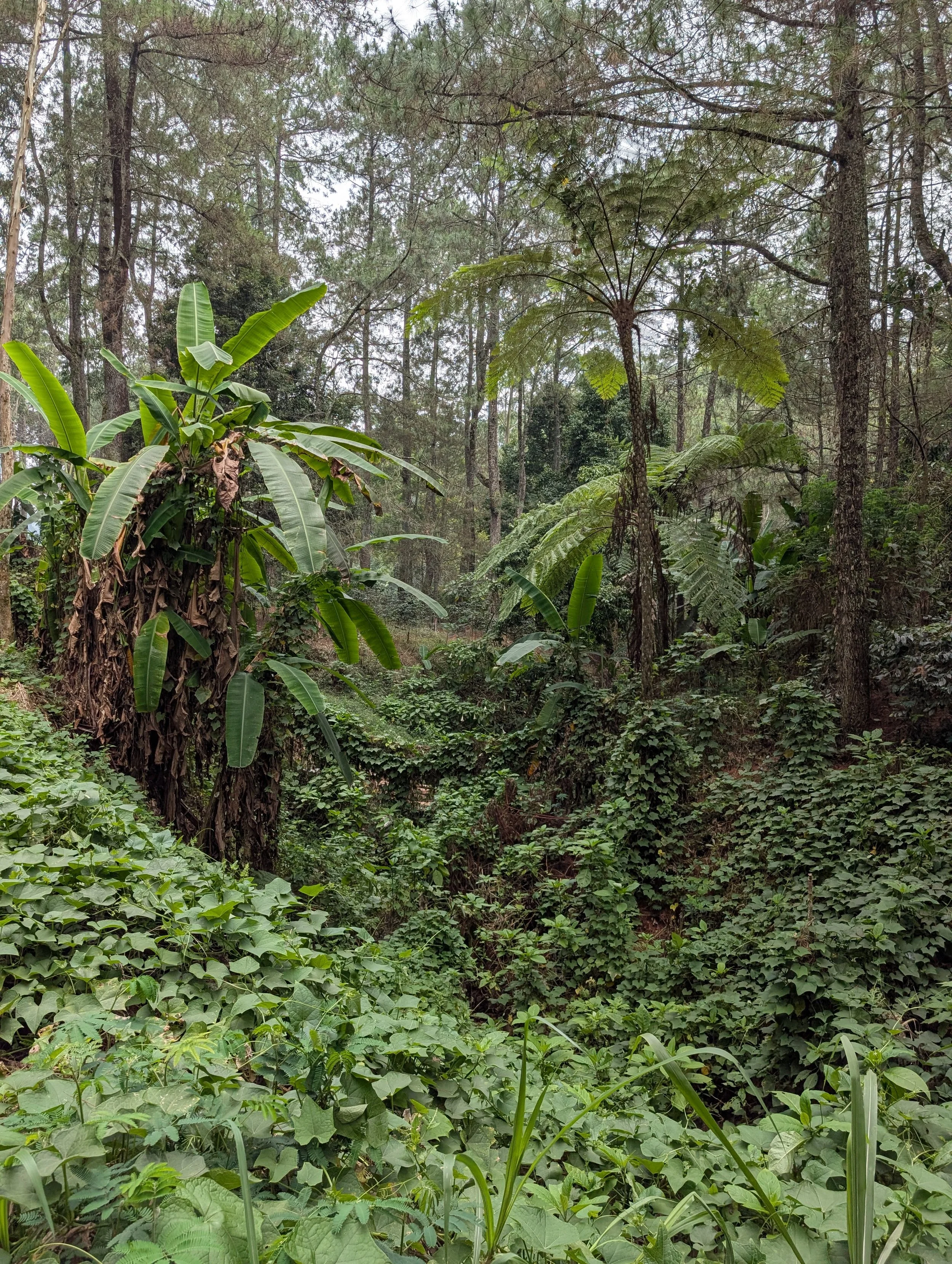
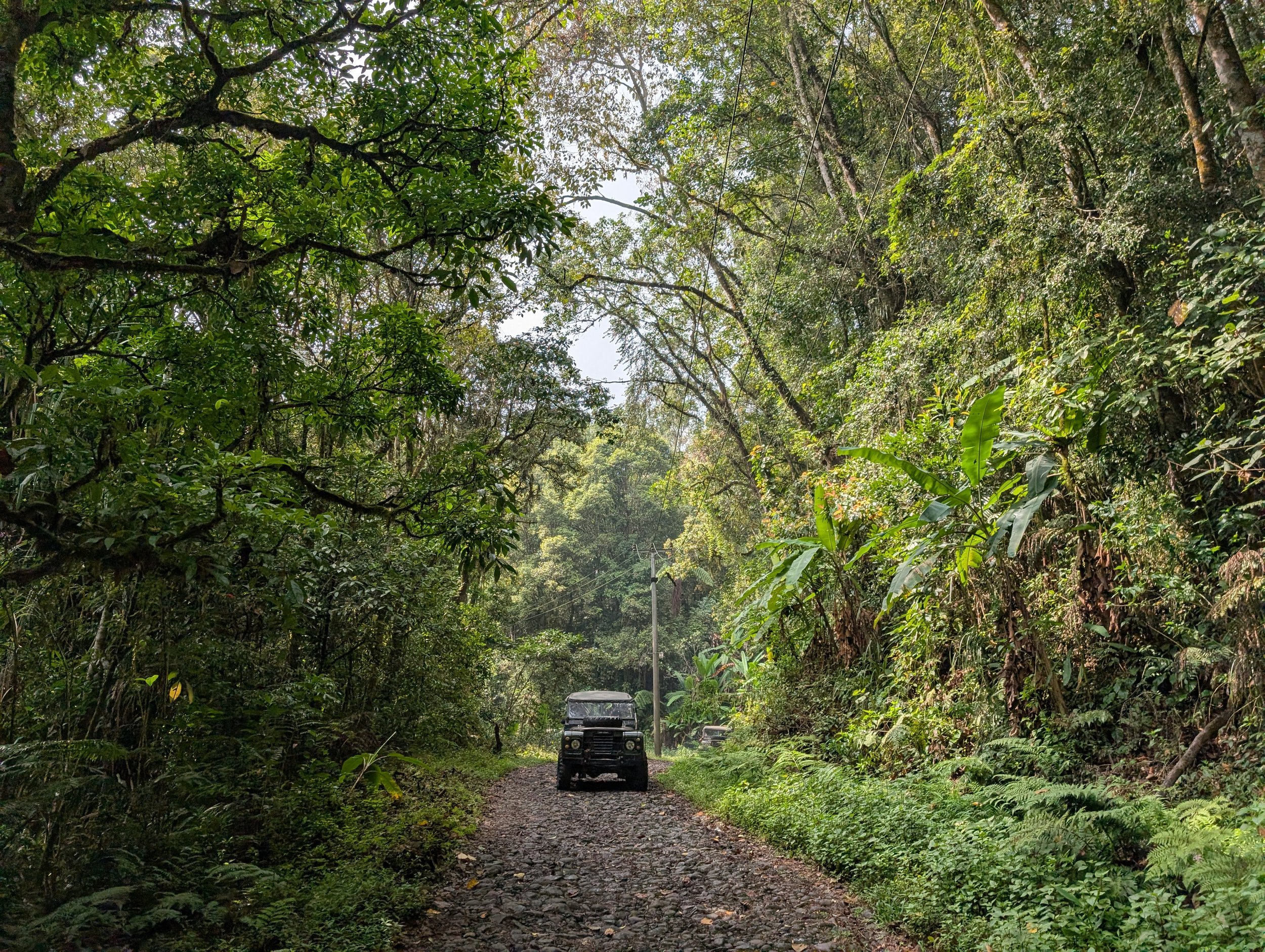
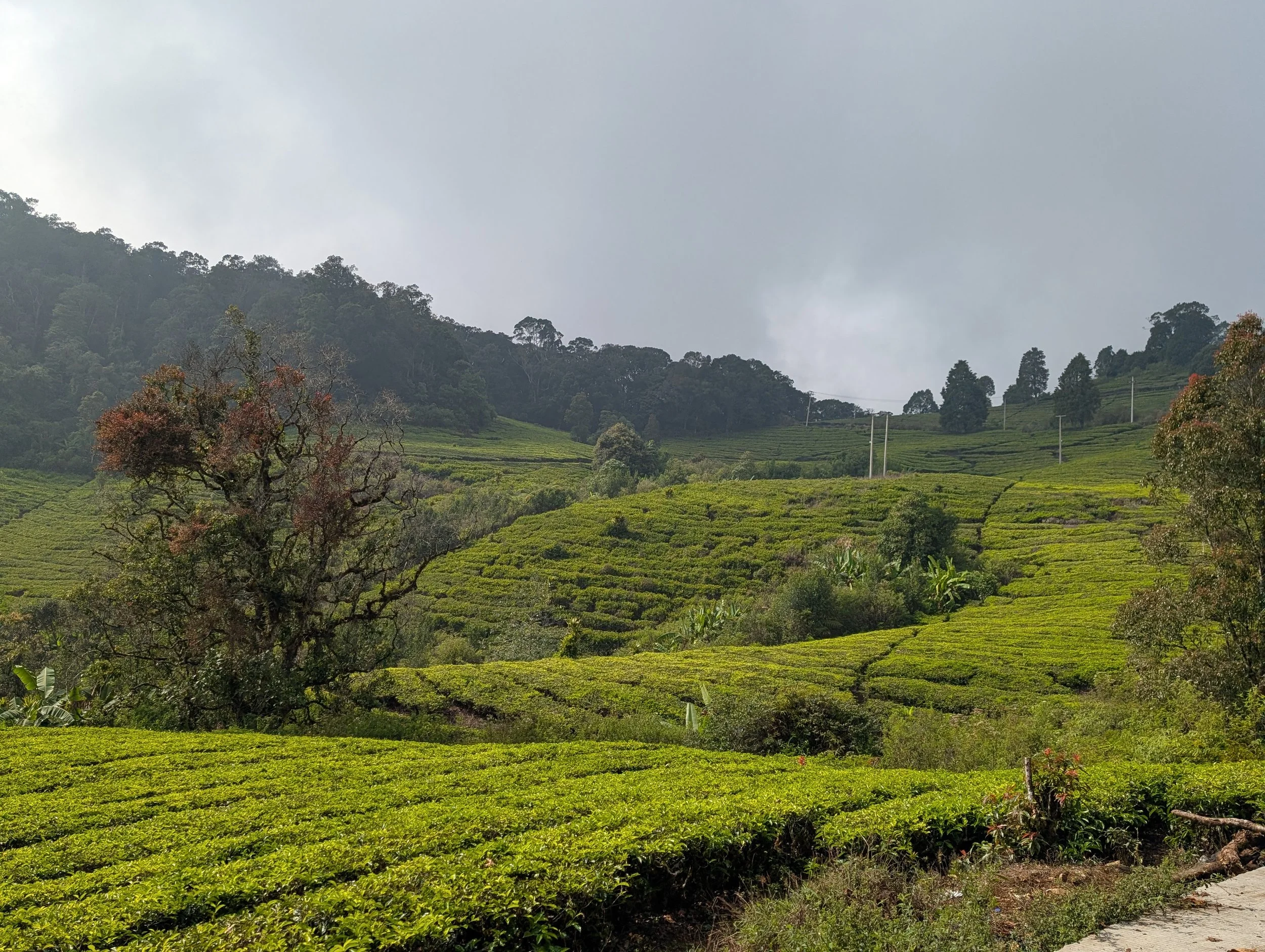
And finally, we got to spend just a little time outdoors! Included in conference activities was a tour of the Javan Primate Rehabilitation Centre (JPRC) facilities — including their quarantine setup, clinic, food prep area, and rehabilitation enclosures — which remain a model for other rehabilitation centers. We were also fortunate to tour their pre-release habituation enclosures, and see the base station from which they conduct releases and post-release monitoring. During our journeys there — a lot by vehicle, a bit on foot — we viewed a glimpse of the Bandung countryside. Outside of the densely inhabited areas, much of the land is planted: with strawberries, with cabbage, with coffee, with tea. A beautiful sight, to be sure, but also a reminder of how much gibbon forest homes have had to give way to human activity.
And of course, indispensible to the mission of gibbon conservation are the incredibly passionate, knowledgeable, and dedicated people working on the front lines to save the small apes. We had an amazing time getting to know everyone, reconnecting with old friends and making new ones. Their work on the ground is making the most difference, and GHI left the conference with a renewed sense of purpose to do whatever we can to support these local practitioners in their work to protect endangered gibbons!