What Knowledge-sharing Looks Like in Practice
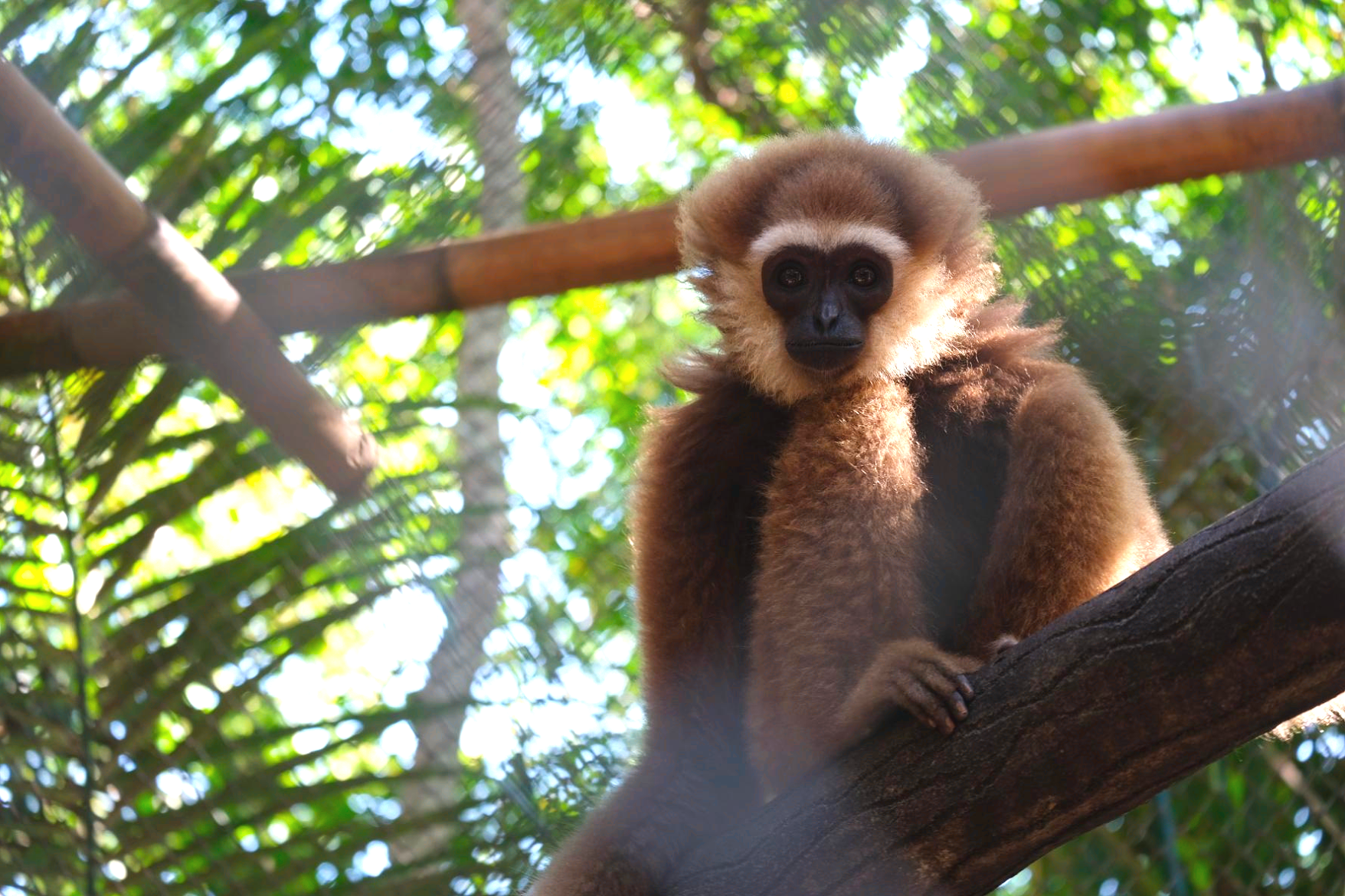
A Bornean white-bearded gibbon (Hylobates albibarbis), one of Tasikoki’s many patients. Image courtesy of: Tasikoki Wildlife Rescue Centre.
In addition to supporting experiential training for local gibbon veterinarians, GHI also offers opportunities for higher-level, facility-wide assistance through site visits. Site visits can be requested by any gibbon rescue and rehabilitation center within our network, and can be used to address a number of different asks, including: responding to an outbreak or other mass illness event; identifying center-specific needs and resource gaps; evaluating quarantine, biosecurity, and disease screening protocols; implementing husbandry and management updates; etc. Ultimately, our goal is to bring every gibbon rescue and rehab center as close as possible to IUCN’s Best Practice Guidelines for Gibbon Rehabilitation.
In late August, GHI’s Regional Coordinator Drh. Janipa Saptayanti completed just such a site visit to Tasikoki Wildlife Rescue Centre, one of Masarang Foundation’s sites located in North Sulawesi, Indonesia. The visit was conducted in close collaboration with the Tasikoki veterinary team and the veterinarian from the North Sulawesi Natural Resources Conservation Agency (BKSDA Sulawesi Utara).
Tasikoki cares for a wide variety of wildlife species, including sun bears, crocodiles, cuscus, and primates like long-tailed macaques and gibbons. During the visit, the veterinary team worked together to conduct health assessments of gibbons currently under Tasikoki’s care, combining specialized gibbon expertise with the knowledge and experience of the local veterinary and wildlife management teams.
Drh. Janipa shared her knowledge and practical approaches for the specialized care that gibbons require during rehabilitation. Her main objectives were to assess the general health condition of the center’s gibbon patients, support targeted health screening of selected individuals, and work alongside the Tasikoki and BKSDA veterinary teams to strengthen the approaches to gibbon health assessment, disease screening, and long-term rehabilitation.
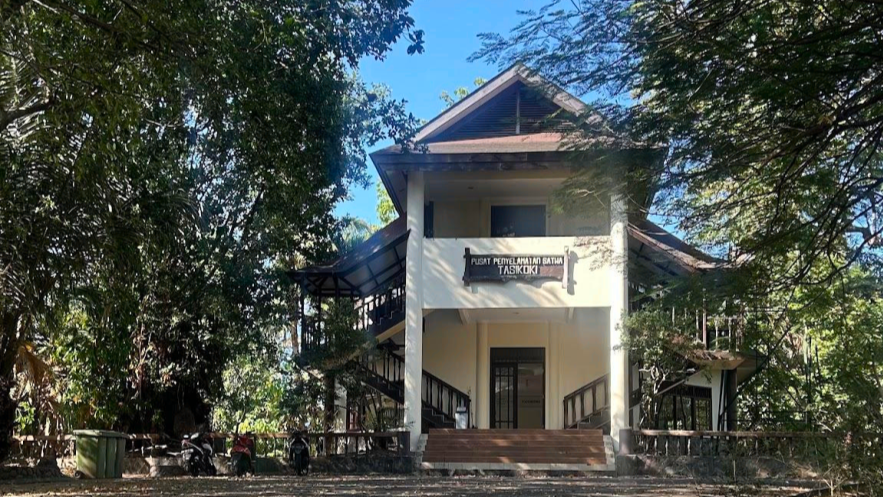
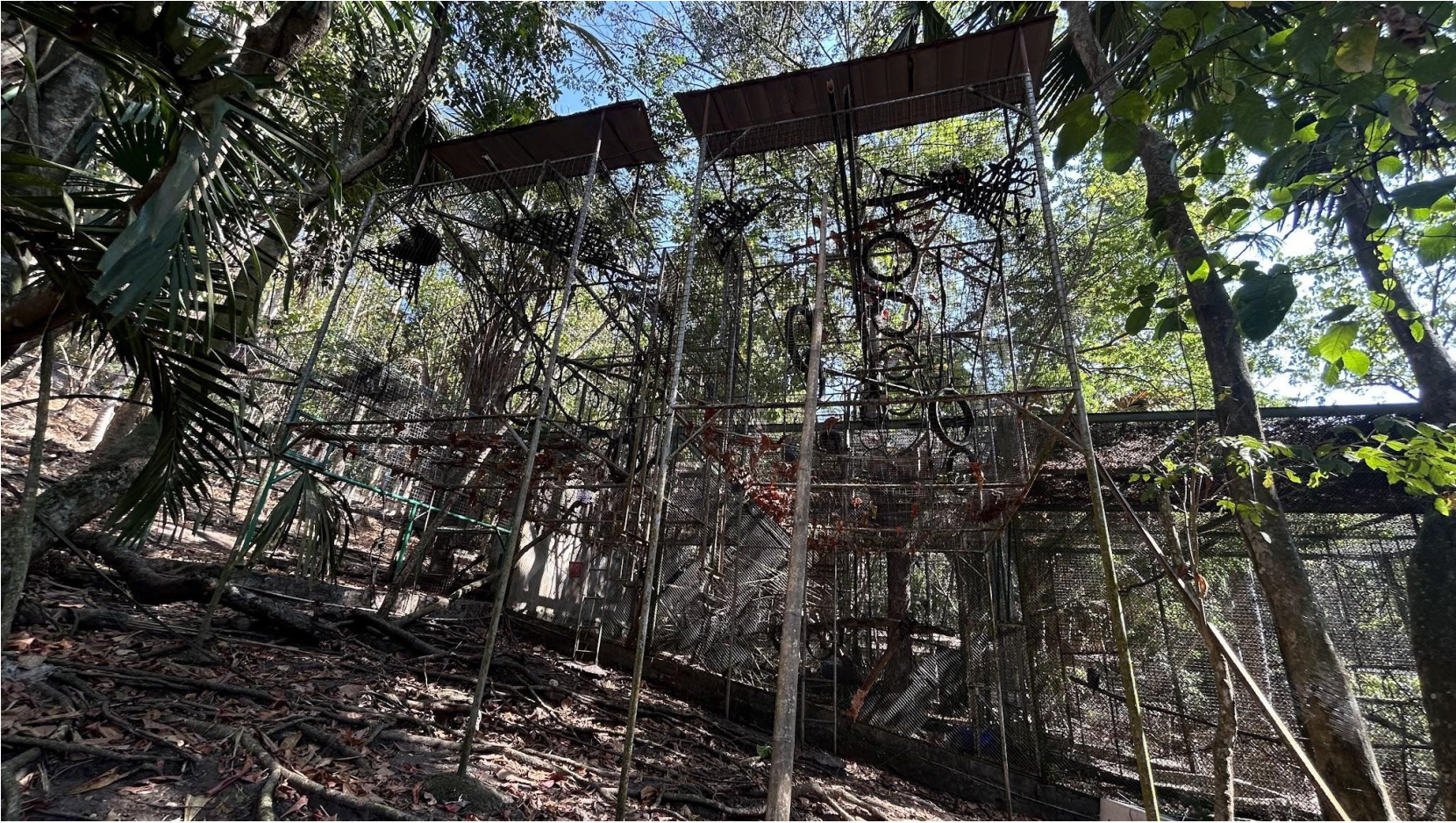
Left: Tasikoki Wildlife Rescue and Education Centre. Right: Elevated enclosures, which are important for gibbon rehabilitation. Because gibbons are obligately arboreal, elevating enclosures can help prevent parasitic infections! Images courtesy of: Tasikoki Wildlife and Education Centre.
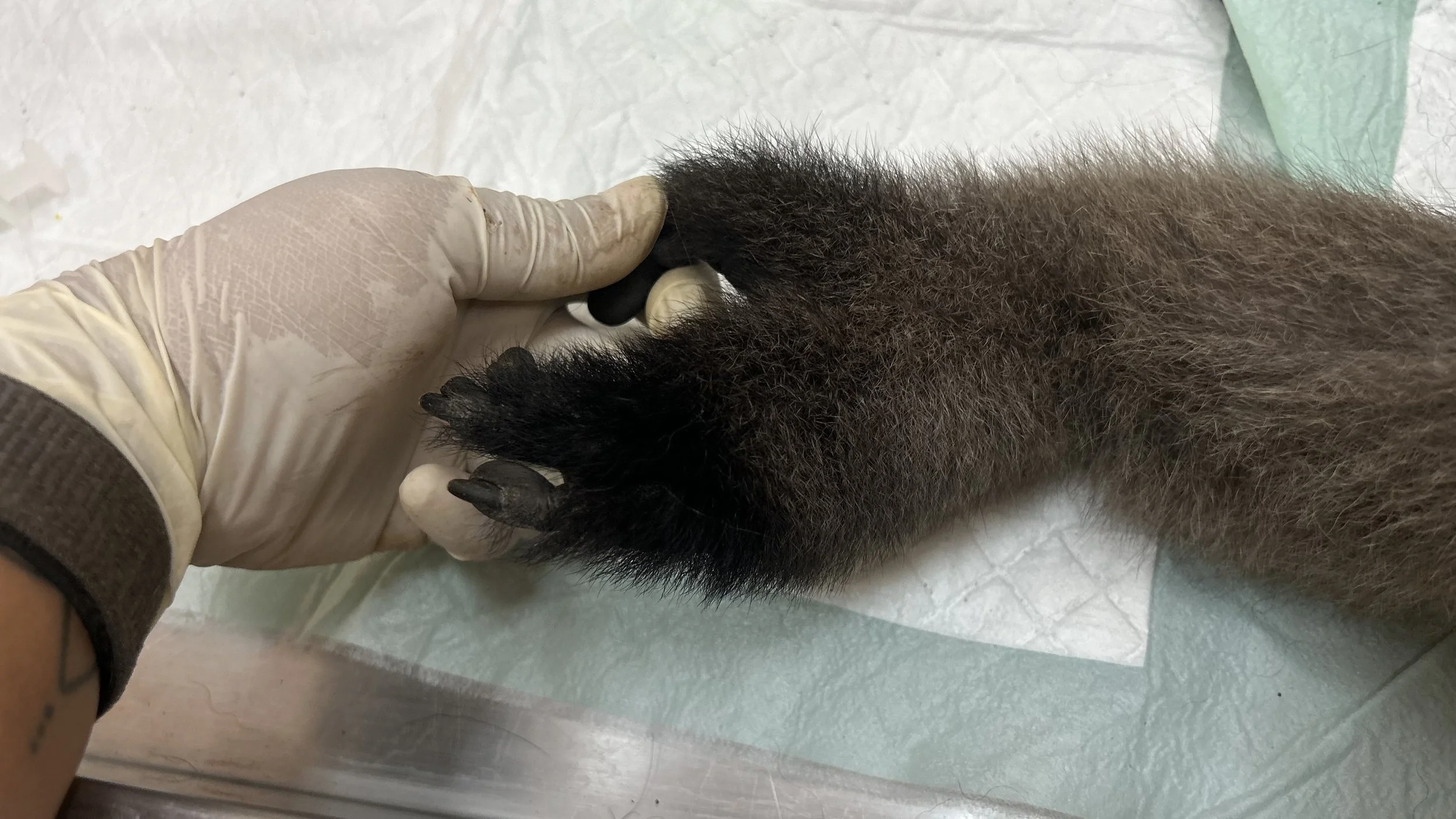
The gibbon health screening process began with chemical immobilization, followed by thorough physical exams conducted collaboratively by Drh. Janipa, the Tasikoki veterinary team, and the BKSDA veterinarian. Working together, the veterinary team assessed each gibbon’s overall physical condition, including body condition, hydration status, oral and dental health, and other clinically relevant parameters. Gibbons that are confiscated from the illegal pet and wildlife trade carry grim reminders of their time in human captivity: their teeth often show signs of severe wear due to improper diets or from chewing on cage bars and barriers. These gibbons may require advanced dental care like root canal procedures to treat tooth fractures, prevent dental infections, and maintain comfort when foraging. Then, once the immediate medical concerns are addressed, gibbon rehabilitation centers can provide more nutritionally adequate and suitable diets, safer housing, a fulfilling social environment, and enclosure furniture and enrichment — all considerations that serve to encourage natural behaviors and help to curb inappropriate chewing and dental wear.
Left: Drh. Janipa works collaboratively with Tasikoki veterinary staff and the BKSDA veterinarian during gibbon immobilization, physical exam, and disease screening. Right: Drh. Janipa performs a dental and oral exam in an immobilized Müller's gibbon (Hylobates muelleri). Images courtesy of: Tasikoki Wildlife and Education Centre.
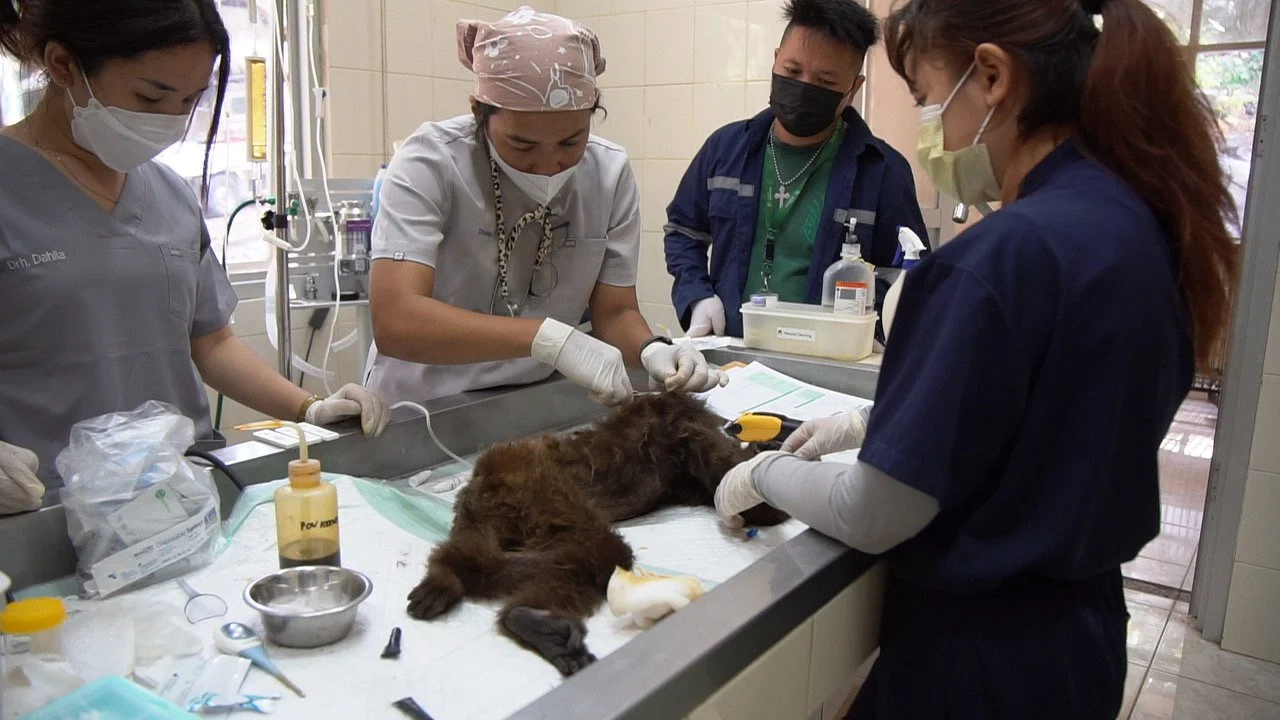
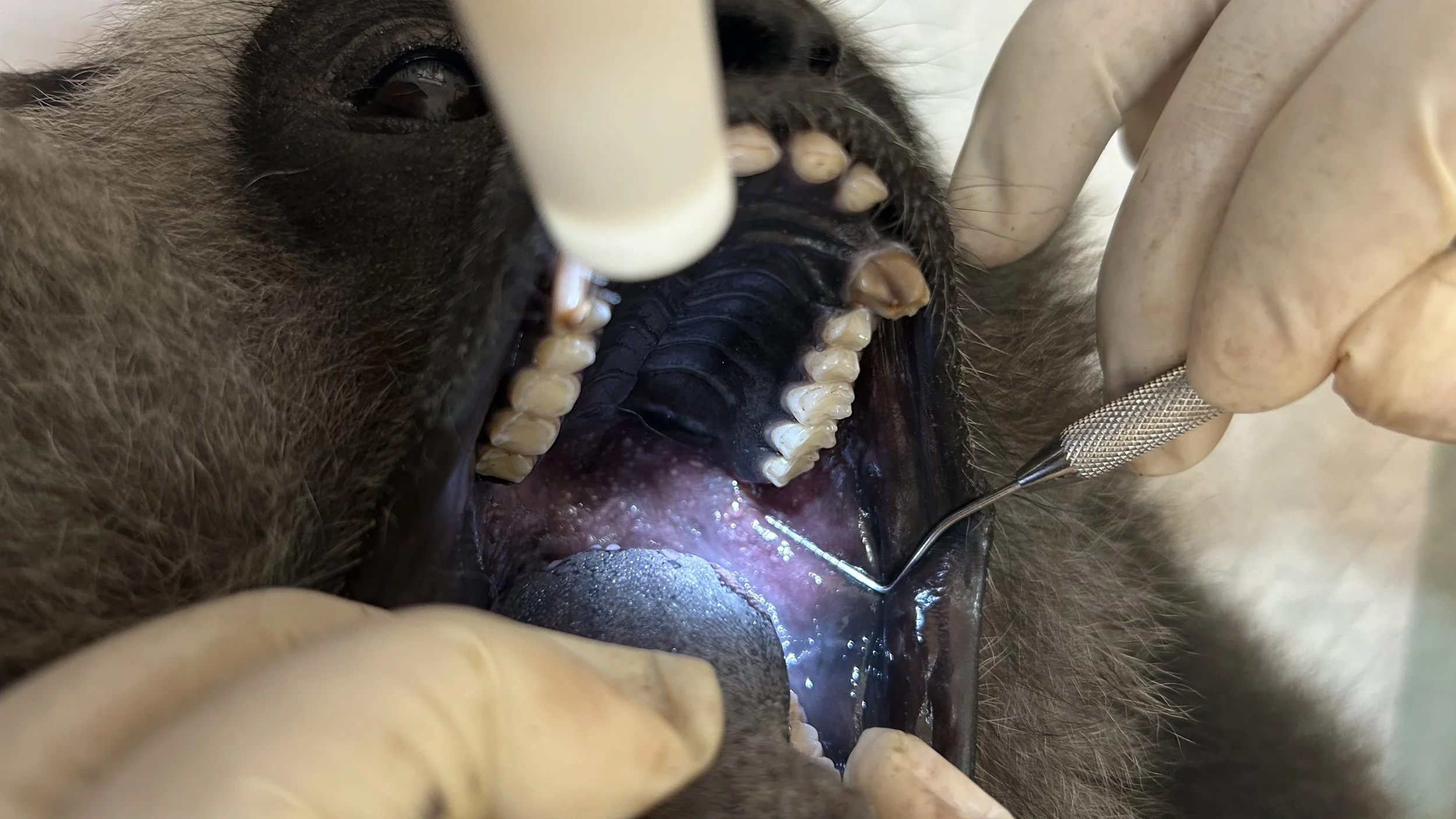
Another reason why oral exams are so important is to screen for signs of infectious diseases. Gibbons exposed to humans through wildlife trafficking are often exposed to our pathogens, too. For example, human herpesviruses can manifest as oral ulcers, blisters, and other lesions in nonhuman primates. It is important to look for these lesions, as gibbons infected with human diseases may not be releasable in order to prevent further spread to wild conspecifics. Beyond the dental examinations, the veterinary team also collected biological samples for routine bloodwork and selected infectious disease testing. The examinations and sampling provided an opportunity to assess the health status of individual gibbons while also strengthening collaboration between GHI, Tasikoki, and BKSDA.
The Tasikoki veterinary team contributed their knowledge of the animals’ day-to-day health, behavior, husbandry, and medical history, while the BKSDA veterinarian provided additional veterinary and wildlife management oversight. Drh. Janipa contributed specialized gibbon health knowledge and practical guidance on clinical assessment, disease screening, and rehabilitation considerations.
Site visits like the one conducted at Tasikoki are invaluable for sharing gibbon expertise widely within the wildlife rehabilitation community. They are also key to establishing and maintaining connections within the field, giving gibbon rehabilitators long-term professional contacts with whom to consult on cases and management. Veterinarians working in wildlife rescue can often feel isolated without easy access to specialized resources or contacts to help on advanced cases. For wildlife centers that intake a wide range of species, specific gibbon expertise can be limited. Building professional relationships between local veterinarians, government wildlife authorities, and regional or international specialists helps create a stronger network of support for complex cases and long-term rehabilitation. Therefore, these GHI-supported site visits are a small part of building sustainability in the field of gibbon rescue and rehabilitation.